12 Types of Cockatiels


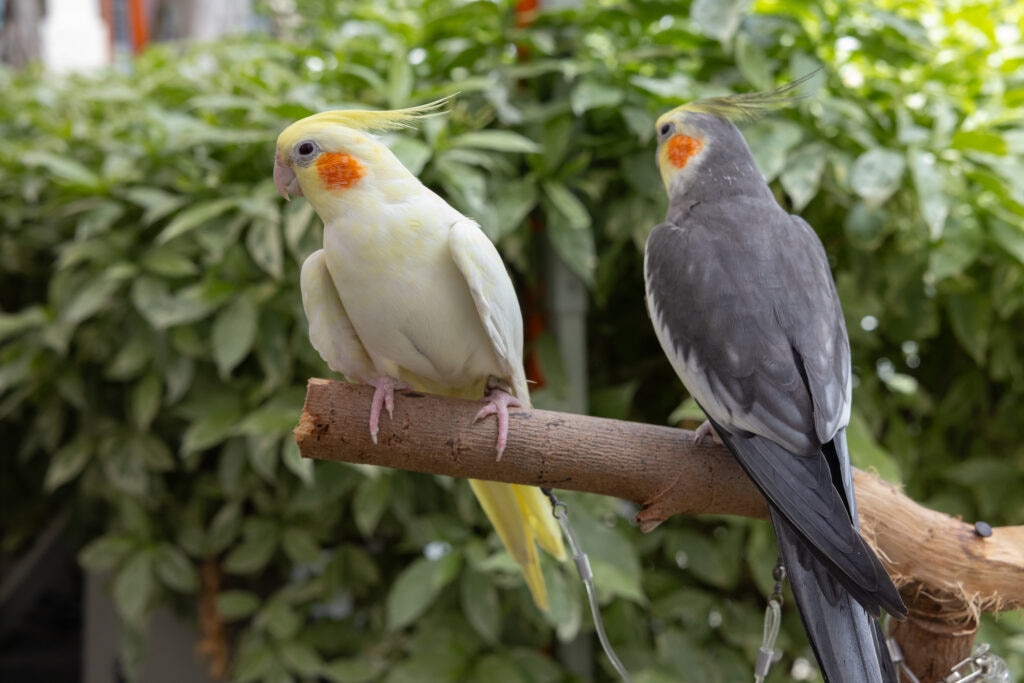
Photo by Ratchat/iStock/Getty Images Plus
Cockatiels may be small birds, but their color options could fill quite a wardrobe. From classic gray birds with sunny yellow faces to nearly all-white cockatiels, there are many different types of cockatiels.
Technically, though, these are not separate breeds. All companion cockatiels belong to the same species, Nymphicus hollandicus. What pet parents usually call different cockatiel types are actually color mutations—inherited genetic changes that affect the color or pattern of a bird’s feathers.
The American Cockatiel Society recognizes normal gray along with numerous mutations and combinations. Here are some of the most recognizable cockatiel colors you might encounter.
What Are the Different Types of Cockatiels?
Cockatiel color mutations can change dark pigments, yellow and orange pigments, or the way color is distributed across the feathers. Some mutations are sex-linked, meaning their inheritance is connected to the chromosomes that determine sex, while others are recessive or dominant.
Genetics can be complicated, but pet parents do not need to memorize a bird’s family tree. For everyday identification, appearance is the easiest place to start.
1. Normal Gray Cockatiel
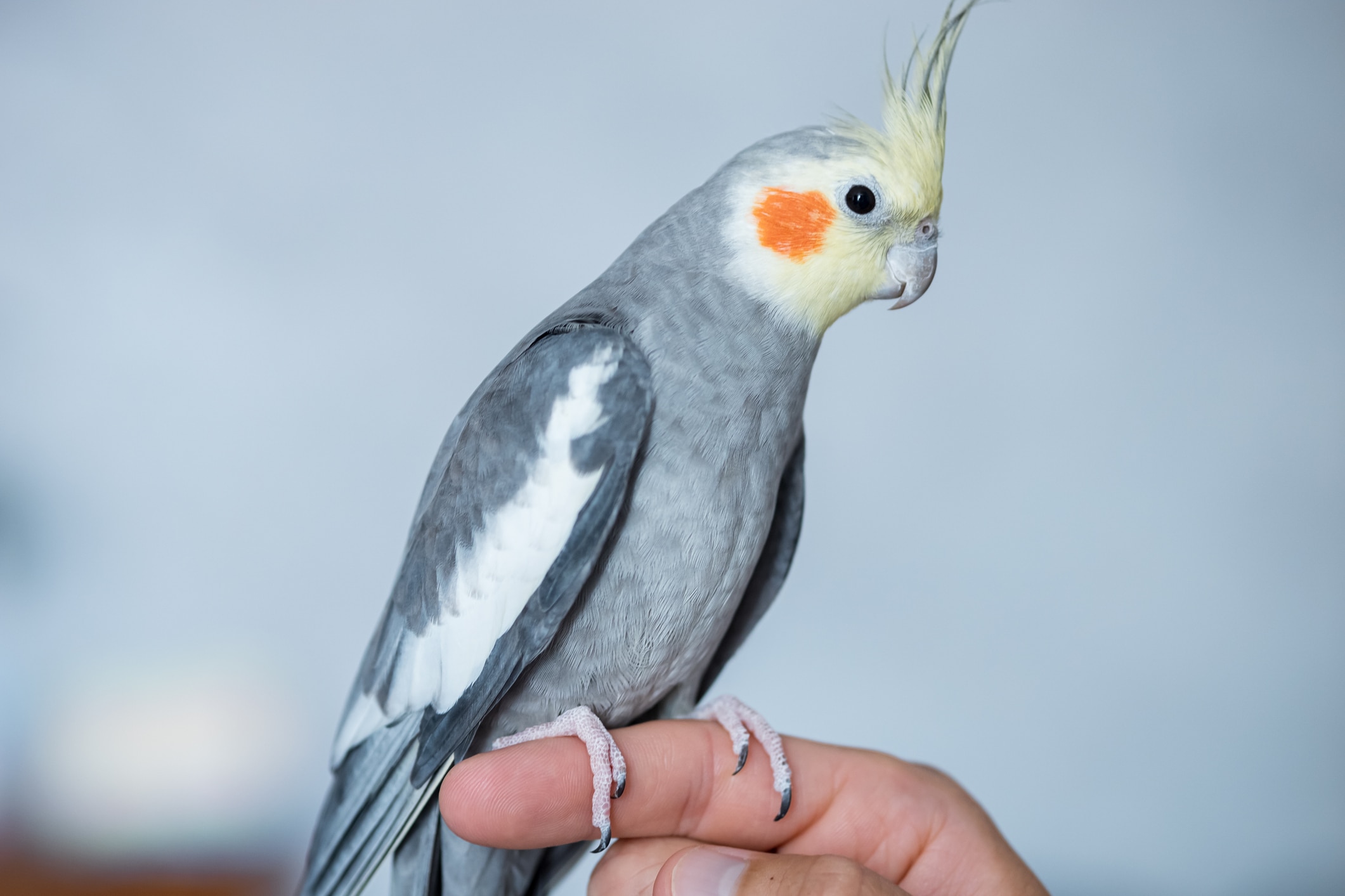
Photo by LENblR/iStock/Getty Images Plus
The normal gray cockatiel has the species’ classic coloration. These birds generally have predominantly gray bodies with white wing markings and the familiar yellow, orange, and gray coloring around the face.
Normal gray is considered the wild type rather than a color mutation. In other words, it represents the natural coloration from which the familiar captive-bred mutations differ.
2. Lutino Cockatiel
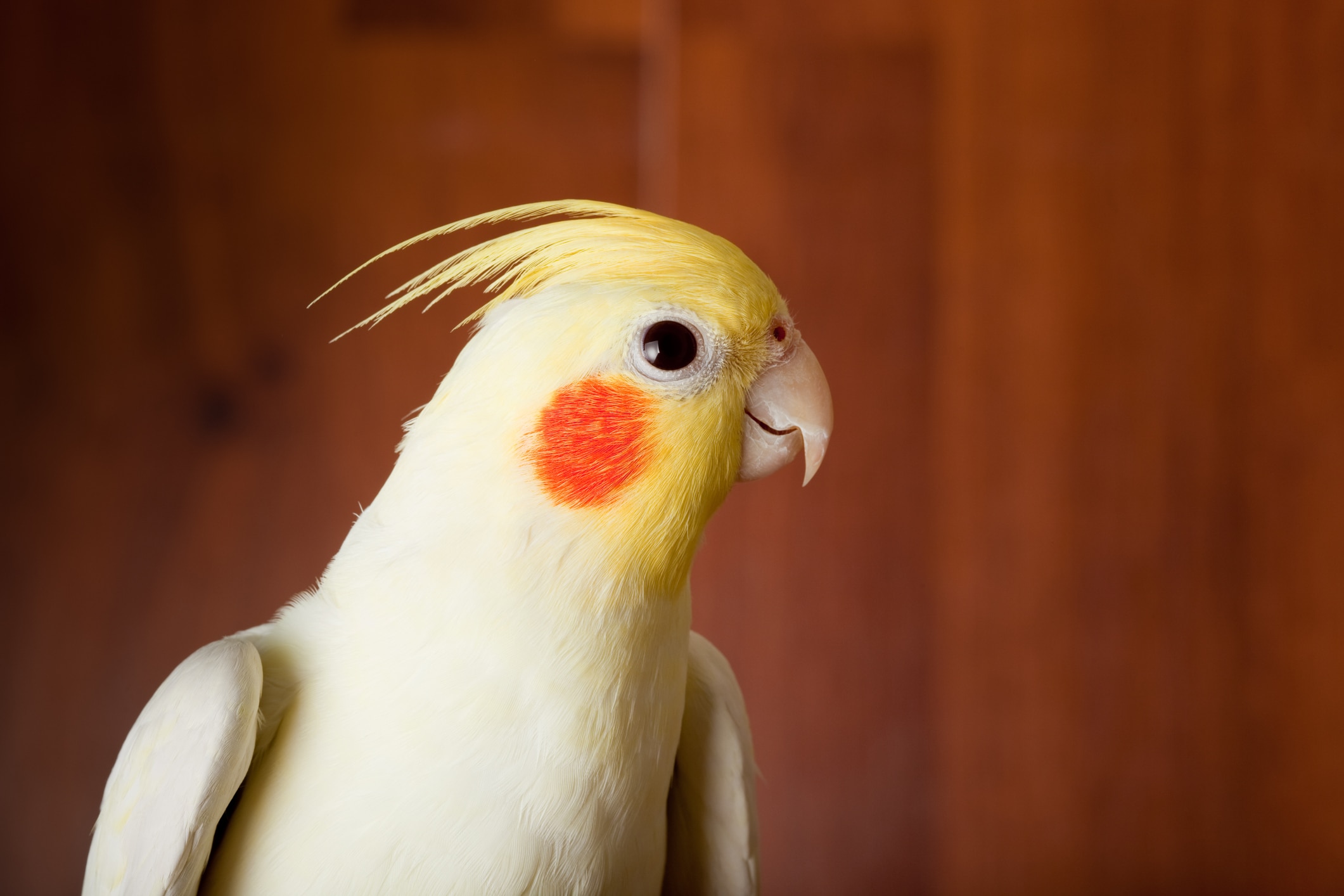
Photo by Ornitolog82/iStock/Getty Images Plus
A lutino cockatiel is usually pale yellow to white with a yellow crest, bright orange cheek patches, and reddish eyes.
Lutinos are sometimes mistakenly called albinos, but they are not. A lutino still has yellow and orange pigmentation, and the mutation is sex-linked.
3. Pied Cockatiel
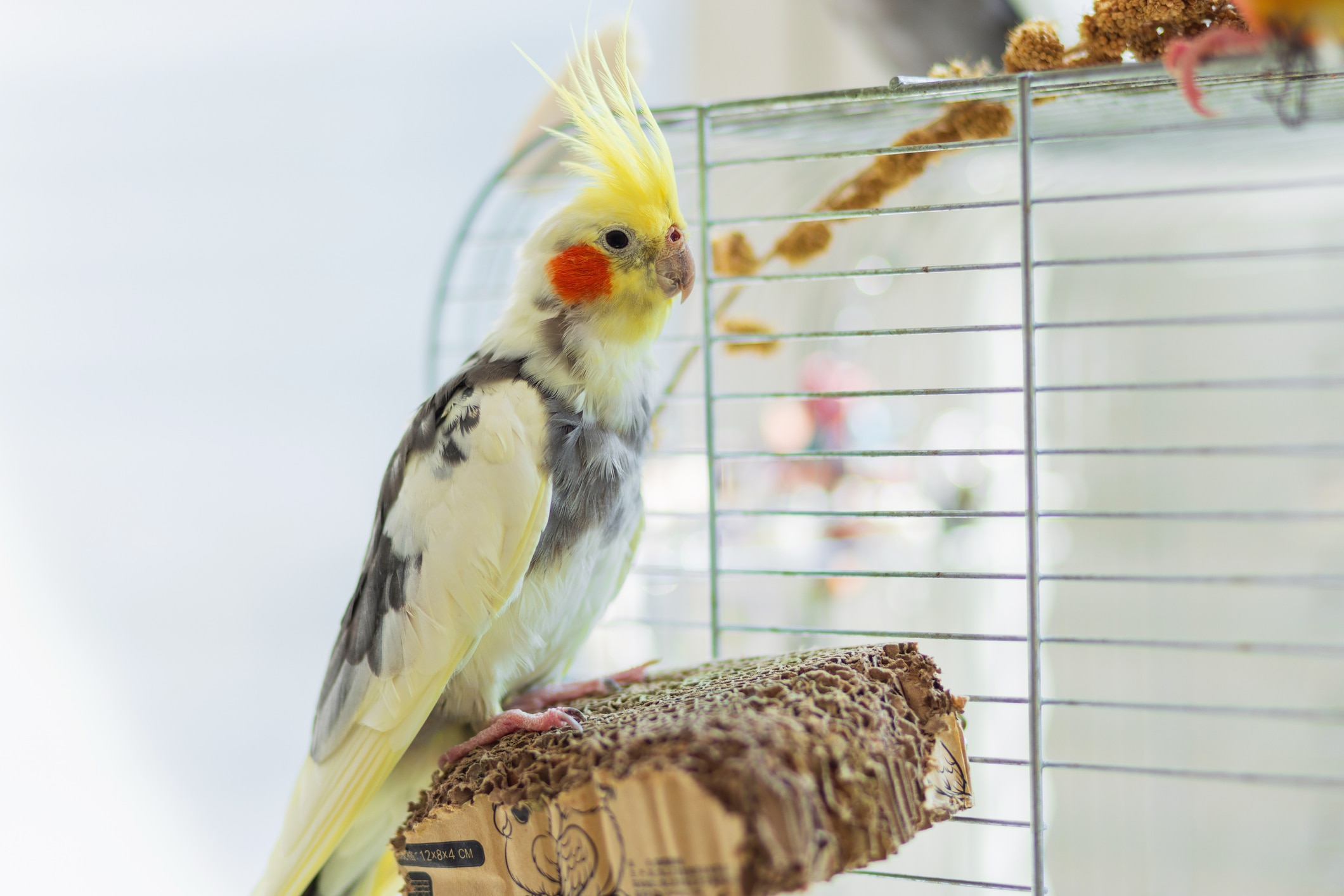
Photo by Alones Creative/iStock/Getty Images Plus
Pied cockatiels have irregular patches where the usual dark pigmentation is missing. The result can be a mix of gray, yellow, or white feathers arranged differently from bird to bird.
Some pied cockatiels have only small lighter patches, while others may have extensive areas without gray coloring. Pied is a recessive mutation.
4. Pearl Cockatiel
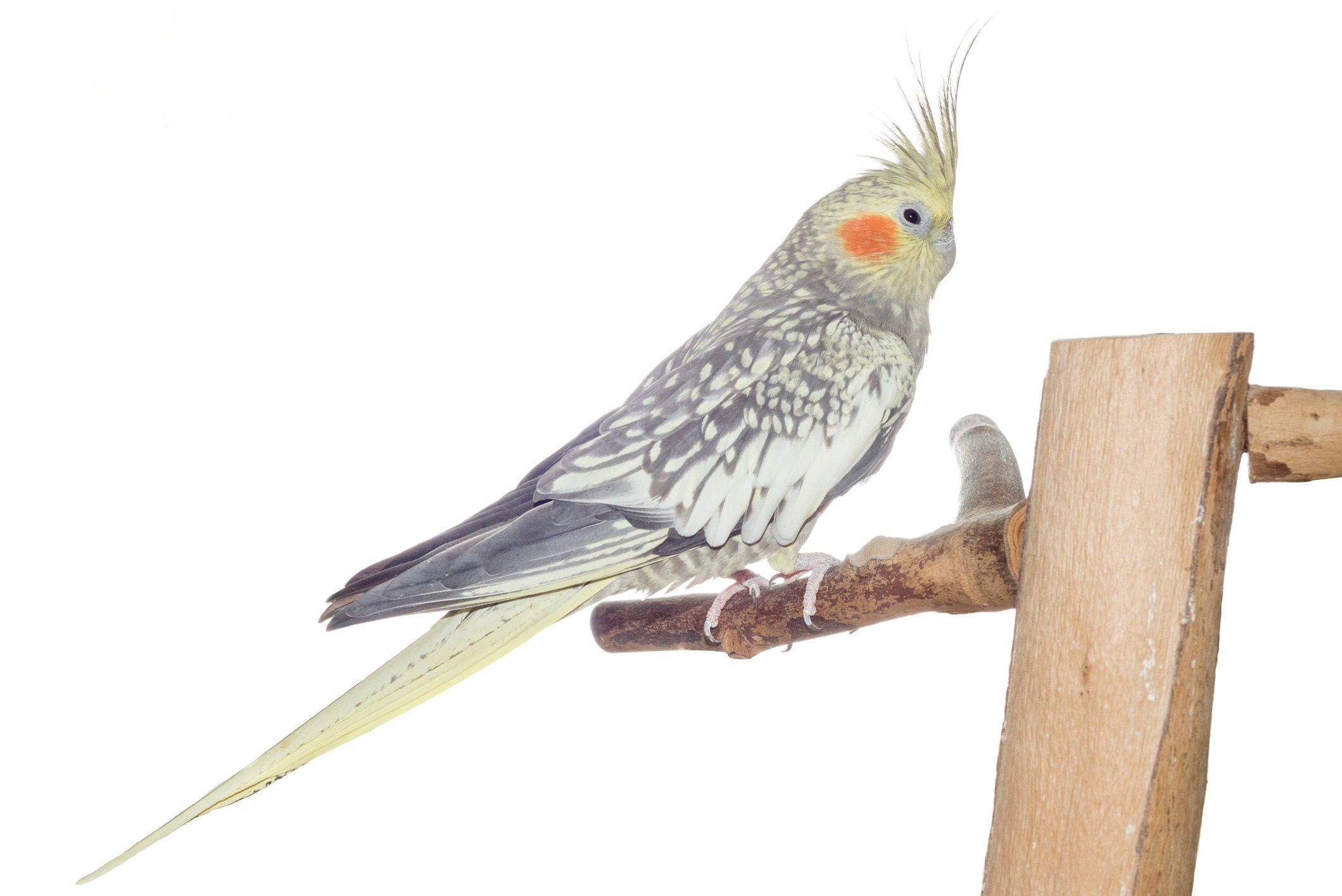
Photo by omepl1/iStock/Getty Images Plus
Pearl cockatiels are easy to admire, thanks to their patterned feathers. The mutation produces light, scalloped markings that can look a little like rows of tiny pearls across the wings and body.
Pearl is a sex-linked mutation. A bird’s appearance can also change after molting, so plumage alone should not always be used to determine whether a cockatiel is male or female. Female cockatiels usually retain their markings over their lifetime. Male pearls typically lose their color after they get older (9 months or so) but there can be exceptions.
5. Cinnamon Cockatiel
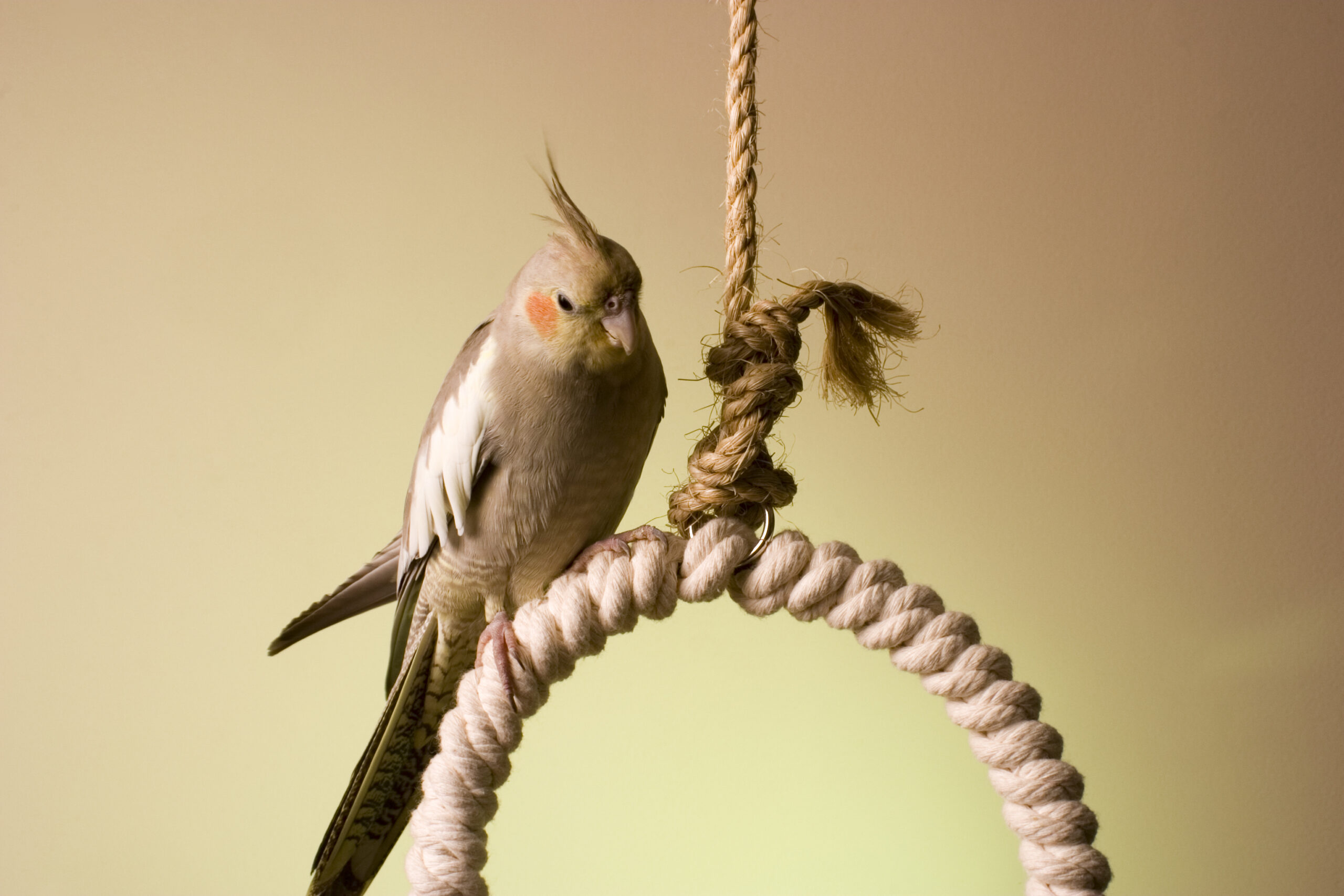
Photo by FourDogs/iStock/Getty Images Plus
A cinnamon cockatiel swaps the deep gray tones seen in a normal cockatiel for softer brownish-gray shades. The overall effect can look warmer and lighter than classic gray.
Cinnamon is another sex-linked mutation recognized by the American Cockatiel Society.
6. Whiteface Cockatiel
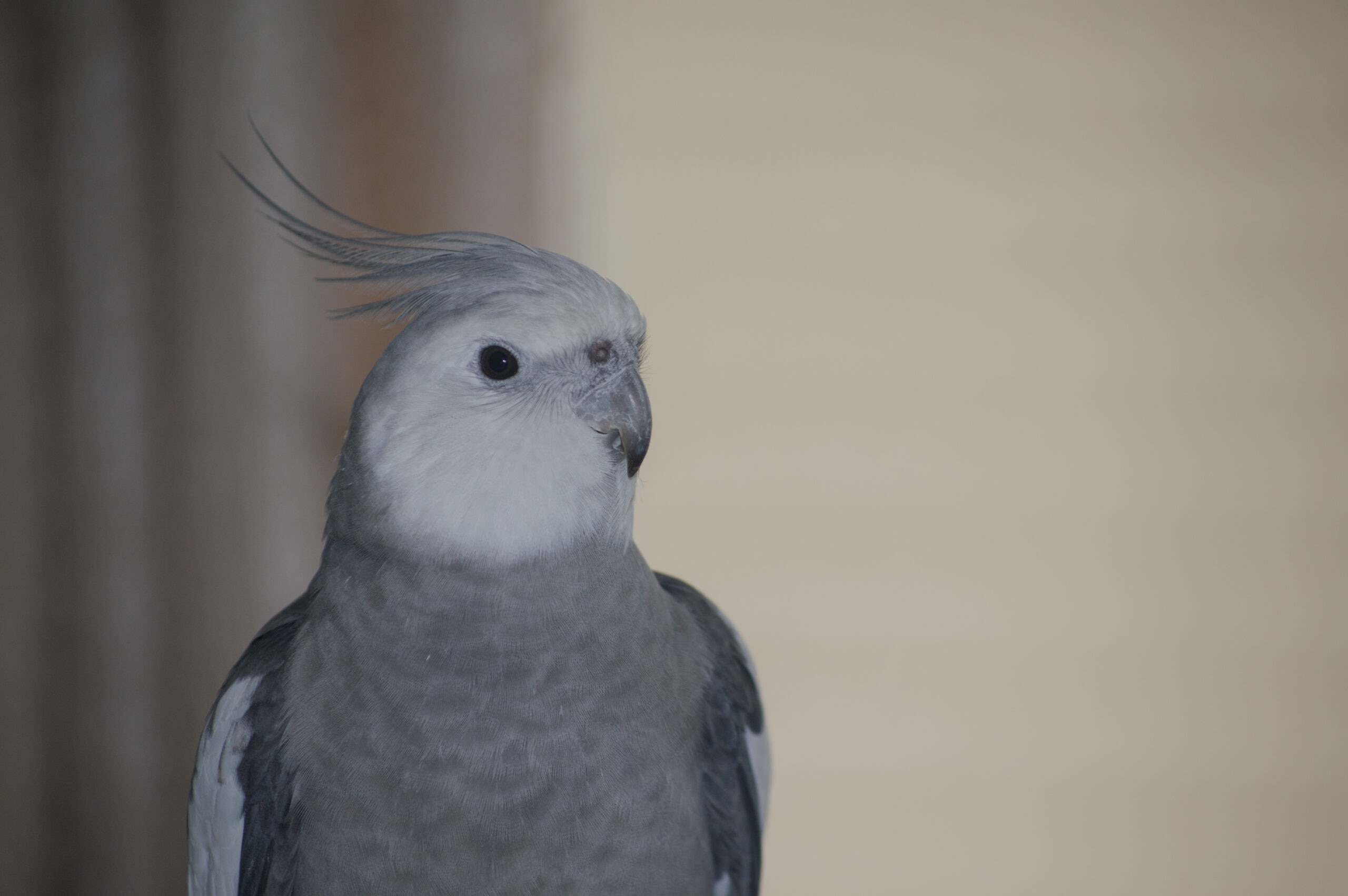
Photo by Sara Ruiz/iStock/Getty Images Plus
Whiteface cockatiels stand out because they lack the yellow and orange facial pigments associated with most cockatiels.
Instead, their feathers feature shades of gray and white. Whiteface is a recessive mutation.
7. Whiteface Lutino Cockatiel
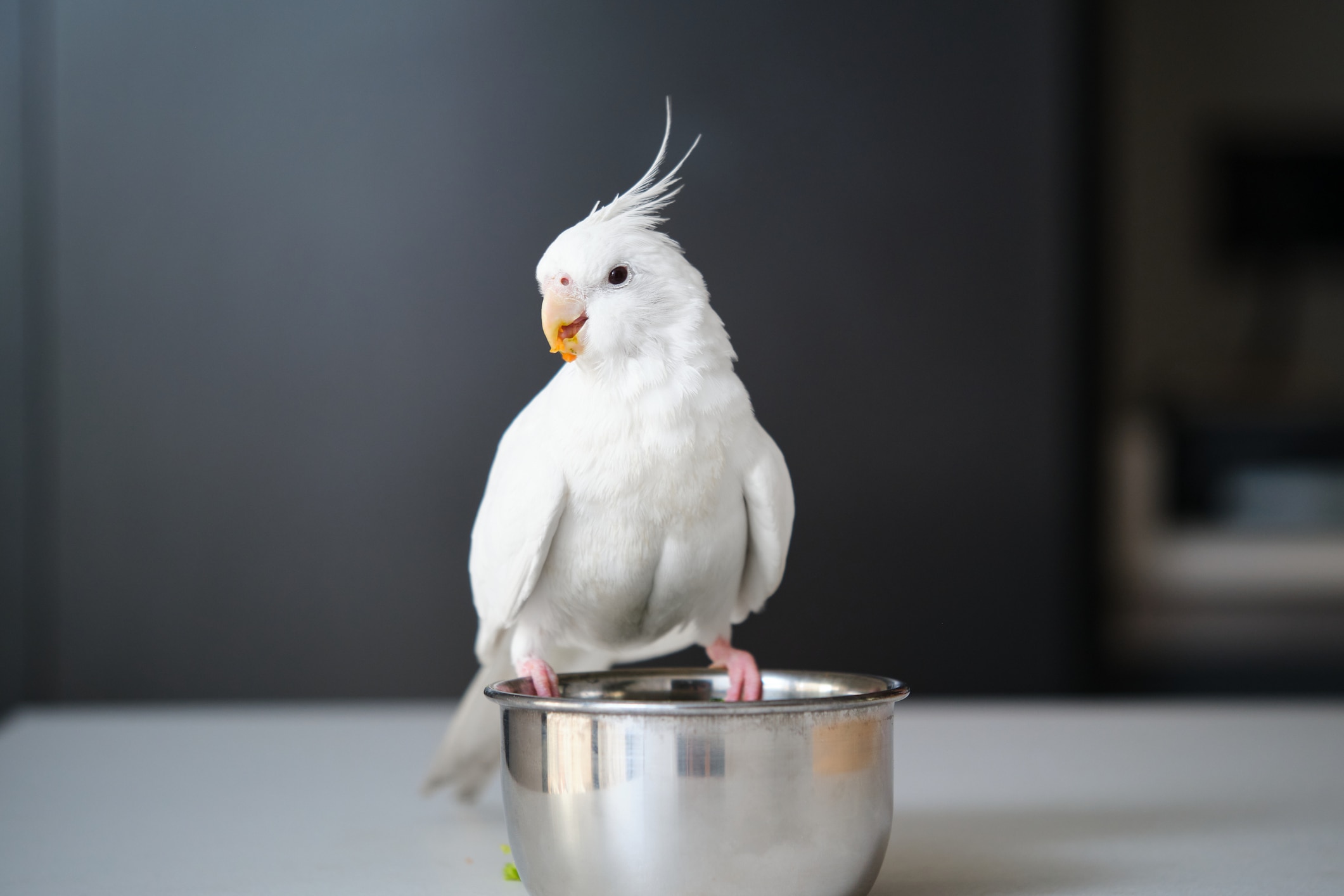
Photo by Ladanifer/iStock/Getty Images Plus
This bird, often called an albino cockatiel, is actually a combination of two mutations: whiteface and lutino.
These birds appear almost completely white and do not have the orange cheek patch seen on a standard lutino. They also have reddish eyes. Therefore, whiteface lutino is a more accurate genetic description than albino.
8. Fallow Cockatiel
Fallow is one of the less common cockatiel mutations. It alters dark pigmentation, producing a lighter appearance than a normal gray cockatiel.
The American Cockatiel Society classifies fallow as a recessive mutation and includes it among rarer show varieties.
9. Silver Cockatiel
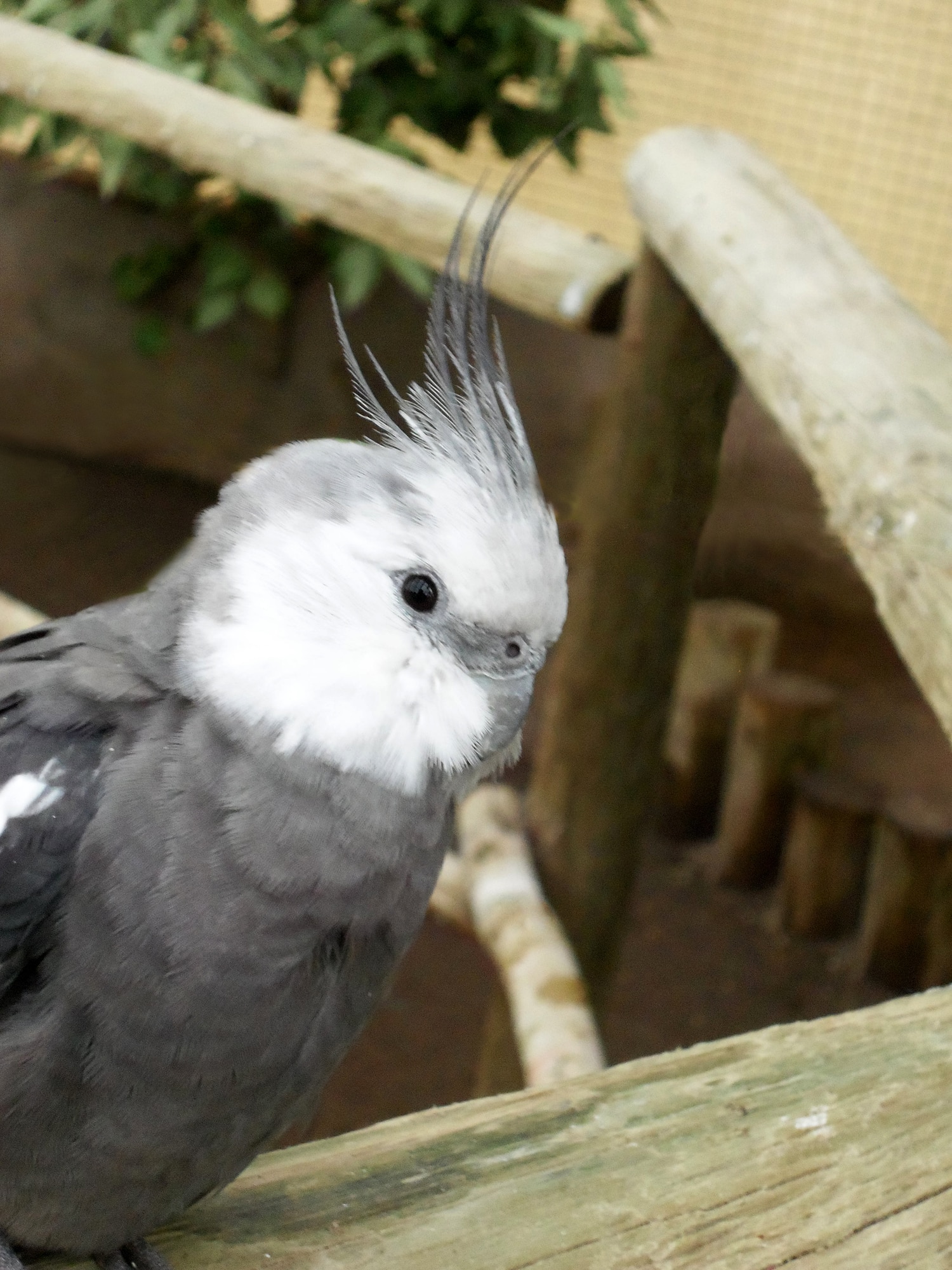
Photo by MagicManBob/iStock/Getty Images Plus
Silver mutations give cockatiels a silvery-gray appearance.
There is more than one genetically distinct silver variety, including recessive silver and dominant silver. This means two birds described as “silver” may not have inherited their coloring in the same way.
10. Yellowface Cockatiel
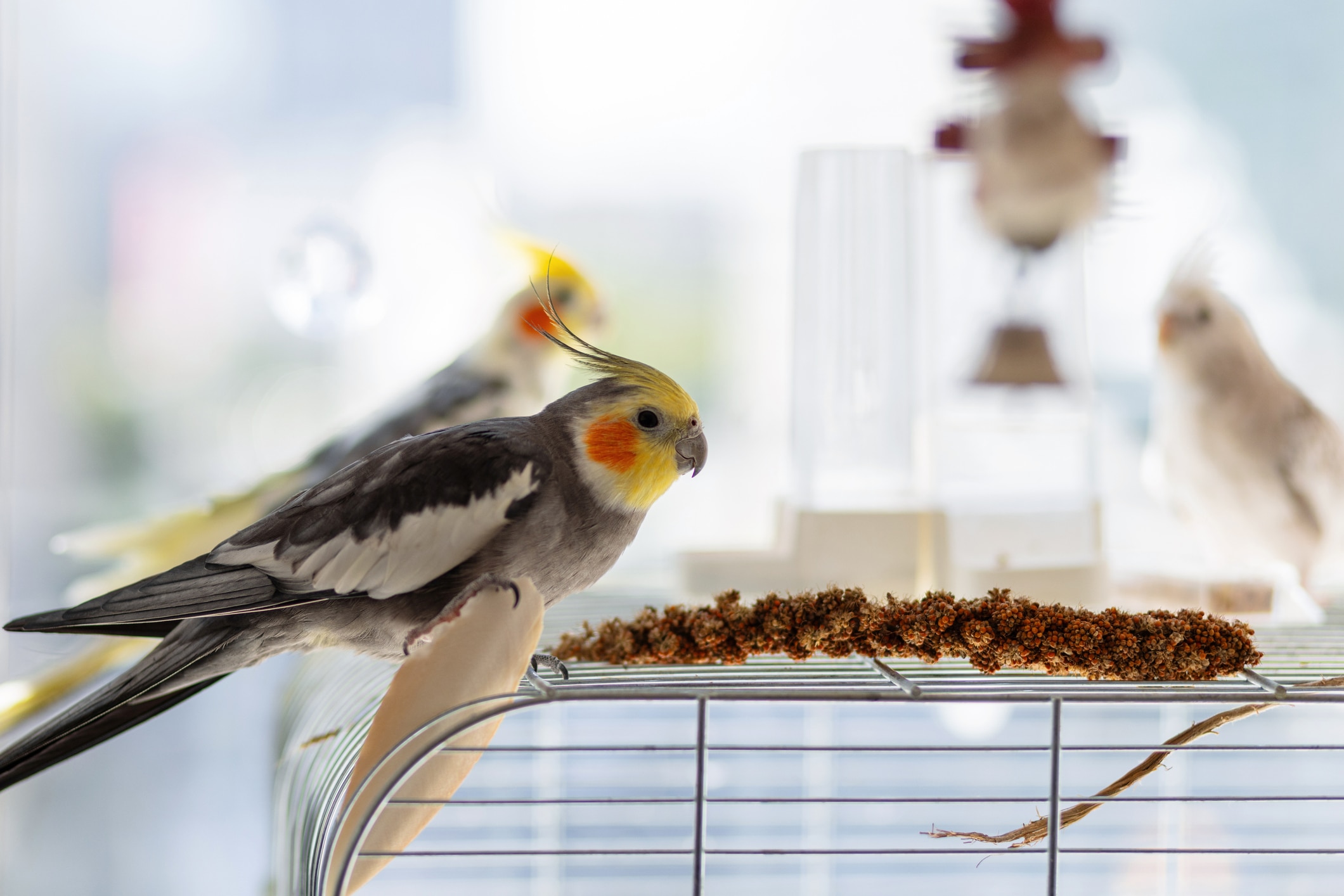
Photo by Alones Creative/iStock/Getty Images Plus
Yellowface is a mutation that changes the typical coloring around a cockatiel’s face. There’s more yellow infused in the orange cheek and in many cases, it eventually replaces the orange completely as birds age and molt.
The American Cockatiel Society lists yellowface among recognized color mutations. Different genetic forms of yellowface may also occur, making identification more complicated than simply checking the cheek color.
11. Creamface Cockatiel
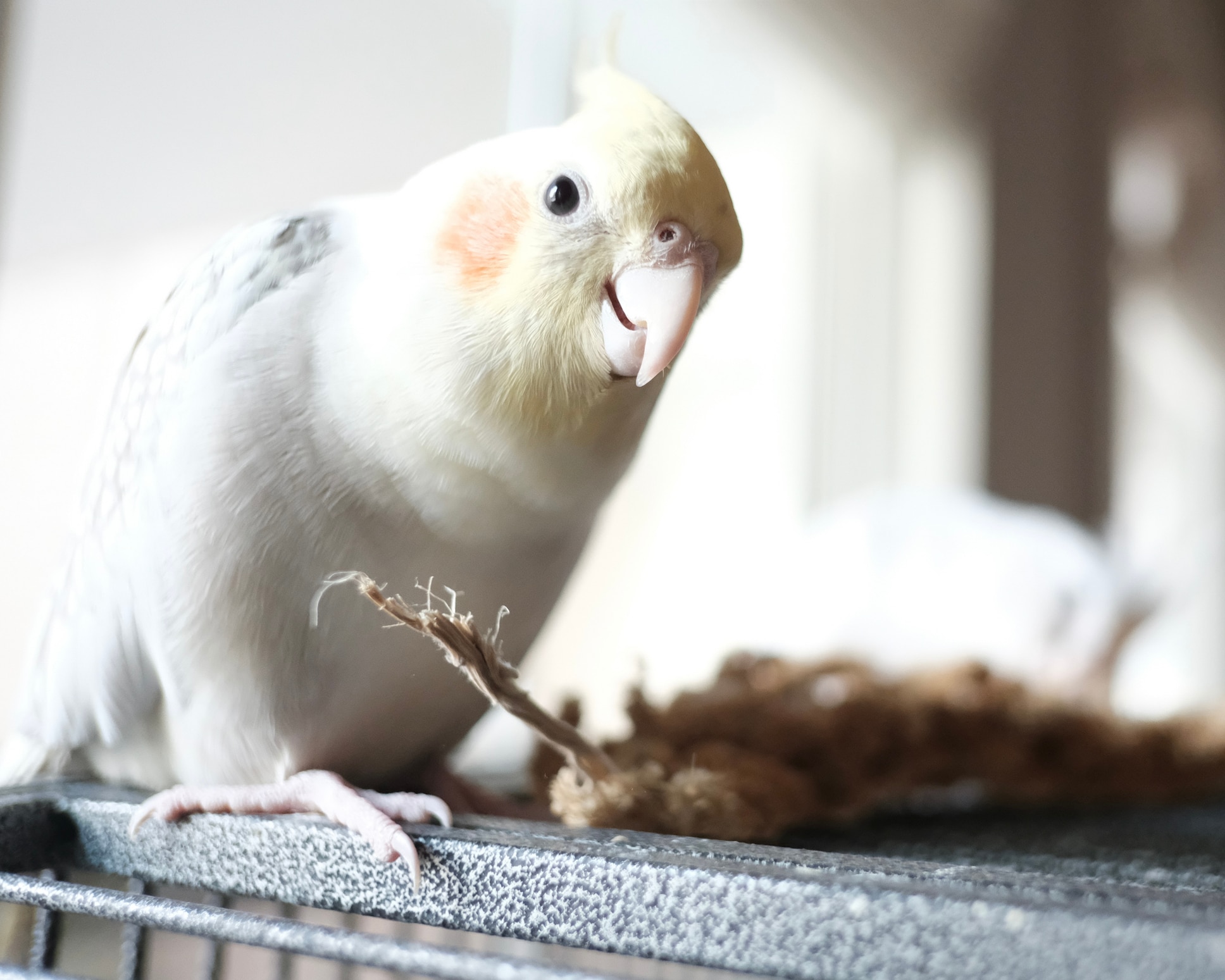
Photo by John Cragar/iStock/Getty Images Plus
Creamface is a rare cockatiel variety with softer cream-toned facial coloring.
The American Cockatiel Society includes creamface in its rare show classes. Because terminology surrounding uncommon color mutations can vary, pet parents interested in a bird’s exact genetic background should ask a knowledgeable breeder for pedigree information.
12. Combination Cockatiel Mutations
Here is where the feather color rainbow gets especially interesting: A cockatiel can inherit more than one mutation.
Recognized combinations include:
- Pearl pied
- Cinnamon pied
- Cinnamon pearl
- Cinnamon pearl pied
- Lutino pearl
- Whiteface cinnamon pearl
These combinations can create birds whose appearances do not fit neatly into one category.
Do Different Types of Cockatiels Have Different Personalities?
A cockatiel’s color should not be used to predict their personality. Individual birds can differ in sociability, activity level, vocalization, and comfort with handling.
Cockatiels are generally lively and vocal companion birds, but individual behavior can vary.
Instead of choosing a cockatiel based only on feather color, consider the individual bird’s health, history, socialization, and whether their care needs fit your household.
Does a Cockatiel’s Color Affect Their Health?
Most cockatiel mutations are discussed primarily in terms of appearance and genetics. Some cockatiels with rare color mutations might be more fragile, but that does not mean every bird with an unusual color will have health problems.
Responsible breeding and good preventive care matter more than a particular shade of feathers. If you are bringing home a new cockatiel, schedule an exam with an avian veterinarian and ask them about your bird’s individual health and nutritional needs.
Frequently Asked Questions About Types of Cockatiels
How many types of cockatiels are there?
There is only one cockatiel species, Nymphicus hollandicus, but numerous inherited color mutations and combinations within the species. These include lutino, pied, pearl, cinnamon, whiteface, fallow, silver, and several rarer varieties.
What is the most common type of cockatiel?
Normal gray is the natural or wild cockatiel coloration. Many of the other colors seen in companion cockatiels are mutations developed and maintained through selective breeding.
What is the rarest cockatiel color?
There is no authoritative ranking of the rarest cockatiel color. The American Cockatiel Society places varieties including fallow, silver, and creamface within its rare show classes.
What is an albino cockatiel?
The bird commonly called an albino cockatiel is actually a whiteface lutino. Combining the whiteface and lutino mutations produces a nearly all-white cockatiel without the typical orange cheek patch.
Can cockatiels have more than one color mutation?
Yes. A cockatiel can inherit several mutations at once, creating combinations such as pearl pied or cinnamon pearl pied. Genetic mixing is one reason why cockatiel colors can vary so much.
Does cockatiel color affect personality?
No, feather color doesn’t affect a cockatiel’s personality. Each bird is an individual, so pet parents should consider behavior, socialization, health, and care needs rather than color alone.
Attributions
This article was created with assistance from AI tools. The content has been reviewed for accuracy and edited by a human.