Cockatiel Cage Setup: Everything You Need for a Happy, Healthy Bird


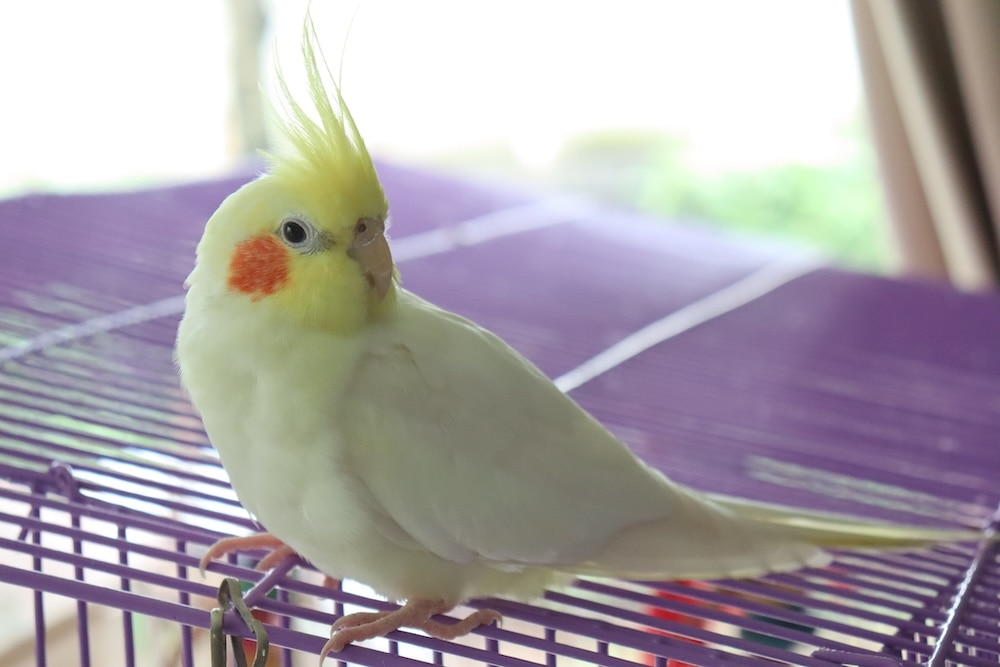
Photo by Chutima Chavanisakun/iStock/Getty Images Plus
Thinking of adopting a pet cockatiel? Your cockatiel cage setup should provide enough room for them to fly and explore. The right cage setup also encourages natural behaviors such as climbing and foraging, leading to a happier, healthier bird.
Before bringing your new feathered friend home, it’s important to have all the details in place to make the best habitat for them to thrive.
Key Takeaways
- Cockatiel cages should provide plenty of room for climbing, exploring, and taking short flights.
- Cockatiels are intelligent, social birds who need to be near their humans.
- A well-set-up cage means less stress for you and a happier, more active bird.
Choose the Right Cage Size
Cockatiels are active and need enough room to fully extend their wings, move about freely, and take short flights in their habitat. At minimum, a single bird’s cage should be 24 x 24 inches square and 30 inches in height, but bigger is always better.
Recommended Products
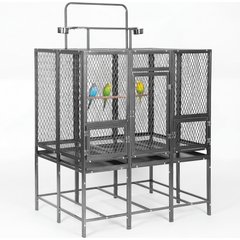
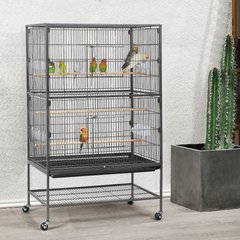
The cage should be large enough for a bird to fully extend their wings and move comfortably. Because cockatiels thrive on horizontal flight rather than vertical height, prioritize wider cages whenever your space allows.
Keep in mind that cages that are too small can lead to stress, phobias, and repetitive negative behaviors, so providing ample room is essential for your bird’s mental health.
Choose the biggest cage that your space allows, as your cockatiel will need daily exercise and mental stimulation to stay healthy. If you plan on housing two cockatiels, increase the cage size by 50–100% so they have room to climb, play, fly, and explore.
For more than two birds, continue expanding along the horizontal axis or even consider an indoor aviary. Alway check with your veterinarian to ensure proper housing requirements.
Make sure the bar spacing is close enough that a bird can’t escape or get stuck: no more than ½ to ⅝ of an inch maximum apart. Bar spacing exceeding ⅝ inch poses a severe risk of head entrapment, cervical dislocation, or strangulation.
Look for a cage that features horizontal bars on at least two sides. This setup is perfect for helping your cockatiel get some exercise, as they love using their beaks and feet together to climb and navigate their home
When picking out a cage, avoid models made with untreated galvanized wire. These are often coated in zinc, which can be dangerous if your bird chews on the bars or scrapes off flakes while climbing. Instead, look for materials made of stainless steel, high-grade powder-coated steel, or anodized aluminum to keep your bird safe.
Add a Variety of Perches
Figuring out how to set up a cockatiel cage is half the fun—and that includes perches. Feel free to experiment with the placement and spacing, as there’s no single “right” configuration.
Recommended Products
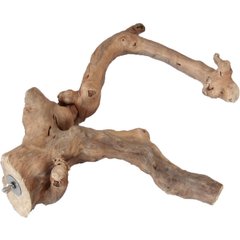
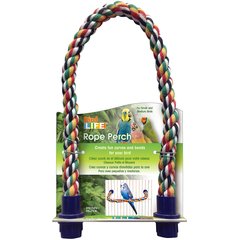
Install perches at different heights and angles to encourage your cockatiel to explore. Perches should be non-toxic and made of natural wood like apple or manzanita. Rope is also a good option, but check it often to ensure it’s in good shape to prevent injuries or ingestion. Any frayed rope should be trimmed or replaced immediately.
Make sure the perches vary in size so your cockatiel experiences different widths under their feet; it’s good for their physical health.
Think of perches as gym equipment for your bird! By offering a variety of sizes, shapes, and textures, you’re giving your cockatiel’s feet a healthy workout. Using different perch widths and textures helps exercise their foot muscles, improves joint flexibility, and prevents uncomfortable pressure sores—all while helping to keep their claws in great shape.
Perches should be at least 5 inches long and ½ inch to ¾ inch wide, with some wider perches up to an inch in diameter. The correct diameter allows the foot to wrap approximately two-thirds of the way around the dowel without their claws meeting or overlapping.
It’s best to avoid using only uniform, straight dowel perches. Because they’re the same shape all the way across, your bird ends up putting pressure on the exact same spots on their feet all day long, which can lead to painful sores or a common foot infection called bumblefoot. Instead, offer a mix of perches with natural shapes and different sizes to keep their feet healthy.
Include one or two flat, sandpaper-free grooming perches. These provide a soft, comfortable place for your bird to rest. The flat surfaces help take the pressure off their feet and let them fully relax their muscles, which helps prevent the sore spots and injuries that can be caused by other perches.
Don’t place any perches directly above food and water bowls, or your cockatiel’s droppings will land in them, creating unsanitary eating and drinking conditions. Be sure to create several resting spots at different heights, and leave flight paths clear so your birds don’t bump into the sides of the cage and damage their feathers.
Provide Food and Water Stations
Your cockatiel needs food and fresh water daily, and stainless steel or ceramic bowls make cleaning easy.
Recommended Product

Offer food and water in separate bowls, and if you have more than one cockatiel, provide feeding stations for each bird. Add an extra bowl for fresh food and treats.
Install bowls away from perches to avoid droppings. To prevent seed scatter, place food dishes a little lower in the cage, while water dishes can be a bit higher up.
Include Toys for Mental Stimulation
Cockatiels are intelligent and curious birds who need mental stimulation to stay happy and healthy. Purchase a variety of bird-safe toys, and rotate them in and out of the cage regularly.
Recommended Products
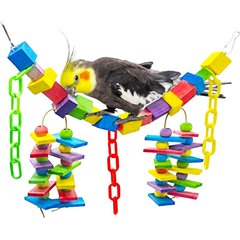
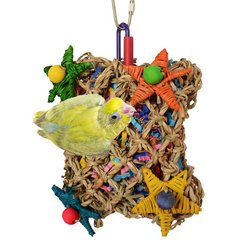
Great cockatiel toys include foraging toys that hide treats; shreddable toys that can be chewed on; bells without coatings, ensuring they’re safe; and swings and ladders for climbing and playing.
Inspect toys daily and whenever you rotate them. If you notice a broken toy, remove it immediately. Keep an eye on your bird’s activity to see which toys are their favorites, and always have one of them in the cage to keep them happy.
Cockatiels also need to bathe at least once a week. Some pet parents place a shallow dish in their kitchen sink to let their bird flap around in it, while others place the dish in the bird cage.
Keep the Cage Safe and Comfortable
Spot–clean daily and deep–clean weekly to replace cage liners, check for damaged toys and perches, and check for loose hardware or sharp edges.
Choose the Best Location for the Cage
Cockatiels need ample sunlight and to be near their people, so choose a room where you spend a lot of time and can interact with them throughout your day.
Place your cockatiel’s cage at or above eye level for humans; their habitat should never make them feel like you’re looming over them. The best place for their cage is near a window, but not so close that they’ll be exposed to drafts or direct, unshaded window sunlight. Give your cockatiel privacy and security by placing their cage along a wall or in a corner.
A cage that is too small can act like a greenhouse, trapping heat and making it hard for your bird to stay cool. Providing a larger, well-ventilated space ensures better airflow, which helps your cockatiel regulate their temperature much more easily.
Your cockatiel’s respiratory system is very delicate, making them extra sensitive to household fumes. Avoid using nonstick cookware such as Teflon that contains PTFE, as it can release invisible, toxic gases when overheated that are fatal to birds.
Also be mindful of other airborne irritants: air fresheners, essential oils, scented candles, incense, cleaning sprays, and self-cleaning oven cycles can all be harmful. Always ensure your bird’s environment is free of these common household fumes
Cockatiels can be prone to “night frights,” which are sudden, panicked thrashing in the dark triggered by unexpected sounds, shadows, or vibrations. This can be upsetting and may occasionally lead to injuries like broken feathers or bruises.
While covering the cage is a great way to help them settle into a consistent 10- to 12-hour sleep schedule, avoid using a complete blackout cover, as this can disorient your bird and actually trigger these frights. Instead, use a breathable, light-blocking cover that leaves one side or the bottom open for airflow, and keep a dim nightlight nearby to help your cockatiel feel secure and oriented if they wake up during the night.
A thoughtfully designed cage sets the stage for a happy, healthy bird. Cockatiel cage setup isn’t difficult and can be a fun part of their care. Cover the basics with the right cage, separate food and water bowls, and a great selection of toys. Then finish with a social but draft-free location. The rest is just upkeep: clean regularly, rotate toys, and take note of what your bird loves. Small ongoing adjustments will help turn your cockatiel’s cage into a home.
Frequently Asked Questions
How big should a cockatiel cage be?
Single cockatiels need, at a minimum, 24 x 24 x 30 inch cages. However, bigger is always better, and you’ll need to provide more space if you plan on having more than one bird.
How many perches does a cockatiel need?
Depending on how big your cockatiel’s habitat is, aim for at least four or five perches. But be sure to leave space for flight, exploration, eating, and drinking.
Should I cover my cockatiel’s cage at night?
If the room stays very dark at night, you might not need to cover your bird’s cage. However, most cockatiels need their cages covered at night to feel safe enough to sleep.
How often should I clean a cockatiel cage?
Spot–clean your cockatiel’s cage at least once daily, removing soiled cage pan liners like paper, unprinted newsprint, or butcher paper. In addition, deep–clean the cage weekly.
Attributions