My Cockatiel Laid an Egg. Now What?


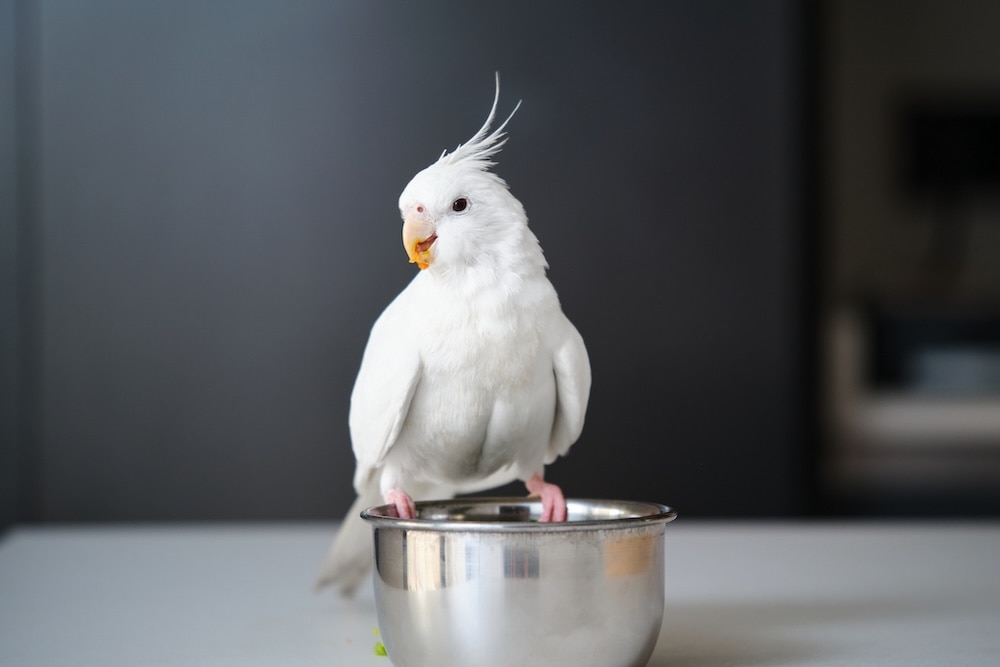
Photo by Ladanifer/iStock/Getty Images Plus
If your cockatiel laid an egg but has never been near a male, you are probably wondering what’s going on. The good news is that egg laying behavior in cockatiels is perfectly normal and many females lay a clutch or two a year with no harm.
However, just because something is normal doesn’t mean you should ignore it. Knowing what to do with the egg, understanding when egg laying is a medical concern, and learning how to keep your feathered friend from laying more eggs is important for the health of your bird.
Key Takeaways
- It's normal for female cockatiels to lay infertile eggs even if they've never been with a male.
- Leave eggs in the cage until your cockatiel naturally loses interest to help prevent additional egg laying.
- Frequent egg laying or signs like straining, lethargy, or difficulty breathing require immediate veterinary attention.
- Reducing hormonal triggers and supporting your bird with proper nutrition can help decrease future egg laying episodes.
Why Did My Cockatiel Lay an Egg?
Many birds lay eggs without ever having mated, and cockatiels are no exception. Their reproductive system allows egg production with and without mating. This is a normal part of a bird’s biology and is nothing to worry about. When mating doesn’t take place, the eggs are infertile and will never hatch.
Even single cockatiels can lay eggs, given the right situation. Hormonal changes brought on by her habitat can make a female start laying eggs. For example, if you include a dark, enclosed space in the cage, your female might decide that it would make a great nest and might start filling it with eggs.
Here are a few other potential reasons why your cockatiel laid an egg:
- Longer daylight hours signal that it’s time for babies.
- High-calorie diets tell a female bird that her body can afford to lay eggs.
- Bonding with a person, mirror, or even a favorite toy can release hormones that trigger egg laying.
- Petting a bird along their back or under their wings can make them think that it’s mating season.
- Leaving toys and perches in the same location every single week. Depending on the toy or perch, some birds can assume they’re ideal places to lay eggs. Moving these items around provides entertainment but also breaks the consistency that could lead to laying eggs.
What Should You Do If Your Cockatiel Lays an Egg?
So you found an egg in your bird’s cage. What do you do now? There are a few key points to understand:
1. Leave the egg alone—for now
Your first impulse may be to grab the egg, but don’t. Taking the egg out too soon can tell your cockatiel that she needs to replace it, restarting the cycle.
Instead, let her sit with the egg. Most females lay an egg every other day until the clutch reaches four to seven eggs.
2. Support your bird during egg laying
Egg production is hard on a bird’s body, whether the eggs are fertile or not. Keep her on a balanced diet and provide fresh, clean water at all times.
Recommended Products


You can also talk to your avian vet about calcium supplements, as egg laying can deplete calcium, especially if your cockatiel isn’t getting enough from her diet.
Recommended Products


Also keep an eye on how much your bird is eating, drinking, and moving around. A reduction in any of these behaviors can indicate a problem.
When To Remove the Eggs
After your cockatiel has stopped laying eggs, she’ll probably sit on them for an additional 18–21 days before losing interest. At that point, it’s safe to remove them.
If she lays eggs repeatedly, talk to your vet about swapping in dummy eggs so she can go through the sitting behavior without producing more eggs. Most birds have a sense for how many eggs they can safely incubate, so dummy eggs can fool them into thinking they can stop laying, as they already have enough.
When Is Egg Laying a Problem?
As long as it doesn’t become a regular event, laying a clutch occasionally is probably safe for your bird. However, some birds may become habitual egg layers, and that’s when it can cause health problems.
Egg laying is resource-intensive and pulls nutrients from the body like calcium if necessary, sometimes leading to weight loss, general weakness, and reproductive disease. Plus, because egg laying pulls calcium from a bird’s bones, calcium depletion can lead to fragile bones that break easily.
If your bird frequently lays eggs or you have concerns about her nutrition, always talk to your avian veterinarian.
Know the Signs of Egg Binding
If a cockatiel cannot pass the egg she’s produced, she is egg-bound. The reasons for egg binding vary, but it’s always a veterinary emergency.
Signs of egg binding include:
- Straining
- Sitting fluffed up on the cage floor
- Swollen abdomen
- Difficulty breathing
- Weakness or inability to perch
Contact an avian veterinarian immediately if you notice these symptoms.
How To Help Prevent Future Egg Laying
While you can’t always prevent future egg laying, you can minimize it by taking sensible steps that reduce your bird’s hormonal changes.
Egg laying is controlled by hormones, but those hormones often have environmental triggers. Control those triggers and you should be able to prevent most egg laying in the future.
The easiest place to start is your bird’s habitat. Remove nesting materials and don’t give her access to small, dark, enclosed spaces. You may also:
- Rearrange cage toys and perches periodically: Toys, perches, and accessories that never change can trigger hormonal shifts because this type of environment indicates it’s “safe” to have babies.
- Reduce daylight hours as recommended by your avian vet: Longer days and shorter nights tell the bird’s body that it’s spring and summer, so reducing daytime hours (including evenings with the lights on) can help.
- Avoid mimicking mating behaviors when interacting with your cockatiel: Touch only her head and feet. Wings, back, and under the wings are all spots that can trigger cockatiel breeding behaviors and egg-laying hormones.
- Remove mirrors and toys she’s bonded to: These items can trigger hormones.
Remember to support your cockatiel’s overall health by feeding a balanced diet, as well as providing exercise and foraging opportunities. In addition, regular checkups by an avian veterinarian are important for birds because they often hide health problems until it’s too late to help.
A sporadic clutch from your cockatiel is a normal part of your bird’s biology. Give her space to finish laying and support her body with good nutrition. While finding an unexpected egg can be surprising, the right care and a watchful eye can help keep your cockatiel healthy and reduce the chances of future egg-laying problems.
Frequently Asked Questions
Can a cockatiel lay eggs without a male?
Yes. Female cockatiels commonly lay infertile eggs even if they’ve never been housed with a male.
How many eggs does a cockatiel usually lay?
Most cockatiels lay a clutch of four to seven eggs, typically one every other day.
Should I remove my cockatiel’s egg right away?
No. Leaving the egg until your cockatiel naturally loses interest helps prevent her from replacing it with another egg.
How do I know if my cockatiel’s egg is fertile?
If no male cockatiel has been present, the egg is infertile.
How can I stop my cockatiel from laying eggs?
Reduce nesting opportunities, avoid hormone stimulating triggers, provide proper nutrition and enrichment, and reduce daylight hours. Consult an avian veterinarian if your bird lays eggs frequently and you aren’t sure how to stop this behavior.
Attributions