Why Do Cockatiels Grind Their Beaks?


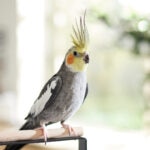
Photo by Young, male cockatiel bird outside its bird cage. Showing the distinctive yellow plumage of this lovely and intelligent bird.
Do you ever hear a tiny gritch, gritch, gritch sound coming from your cockatiel’s cage? If so, don’t be alarmed. That sound is just your parrot grinding their beak and this behavior is perfectly normal, says Byron J.S. de la Navarre, DVM at the Animal House of Chicago.
We spoke to de la Navarre about why some pet birds may grind their beaks, when the behavior becomes concerning, and how to provide enrichment that’ll keep your pet bird stimulated.
Key Takeaways
- Beak grinding is a normal behavior in cockatiels and other parrots; it's generally a sign that they're relaxed and content.
- Excessive grinding, grinding at unusual times, or visible beak damage may indicate a problem that warrants a veterinary visit.
- Provide your pet with safe chew and foraging toys can help keep them stimulated and avoid any excessive beak grinding.
Why Do Parrots Grind Their Beaks?
No one is certain why parrots grind their beaks, but it is believed they do it to soothe themselves, especially before they go to sleep. Beak grinding reflects contentedness and a relaxed state. Most cockatiels grind their beaks just before falling asleep or when they are resting deeply on a perch like the Living World Pedi-Perch Cement Bird Perch.
“There could be several reasons why parrots grind their beaks, but it most commonly occurs right before they roost,” Dr. Byron says. “Usually they’ll sit on their bird perches, maybe have one of their legs held up and then you’ll hear them grinding their beak.”
Is Beak Grinding Cause for Concern?
It shouldn’t be an excessive behavior, de la Navarre says. Beak grinding is not similar to teeth grinding in people, which indicates anxiety. Birds will generally chew on the bars of their cage, groom excessively, or exhibit other destructive behaviors when stressed, he says.
If you notice your bird grinding his beak during periods other than before bedtime, if the grinding lasts for prolonged periods of time, or if you notice any beak damage, consult your veterinarian.
Do Birds Grind To Maintain Their Beak?
Some people believe that the grinding has something to do with keeping the beak trim, but there’s no evidence to prove or disprove that hypothesis. So, if you hear the little gritch, gritch, gritch of your bird grinding her beak before a nap or just before bedtime, you can be assured that your bird is comfortable and feeling well.
Safe Toys for Parrots
To help redirect this type of behavior, provide your bird with safe chew and foraging toys like Super Bird Creations Bagel Cascade Bird Toy, Planet Pleasures Spiked Pinata Natural Bird Toy or Bonka Bird Toys Foraging Star Bird Toy.
Featured Image: iStock.com/Nickbeer
FAQs About Bird Beak Grinding
Why does my cockatiel grind their beak at night?
Cockatiels commonly grind their beaks just before falling asleep or while settling down to rest. The behavior is believed to be self-soothing and is generally a sign that your bird feels comfortable and relaxed.
Is beak grinding a sign that a parrot is happy?
Yes! Beak grinding is generally associated with contentment and relaxation, and it’s a common behavior in parrots. You may notice your cockatiel or another parrot type grinding their beak while perched comfortably, resting, or getting ready for bed.
Is beak grinding the same as teeth grinding in humans?
No. While the sounds may be similar, beak grinding in birds is generally a sign of relaxation rather than anxiety. Stressed birds are more likely to exhibit behaviors such as excessive grooming, chewing on cage bars, or other destructive activities.
Does beak grinding help keep a cockatiel’s beak trimmed?
Some people believe beak grinding helps maintain a bird’s beak length, but there is currently no evidence to prove or disprove this theory.
When should I worry about my cockatiel grinding their beak?
Occasional beak grinding is normal, but excessive grinding, grinding for prolonged periods, grinding outside typical resting times, or visible beak damage may indicate a problem. Consult an avian veterinarian if you notice these signs.
How can I redirect excessive beak grinding?
Providing safe chew and foraging toys can help redirect excessive beak-related behaviors. Toys also give your cockatiel opportunities to engage in natural chewing and foraging activities.
What other signs indicate that my cockatiel is relaxed?
Beak grinding can be one sign of contentment, especially when accompanied by relaxed body language. Other signs may include gentle chattering, comfortable perching, and relaxed feather positioning.
Attributions