Cockatiel Lifespan: How Long Do Cockatiels Live?


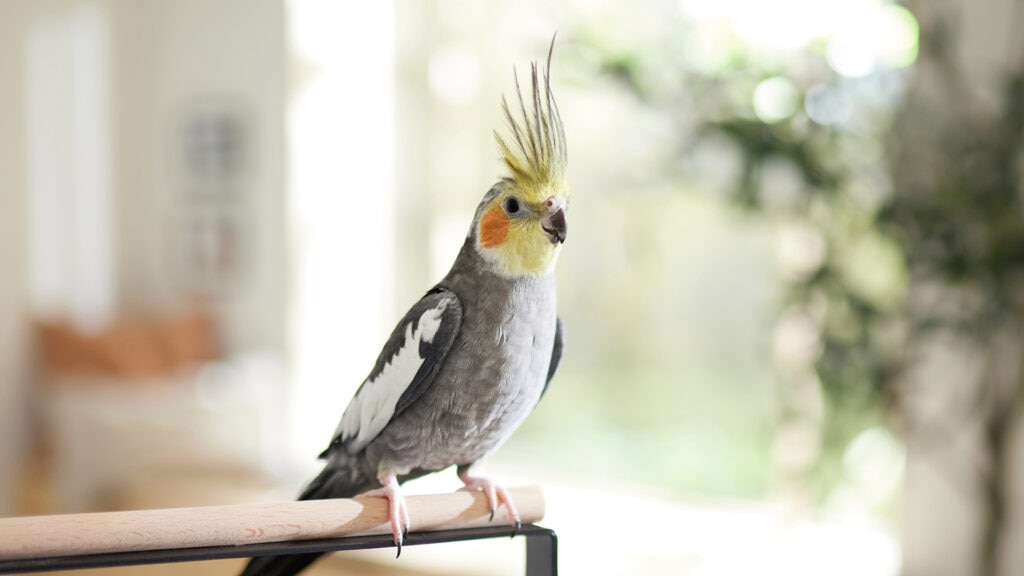
Photo by Chewy
With their cheerful whistles and affectionate personalities, cockatiels have a way of becoming beloved members of the family. And they’re in it for the long haul: Pet cockatiels typically live 15–25 years with good care.
While genetics play a role, a balanced diet, safe housing, daily enrichment, and regular veterinary care can help your cockatiel enjoy a long, healthy life.
Key Takeaways
- Pet cockatiels typically live 15–25 years with good care, though individual lifespans vary.
- A cockatiel's lifespan depends on genetics, nutrition, housing, sleep, exercise, household safety, and veterinary care.
- Seed-heavy diets can contribute to nutritional deficiencies, so work with an avian veterinarian to provide a balanced diet.
- Cockatiels need daily social interaction, safe exercise, enrichment, and regular veterinary care to support their health.
How Long Do Cockatiels Live?
Pet cockatiels can live 15–25 years, making them a long-term commitment. Genetics, nutrition, accidents, reproductive disease, and other health problems can affect their lifespan.
Before bringing one home, consider how you’ll provide daily interaction, exercise, and veterinary care as your household and routines change.
What Impacts a Cockatiel’s Lifespan?
Several factors influence how long a cockatiel lives, from genetics and nutrition to their environment and daily care.
Genetics and Life Stage
Cockatiels are small parrots native to Australia. While many have been bred for different feather colors, genetics can also influence their health.
Female cockatiels can develop problems related to chronic egg-laying, including calcium depletion. Contact your avian veterinarian promptly if your bird lays frequently, strains, sits low, seems weak, or appears to be in pain.
Nutrition
Cockatiels may love seeds and millet, but a seed-heavy diet can be high in fat and low in essential nutrients.
A balanced cockatiel diet generally includes a complete pellet or crumble, appropriate fresh foods, and limited treats. Introduce dietary changes gradually with guidance from your avian veterinarian, and monitor how much your bird eats during the transition.
Cage Setup and Household Safety
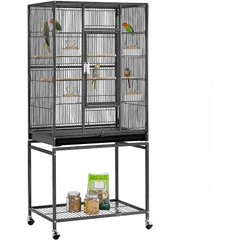
Your cockatiel needs a roomy, secure cage with enough space to stretch, climb, flap, and move comfortably between perches.
Choose safe bar spacing, sturdy doors, varied perches, and easy-to-clean surfaces. Position food and water dishes away from droppings.
Birds have sensitive respiratory systems, so keep your cockatiel away from smoke, aerosol sprays, strong fumes, overheated nonstick cookware, candles, and dusty or poorly ventilated spaces.
Before supervised out-of-cage playtime, close doors and windows, cover mirrors, turn off fans, and remove access to cords, hot surfaces, open water, and other pets.
Enrichment, Sleep, and Veterinary Care
Cockatiels are social, intelligent birds who need daily interaction and opportunities to explore. Toys, foraging activities, training, and supervised out-of-cage time provide exercise and mental stimulation.
Give your cockatiel a quiet, consistent sleep routine away from disruptive household noise and lighting.
Because birds often hide illness, regular avian veterinary exams and weight checks can help catch problems early. Contact your veterinarian if you notice changes in appetite, droppings, breathing, activity, or behavior.
How To Help Your Cockatiel Live a Longer Life
A few consistent habits can make a big difference in your cockatiel’s health and well-being.
Provide a Roomy Cage
Choose cockatiel cages with safe bar spacing and enough room for movement, perches, food and water dishes, and toys.
Recommended Products
Feed a Balanced Diet
Work with your avian veterinarian to choose appropriate cockatiel food, fresh foods, and portion sizes.
Recommended Products


Limit Treats
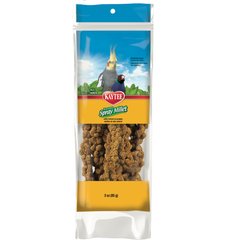
Millet can be a useful reward during training or bonding but offer it in moderation rather than as a replacement for balanced meals.
Recommended Product
Keep Them Entertained
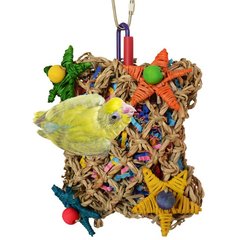
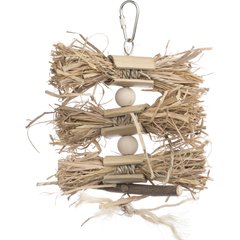
Rotate safe cockatiel toys that encourage chewing, shredding, climbing, and foraging.
Recommended Products
Make Time for Safe Exercise
Supervise out-of-cage activity in a bird-safe room, away from other pets, hot surfaces, fumes, electrical cords, and unsafe plants.
Keep Food and Water Dishes Clean
Wash dishes daily, refresh drinking water frequently, and remove fresh foods before they spoil.
Schedule Regular Vet Visits
Routine avian veterinary exams, weight checks, and nutrition reviews help support long-term health. Ask your veterinarian how often your cockatiel should be examined.
Attributions
This article was created with assistance from AI tools. The content has been reviewed for accuracy and edited by a human.