Why Is My Bird Screaming?


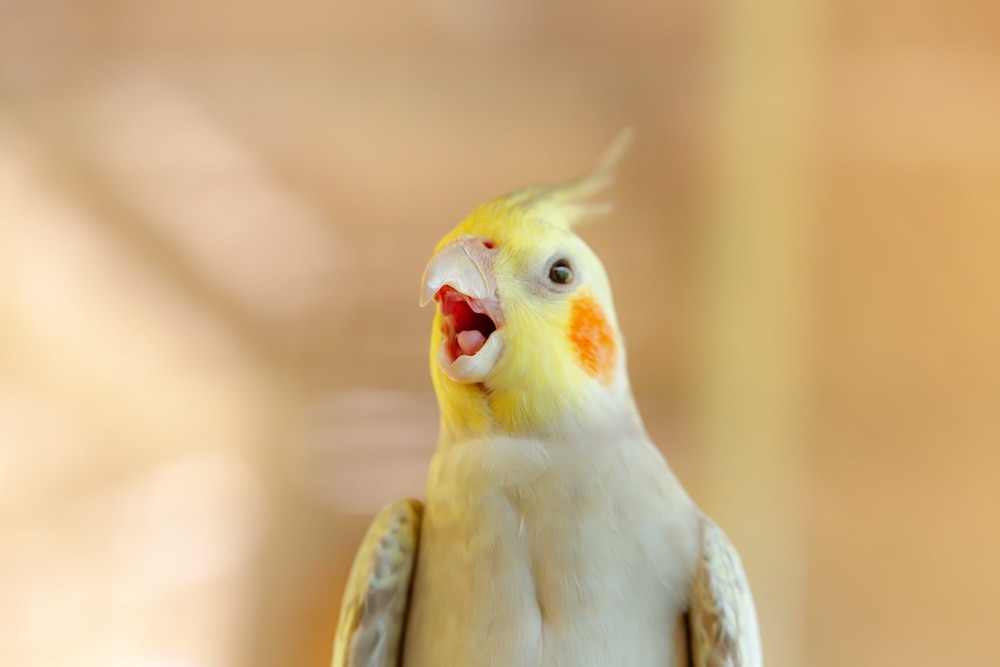
Photo by nutoeizuza/iStock/Getty Images Plus
If you share your home with a bird, you’ve probably heard them scream. Some are quieter than others, but birds are naturally vocal and use many different calls to communicate with their flock—at home, that’s you.
Some screaming is normal, but sudden, frequent, or intense screaming can indicate a problem. Here are the most common reasons birds scream, and a few practical ways to help manage the behavior.
Key Takeaways
- Birds scream to communicate, seek attention, or respond to their environment.
- Boredom, fear, poor sleep, and changes in routine can increase vocalization.
- Rewarding calm behavior is more effective than yelling or punishment.
- Sudden or unusual screaming warrants a veterinary evaluation.
Is It Normal for Birds To Scream?
Birds are social creatures, so some vocalizing is normal and varies according to species and individual personality. Many birds call out at dawn and dusk or when they’re communicating with their flock. Healthy, happy birds should chatter, whistle, call out, and occasionally scream.
The only time screaming becomes a problem is when it’s excessive, persistent, or different than what’s normal for your bird. If your bird starts screaming louder, more often, or for longer stretches, it’s time to check on them, including their overall health and care.
Why Is My Bird Screaming?
If your bird screams a lot or just more than normal, they probably have their reasons, even if you disagree with them. Get to know each of your bird’s calls so you can decode their messages. It’s your job to figure out why they’re screaming, because each type of call means something different to your unique bird.
Attention-Seeking
One of the most common reasons your bird may scream is for attention. Do you rush over to their cage when they scream to talk to them, tell them to be quiet, or even cover their cage? If they have everything they need and are still screaming, they may have learned that screaming works. In other words, you may have unintentionally taught your bird that screaming gets them the attention they want.
Boredom or Loneliness
Intelligent, active, and curious birds can get bored or lonely without enough of the things they need. Help stave off their boredom and keep them mentally engaged with a variety of species-appropriate toys and exercise, plus foraging activities that let them work for their food.
Recommended Products

Also, don’t underestimate the importance of the time you spend with them while they’re in and out of their cage. Social interaction is vital for their mental health. Try teaching them to talk, help them learn how to fly safely, and even play games with your feathered bestie.
Fear or Stress
Fear or stress can turn on the screaming faster than anything else. Fortunately, as soon as whatever caused the screaming is gone, the screaming should also subside.
Common triggers for screaming include new people in the home, other pets getting too close for comfort, loud noises, shadows, and other changes in the home environment. Investigate any sudden or suspicious screaming to make sure your bird is safe.
Hunger or an Unmet Need
Sometimes it’s a simple problem: they need something. If your normally happy and peaceful bird is agitated and screaming, check their food and water.
You may also cover their cage at night to make sure they’re getting the sleep they need. And do a mental check to see if you’ve been giving them the attention and outside-the-cage time they need.
Hormonal Behavior
Seasonal hormonal shifts can change your bird’s behavior and even increase the amount of screaming they do. Be careful about providing access to nesting-like spaces and petting along their back or under their wings, as doing so can stimulate hormonal behavior during breeding season.
Illness or Pain
Birds often hide signs of illness until it’s nearly too late—it’s a survival tactic that wild birds also use. But sometimes they let you know there’s a problem through sudden or odd screaming.
This is especially concerning if you’ve also noticed changes in their activity level, appetite, droppings, or posture. Birds often display small, subtle changes before it turns into a bigger problem.
How To Stop a Bird From Screaming
Before the screaming gets out of control, make sure their basic needs are met and minimize avoidable triggers. Then take a few steps:
- Track the pattern: Keep notes on when they scream so you can spot the triggers and start clearing up the environmental triggers.
- Rule out illness or injury: Schedule an appointment with your avian vet for a wellness check.
- Keep a consistent routine: Set a schedule for feeding, sleeping, exercise, and social interaction so your bird knows what to expect.
- Reward quiet moments: When your bird is quiet, encourage the quiet by giving them a treat or some attention to reinforce the behavior you want.
- Don’t react: If you yell, rush over, or otherwise react to excessive screaming after you’ve checked on their needs, it encourages negative behavior.
When To Call an Avian Veterinarian
While many of the triggers that make your bird scream are environmental and relatively easy to fix, there are times when a vet visit isn’t optional. Contact a veterinarian if your bird’s screaming starts suddenly or sounds unusual. Other reasons to call the vet include screaming accompanied by any of the following:
- Appetite, weight, or behavior changes
- Abnormal droppings, weakness, breathing changes, or feather damage
- Screaming continues despite environmental and behavioral changes
Remember that screaming isn’t necessarily bad behavior, it’s your bird’s way of communicating. If it becomes excessive, look for the cause, whether it’s boredom, fear, or an unmet need.
Try to keep a consistent routine, reward quieter vocalizations, and don’t react to attention-seeking screams.
If the screaming starts suddenly or occurs with other behavioral changes, schedule an appointment with an avian veterinarian. In most cases, patience and consistency can make your bird feel more secure and reduce their screaming.
Bird Screaming FAQs
Why does my bird scream when I leave the room?
They may be making a contact call to locate a member of their perceived flock.
Should I cover my bird’s cage when they scream?
No. Cage covers should support a consistent sleep routine, not be used as punishment.
Should I ignore my bird when they scream?
Avoid rewarding attention-seeking screams, but first confirm that the bird is safe and has no unmet physical or medical needs.
What birds are naturally the loudest?
Species such as macaws, cockatoos, conures, and Amazon parrots are naturally louder.
Attributions