How To Teach a Bird to Fly



Photo by Slavica/iStock/Getty Images Plus
Our feathered companions need regular exercise to stay happy and healthy, and there’s no better pet bird exercise than flight. Flying is the ultimate workout because it gives birds a full-body cardio activity that strengthens muscles and supports healthy joints.
Bird flight training also provides mental stimulation and enrichment—a win-win for our birds’ bodies and minds. Learn how to teach a bird to fly safely so your bird can join the fun!
Key Takeaways
- For pet birds, flying is a full-body workout that strengthens muscles and joints while supporting overall physical health.
- Flight also provides mental stimulation and enrichment that keeps a bird curious and confident in their environment.
- Birds have a natural drive to fly, which is evident during the fledging stage as they flap their wings and develop the coordination needed to lift off and fly.
- Birds with early wing feather trims or little flight experience may have weaker muscles or less confidence, but practice and encouragement can help them gain both.
Why Flying Is Important for Birds
Flight is far more than just a way for birds to get around.
Physical Health Benefits
Flying is essential to our feathered friends’ physical health and conditioning, as it keeps multiple body systems working together at peak performance. Physical benefits of flying include:
- Muscle development
- Better cardiovascular health
- Weight management
Mental and Emotional Benefits
Consistent flying opportunities help birds express instinctive behaviors that contribute to a healthier, more balanced life in the home. Mental and emotional benefits include:
- Confidence building
- Reduction of stress and boredom
- Natural behavior stimulation
How To Teach a Bird to Fly, Step by Step
Bird flight training is a gradual step-by-step process. Your goal is to build your bird’s strength and coordination so they associate flight with a positive and safe experience, as well as an interaction with you that they can look forward to.
Step 1: Create a Safe Training Area
- Close windows and doors: Accidental escape is a real risk with flighted birds, as are accidents from doors being opened and shut while birds are out of the enclosure. If you live with others, inform them whenever your bird is out of their cage, or place signs on doors and windows so everyone is aware. Clear windows should also be covered to prevent injuries if birds don’t realize it’s a window.
- Remove ceiling fan risks: Turn off ceiling fans when your bird is out, as birds often try to perch on them and moving fans have been known to seriously injure or kill pet birds. For extra safety, add a visual reminder like tape or a sign on the fan power switch.
- Use soft landing surfaces: When a bird is learning to fly, falling to the ground is common until they are coordinated enough to reach their targeted landing spot. To help prevent injury, cover hard flooring with soft surfaces like rugs, beach towels, blankets, or mats.
Step 2: Encourage Wing Strength
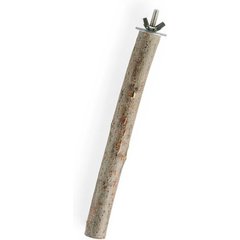
- Secure gripping: Help your bird exercise their wings by having them grip a secure surface, such as a perch or cage top, while they hold on with their feet and practice flapping their wings without lifting off.
Recommended Products
Think of this step like a child holding onto the side of a pool and practicing their swim kicks before diving in and swimming.
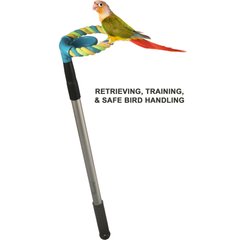
- Gentle flapping exercises: Have your bird step onto a handheld perch or your hand, then slowly move it up and down while making sure they can maintain a secure grip. As your bird begins flapping more vigorously, reaching the point where it feels like you’retrying to keep up with their wingbeats, they’re ready for the next step.
- Short-distance movement: Offer them a familiar perch or other safe landing spot a short distance away and encourage them to fly to it. Help your bird build confidence and focus on flight coordination by creating simple flight paths, such as between two nearby perches or from the cage top to a chair or play gym a few feet away.
Step 3: Start With Short Flights
- Move between low perches: The higher the starting point, the greater risk of injury if a flight attempt fails. Lessen the chances of your bird injuring themselves by starting with lower perches.
- Use treats and positive reinforcement: Pet birds tend to be highly food motivated, so save their favorite treat for flight training, such as an almond sliver or piece of carrot or sweet potato.
Recommended Products

- Keep sessions short: Don’t treat flight training as marathon sessions; instead, keep them short and on track— about five minutes, tops. You want your bird to be focused and highly motivated each time.
Step 4: Increase Distance Gradually
- Build endurance: Gradually increase the distance to your bird’s target spot. Your goal is to ensure your feathered friend can safely make it to their landing spot in one attempt.
- Improve coordination: Take time to create a clear flight path for your bird—one that’s free of tricky maneuvers so they can feel confident in their flight skills and coordination.
- Avoid overtraining: Always follow your bird’s body language. A stressed bird might open-mouth breathe to catch their breath or actively avoid your hand or perch.
Step 5: Practice Recall Training
- Teach the bird to return on command: Target training (teaching your bird to fly to you or a designated spot on command) can make it easier to retrieve your bird if they fly to an unreachable or off-limits spot, and it can also make returning your bird to their cage easier.
- Reward systems: Birds love rewards, especially favorite treats, so save these for recall training to positively reinforce them flying to you or a designated spot when cued. Some birds learn to respond to a special recall word or phrase, followed by praise and attention.
- Importance of trust: Don’t undermine your bird’s confidence by attempting to make them fly when they aren’t ready mentally or physically. Similarly, make sure your hand is ready and steady if your bird flies to you, and avoid last-minute redirecting, as this can deter trust, even if unintentional.
For pet birds, learning to fly sets them on a path to better overall health, and one that also supports their emotional well-being. By providing a safe environment built alongside patience and positive reinforcement, we can help our birds develop the confidence and skills they need to fly with control and ease.
FAQs About Bird Flight Training
Can all pet birds learn to fly?
Most healthy pet birds can learn to fly if they have fully grown flight feathers. Flight might pose a challenge for birds with mobility issues, such as older birds, arthritic birds, and previously injured birds. Talk to your vet if you’re unsure if your bird is fit enough to fly.
How long does it take to teach a bird to fly?
Each pet bird is different, and age, species, overall health, and previous life experience can all factor in. Some birds learn to fly in days or weeks, while others need months or longer.
Is it cruel to keep birds from flying?
While flight is an important form of exercise and enrichment for birds, safety matters, too. If safe flight opportunities aren’t feasible, wing flapping exercises and other forms of mental and physical engagement might be in order.
Can clipped wings grow back?
Clipped wing feathers grow back, but the time frame depends on the severity of the feather trim, as well as your bird’s molt cycle, diet, and other factors. Once your bird’s wing feathers are fully grown in, they can learn to fly.
What should I do if my bird crashes during training?
Crash landings do happen during flight training. If your bird crashes and you notice a change in behavior, such as a reluctance to perch, limping, or you see swelling, especially over the breastbone, contact your veterinarian.
Attributions