All About Bird Nares

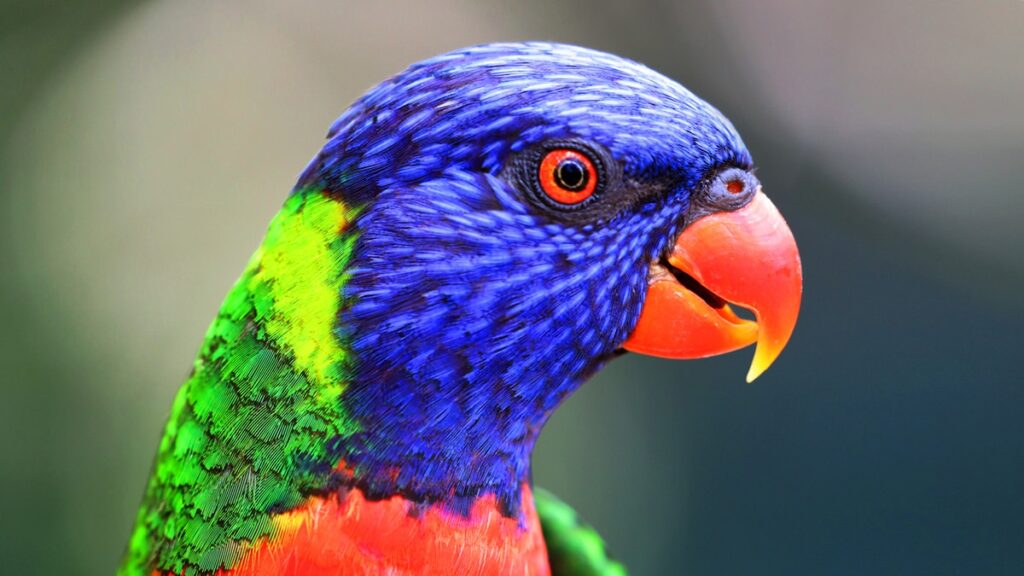
Photo by iStock.com/chuvipro
Bird nares are essentially bird nostrils—the external openings of your pet’s respiratory tract that are found on the sides of their beak. Sometimes, as in some species of parrots, nares (the plural of “naris”) are covered with feathers, which can make them difficult to see.
Bird nares function like human nostrils—they filter the air your bird breathes, says Katherine Quesenberry, DVM, MPH, DABVP (avian), staff doctor and head of avian and exotic pets at Animal Medical Center in New York City.
“Because pet birds are indoors instead of outdoors, there’s a lot of dust, dirt and debris that can get in there,” she says. The result? Several types of infections and conditions that can affect bird nares.
Key Takeaways
- Birds nares or nostrils can be found on their beak and are sometimes covered in feathers.
- Your pet bird's nares are sensitive to indoor, climate-controlled air, a lack of fresh air, and low-humidity environments.
- Pet parents should watch for signs of mites or debris in their bird's nares.
- Giving your bird a regular misting or bird bath and keeping their cage clean can help keep their nares healthy.
4 Common Conditions Affecting Bird Nares
1. Bacterial or Fungal Infections
Birds can get infections in their nares from just about anything, such as bacteria in the environment, a vitamin A deficiency or fungus. A common cause for bacterial or fungal infections is a lack of fresh air, especially in the winter or summer when the heat or the A/C is on. The filters in both can get dirty, making it easier for fungal spores and other bacteria to get blown around and into bird nostrils.
“Most of these infections start with environmental organisms, and then the nares get secondarily infected,” Dr. Quesenberry says.
To spot an infection, watch for nasal discharge—either a thin, clear fluid or a thicker, gooier one.
Treatment: If your feathered friend seems unwell, take them to an avian vet right away. Once there, the vet can diagnose the reason for the infection—like a vitamin A deficiency—as well as clear up the infection with antibiotics or a fungicide.
If your bird has a vitamin A deficiency, which can change the cells in the nasal passages to make your pet more susceptible to infections, your vet probably will want to go over your bird’s diet with you, Dr. Quesenberry says.
2. Debris
Birds can get all sorts of tiny objects stuck in their nares, from food to feathers to particles of dirt that get blown about. While most birds can sneeze out whatever enters, sometimes the particle gets stuck in bird nostrils, causing an infection.
Treatment: A vet can remove debris by using saline nose drops, Dr. Quesenberry says.
3. Mites
Although uncommon in other birds, budgies, in particular, are prone to mites—microscopic parasites that feed off your pet’s blood—that cause the skin of the bird nares to appear crusty. If left untreated, your budgie (aka parakeet) can develop a deformed bird beak, Dr. Quesenberry says.
Treatment: A vet usually will give your parakeet an antiparasitic via medication, spray or powder. You must clean out your bird’s cage to prevent reinfection.
4. Low Humidity
Tropical birds, like Amazon parrots, thrive in humid areas, and they really suffer in the winter when heating systems suck the moisture out of a room. These birds can become more susceptible to respiratory infections during northern winters when the air is dry.
Treatment: Get a humidifier, recommends Dr. Quesenberry, but avoid ultrasonic humidifiers, which produce a very fine spray of moisture but can spew out white dust from built-up mineral deposits that birds can inhale. Safer units are warm- or cool-mist evaporative humidifiers that spray out larger moisture droplets. Whichever humidifier you use, clean it out regularly to prevent mold and bacteria.
How To Keep Bird Nares Healthy
Pet birds typically use their nails to clean out their nares. Here are some ways to help them stay clean and healthy.
- Keep their cage clean. If your pet’s cage is filled with feathers, food and waste, she’ll clean out her nares with dirty nails, increasing the risk of infection. Keep her bird perches clean, too.
- Shower with your tropical bird. Take your bird into the bathroom with you when you bathe. The steam will help keep her bird nostrils clear, and letting her shower will keep her clean overall.
- Give your pet a bird bath. All birds need to bathe. You can spray your pet with warm water daily, or hang a bird bath—like JW Pet InSight bird bath—on her cage so your feathered family member has her own dedicated spot to clean herself. This can go a long way to keep her nares and other parts healthy.
FAQs About Bird Nares
Do birds have nostrils?
Yes! Birds have nostrils, called nares, which are small openings typically located on the sides of their beaks. Like human nostrils, they allow birds to breathe and help filter the air they inhale.
How do I keep my bird’s nostrils clean?
Birds typically use their nails to clean their nares. Keeping their cages and perches clean, giving your bird regular misting or a bird bath, and bringing them into the bathroom while you shower are three ways you can help keep their nostrils healthy.
Do birds sneeze?
Yes! Sneezing is a natural reflex that helps birds clear food particles, feathers, dirt, and other debris from their nasal passages. Occasionally, however, debris can become stuck and cause an infection.
What causes infections in a bird’s nostrils?
Bacterial and fungal infections can develop due to environmental organisms, dirty air filters, and vitamin A deficiencies. Poor air circulation can also contribute to respiratory issues in birds.
Can dry air affect my bird’s nostrils?
Yes! Low humidity can make tropical birds more susceptible to respiratory infections. Using a clean, appropriate humidifier can help maintain comfortable humidity levels for your bird and their species.
Why does my bird have discharge coming from its nostrils?
Nasal discharge can be a sign of a bacterial or fungal infection. Discharge may appear as a thin, clear fluid or a thicker, more viscous substance. Contact an avian veterinarian if you notice it.
Why are my bird’s nostrils crusty?
Crusty nares can be a sign of mites, particularly in parakeets (budgies). Other nasal conditions, including infections, can also affect the appearance of a bird’s nostrils. An avian veterinarian should evaluate your pet if you notice this symptom.
Attributions