PBFD in Birds: Signs, Treatment, and Prevention


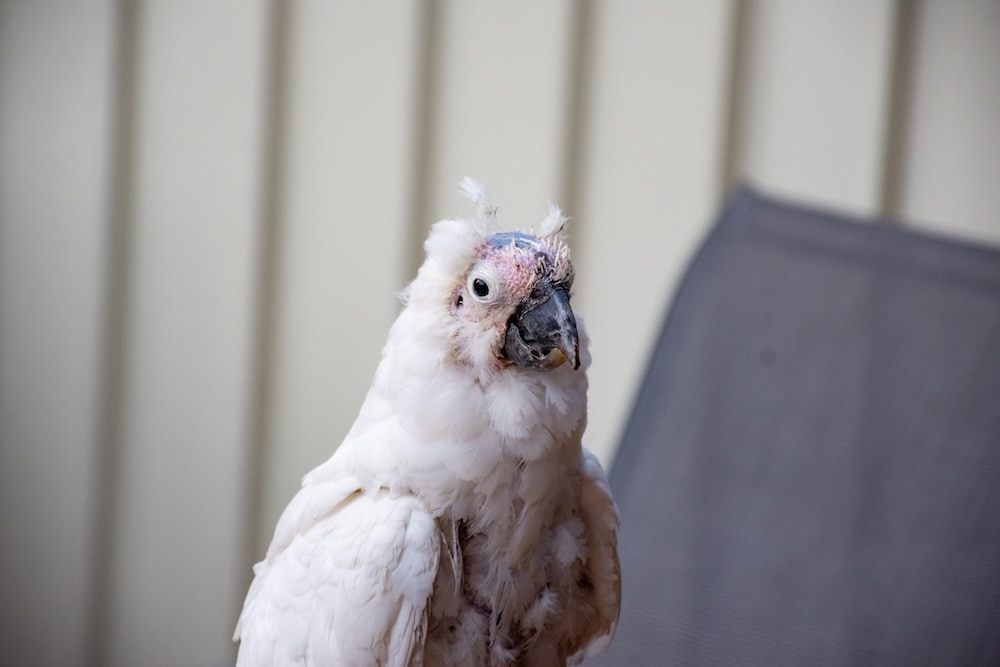
Photo by Daria Nipot/iStock/Getty Images Plus
Psittacine beak and feather disease, commonly called PBFD, is a highly contagious virus that affects the feathers, beaks, and immune systems of parrots.
All infections can be fatal, especially in younger birds. Older parrots may be able to initially recover from the infection, but the disease will eventually wear down their immune system, often leading to death due to complications. PBFD is a serious disease and requires prompt veterinary attention, so make sure you’re aware of the signs.
Key Takeaways
- PBFD mainly affects parrots and spreads easily between birds.
- Signs include abnormal feathers, feather loss, beak changes, and recurring infections.
- There is no cure, but supportive care can help manage symptoms.
- Testing and quarantining new birds can help prevent transmission.
What Is PBFD in Birds?
PBFD is caused by an avian virus called Psittacine circovirus. This viral disease causes damage to the feathers, beaks, nails, and immune systems of infected birds.
The symptoms and severity of PBFD can vary by age and species, but nestlings and young adults have the highest risk of contracting it due to their weaker immune systems.
It’s most common in lovebirds, African grey parrots, cockatoos, ring-necked parakeets, eclectus parrots, budgies, lories, and lorikeets.
There are two strains of PBFD, both of which usually lead to death:
- Type 1: The most common strain, it’s also the most severe and affects cockatoos, African greys, lovebirds, and eclectus parrots more than other species. Type 1 often leads to classic symptoms of beak damage and extensive feather loss.
- Type 2: Typically less severe than Type 1, this strain is more common in lories and lorikeets. Birds may recover and develop protective antibodies, but they can still infect other birds.
There are three forms of PBFD:
Peracute
Peracute PBFD typically starts soon after hatching and leads to sudden death from septicemia, pneumonia, or enteritis before any of the feather symptoms appear.
Acute
Acute PBFD occurs in juveniles or young adults, often just as they’re getting their first feathers. In the acute type, you’ll see depression for a couple of days, premature molting, and sudden changes in how new feathers look. It triggers bone marrow suppression, immune system weakness, and death, sometimes in as little as one to two weeks.
Chronic
More likely to appear in older birds, chronic PBFD usually shows up as birds develop malformed feathers in a symmetrical pattern. This happens over the course of several molts, typically appearing in the first molt after the infection, up to six months later.
Over time, the feathers can take on a clubbed appearance with brittle or missing feathers, the bird may develop beak deformities, and they may eventually die due to secondary infections.
Symptoms of PBFD in Birds
Birds with PBFD often exhibit several symptoms, but some can be infected and not show any symptoms.
Watch your bird for symptoms including:
- Loss of powder down, leading to an abnormally shiny beak
- Extensive, irreversible feather loss
- Development of misshapen, discolored, or bleeding feathers
- New feathers grow in with a pinched appearance
- Symmetrical lesions on the beak and occasionally the nails
- Overgrown, cracked, or deformed beak
- Weakened immune system
- Rapid weight loss
- Recurring secondary infections
If you notice any of these signs, seek prompt attention from your avian veterinarian.
Causes of PBFD in Birds
Birds carrying the virus that causes PBFD shed it through droppings, feather dander, and secretions, leaving it both airborne and on surfaces like food dishes, clothing, and nesting materials. Other birds become infected through direct contact, inhalation, or ingestion of infected particles.
The virus itself is hard to eliminate and can stay active in the environment for months. Some birds can carry the disease for years without showing any symptoms at all.
How Veterinarians Diagnose PBFD
Diagnosing PBFD usually starts with a physical exam. When you schedule the appointment, be sure your vet is aware of all the symptoms so they can take any preventive steps they deem necessary to keep their facility safe and clean.
Diagnostic tests to confirm PBFD include:
- Biopsy of the skin or feather and shaft
- PCR testing of blood
- Feather samples
PBFD doesn’t spread evenly throughout the feathers, so some may have the virus while others test negative. To prevent false negatives, most vets prefer PCR testing, which uses genetic material.
Some birds who test positive may never show symptoms. Other birds may develop an immune response that fights off the infection, and will often test negative after 30–90 days.
Most vets recommend at least one follow-up test of a PBFD-positive bird 60–90 days later. Those who’ve managed to fight it off should test negative, but if they’re still testing positive, the vet will most likely consider them chronically infected.
Treatment of PBFD in Birds
PBFD is often eventually fatal. It has no cure and there’s no vaccine against it. Based on a bird’s individual ability to fight the disease, some birds may live up to several years after their initial infection. Others may continue to test positive and may eventually die due to recurrent infections.
Keeping your entire flock healthy when one pet has been affected by PBFD is no easy task. The infected parrot should be permanently quarantined from your healthy birds in case the infection comes back. It’s rare that a bird fully recovers from this disease.
Cleanliness and sanitation are your first line of defense. Keep all cages clean and tidy and do not cross-contaminate by using the same tools in all cages. Always work with infected birds last to ensure less chances or transmission.
You can support sick birds with a high-quality diet that supplies complete nutrition. Avian supplements like probiotics, vitamin E, and vitamin C may be helpful if advised by your veterinarian.
Recommended Products
You may also need to modify a sick bird’s habitat, including:
- Providing soft perches or flat platforms to help parrots with deformed claws
Recommended Product
- Using shallow food dishes to help those with beak damage
Recommended Product

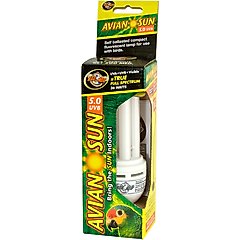
- Increasing the ambient temperature for birds with feather loss by providing supplemental heat sources that maintain 80–85 F and humidity control
Recommended Product
Antibiotic and antifungal treatments may be prescribed to manage secondary parasitic, bacterial, and fungal infections, as needed.
Recovery and Management of PBFD
With dedicated care, a parrot with PBFD might live for years, depending on their species, age, and immune system.
A bird’s overall quality of life will depend on the steps their pet parent takes to support their health and prevent or treat secondary infections. Continued isolation from other birds is also necessary to prevent spread.
Diseased birds need to be separated from uninfected birds for the rest of their lives, so social interaction, enrichment, and companionship from humans will be required to keep them mentally and emotionally healthy. Parrots are highly intelligent, social birds.
Maintaining their beak and claws is critical to preserving their ability to eat and perch safely. Once the bird can no longer eat independently or is in unmanageable pain that’s diminished their quality of life, euthanasia is considered.
Prevention of PBFD in Birds
The best possible preventive method is avoiding exposure to the virus that causes PBFD, and this can be done by taking several careful steps:
1. Test and quarantine new birds
Never bring in a new bird without setting up a quarantine area for them. Have an avian veterinarian perform appropriate tests to confirm they don’t carry the virus. This might require two or three months of quarantine before integrating the new bird, but keeping PBFD out of your flock is critical.
2. Don’t share tools and supplies between birds
Because of how easily PBFD can be transmitted from one bird to the next (even on surfaces), never share tools and supplies.
3. Follow veterinary cleaning and disinfection guidance
Whether your birds are infected with PBFD or not, regularly cleaning and disinfecting their habitats, toys, supplies, and tools will help prevent illness. Set up a regular schedule that keeps everything clean and safe.
4. Choose breeders and rescues that screen for PBFD
In addition to testing and quarantining new birds, you can reduce the risk by selecting breeders or rescues that routinely screen for the disease.
PBFD is a serious illness in birds, so proper prevention tactics and careful treatment of birds with the disease are key. Always work with a veterinarian if you have concerns about PBFD and your bird.
PBFD in Birds FAQs
Is PBFD contagious?
Yes. It spreads through contact with infected droppings, toys, tools, clothes, and dander. PBFD can infect birds when they breathe in, touch, or ingest things infected with the virus.
Can PBFD spread to people or other pets?
It doesn’t seem to spread to people or non-bird pets, but people and pets can transfer it unintentionally between birds by carrying it on their hands, feet, fur, or clothes.
Can birds recover from PBFD?
The infection is incurable and usually fatal. It’s very rare that a bird fully recovers from this disease. Although some birds may initially recover, PBFD usually comes back and causes complications leading to death.
How long can a bird live with PBFD?
It depends. A hatchling might die in a few days, while an older bird might live for several more years.
Attributions