Why Is My Cat Drooling? 13 Reasons Why Cats Drool

Photo by Chewy
When it comes to drooling, you might imagine a slobbery Saint Bernard, but a cat? Sophisticated felines would never—or would they?
Yes, cats do drool, and it can be a harmless thing or a more serious sign of a medical condition. Here’s everything you need to know and when you should call your vet.
Key Takeaways
- Cat drooling can be normal, but sudden or excessive drooling may signal an underlying health problem.
- Dental disease, nausea, stress, toxins, and mouth injuries are common causes of drooling in cats.
- The appearance of your cat's drool and any accompanying symptoms can help identify the cause.
- See your veterinarian if drooling is new, persistent, severe, or occurs with other concerning symptoms.
- Regular dental care, routine vet visits, and a safe home can help reduce your cat's risk of drooling-related health issues.
Why Do Cats Drool?
Cat drooling is a symptom, not a diagnosis, and the reasons behind it can range from harmless to a genuine emergency. Here are some of the most common reasons cats drool.
Happiness or Relaxation
Some cats drool when they’re happy and relaxed. This is often seen during a petting session or while they’re purring or kneading.
Stress and Fear
Scared or anxious cats may drool, but they should stop once the stressful event ends and they have a chance to calm down.
If your cat doesn’t stop after the anxious event, it’s worth talking to your vet.
Dental Disease
Dental disease is very common in cats and can be quite painful. It is a likely cause of cat drooling if your cat has significant tartar and gingivitis or they are suffering from feline tooth resorption, a condition in which the body breaks down your cat’s teeth.
See a vet as soon as you can.
Nausea
Cats who feel nauseated often drool whether or not they end up vomiting.
This may be caused by:
- Hairballs
- Gastroenteritis
- Car sickness
- Other underlying conditions
Toxins
Some cleaners, dangerous plants, essential oils, human medications, and other household items can cause lesions inside the mouth or lead to other problems that make cats drool.
If you think your cat has ingested something dangerous, call Pet Poison Helpline (855-764-7661; a fee applies) on your way to the vet.
Bad Tastes
Even if a substance isn’t toxic (a cat medication your veterinarian prescribed, for example), it might be bitter or simply taste bad to your cat. Drooling may just be your cat’s natural response.
Foreign Objects
String, a bit of bone, or other foreign objects can become stuck in a cat’s mouth or throat and lead to drooling. If you think your cat ingested an object, head to the emergency vet immediately.
Infections and Inflammation
Cats, and especially kittens, are prone to upper respiratory infections, some of which can produce lesions in the mouth and cause drooling. Inflammation related to feline stomatitis is another possible cause.
Oral Tumors
Tumors inside a cat’s mouth can get quite large, become infected, and cause pain, all of which can lead to drooling.
Kidney Disease
Cats with advanced kidney disease can drool because they develop painful ulcers in their mouth and may also experience nausea.
Trauma or Injury
Anything that leads to an injury to a cat’s mouth or jaw—like a fall, car accident, or fight with another animal—could cause tissue damage, pain, and drooling.
Heatstroke
Drooling can be a sign of heatstroke in cats, which is a medical emergency. Get your cat to a veterinarian immediately if you think they could be overheated.
Neurologic and Neuromuscular Problems
Conditions affecting the brain, nerves, or muscles can interfere with normal swallowing and cause drooling.
This list of reasons your cat might be drooling is not exhaustive. If it’s happening frequently, it’s worth discussing with your cat’s veterinarian.
What Different Types of Cat Drool Mean
The appearance of the drool matters. Here’s what the saliva of your cat might say about their condition:
- A small amount of clear drool: Can be harmless, especially if it only occurs during petting, naps, or times of stress.
- A wet chin or chest: Often means that a cat has been drooling for a while.
- Thick or ropey drool: May occur with dehydration, nausea, oral pain, or conditions that make normal swallowing difficult.
- Foamy drool: Develops when excess saliva mixes with air and can be seen with nausea, oral irritation, toxin exposure, or stress.
- Bloody drool: Not normal and often points to a mouth injury, dental disease, or oral mass.
- Drooling with bad breath: Dental disease and other types of oral infections are often associated with bad breath and drooling.
- Drooling with pawing at the mouth: Suggests pain or discomfort, possibly from something stuck in the mouth, dental disease, or an oral tumor.
- Drooling with vomiting or nausea: Often points to a gastrointestinal issue. Kidney disease, liver disease, and other health problems can also lead to nausea and drooling.
Is Cat Drooling Normal?
Occasional drooling can be normal for some cats, especially those who’ve always drooled a little when they’re happy or anxious.
If that’s true for your cat, there’s probably nothing to worry about, although it’s still worth bringing up the next time you’re at the veterinarian.
When To Take Your Cat to the Vet
It’s definitely time for a vet visit if a cat who has never drooled suddenly starts drooling, a cat’s drooling doesn’t fit their usual pattern, or the look of the drool is concerning.
Call your regular vet if your cat:
- Has new, mild drooling that doesn’t resolve in a day or two
- Has bad breath or visible tartar
- Seems to be eating a little less or is chewing carefully
- Occasionally vomits but is still able to keep down food
- Has lost a little weight
If those are the only symptoms, make an appointment and see what a vet suggests. However, there are cases that could be an emergency.
Call an emergency vet if your cat has excessive cat drooling along with:
- Severe vomiting or diarrhea
- An inability to hold down food
- No appetite for more than one day
- Severe weight loss
- Panting or difficulty breathing
- Bloody drool or obvious mouth trauma
- Suspected toxin exposure
- Pawing at the mouth or other signs of pain
- Seizures, tremors, or unsteadiness
- Severe lethargy or collapse
How Vets Diagnose and Treat Cat Drooling
A vet will start with a physical exam, which may require sedation when examining the mouth. Your vet will also ask questions about your cat’s lifestyle and health history, including any possible toxin ingestion.
Diagnostic testing may also be necessary and can include:
- Dental X-rays to reveal disease that isn’t obvious when looking inside a cat’s mouth.
- Blood work, urinalysis, and fecal examinations to screen for kidney disease and other health problems that can cause drooling.
- Abdominal X-rays and ultrasound to identify digestive problems, like foreign bodies or inflammatory bowel disease, that can lead to nausea.
More advanced testing may be needed in some cases.
Treatment depends entirely on the cause of a cat’s drooling, but may include:
- A dental cleaning performed under anesthesia. Tooth extractions and other treatments may be necessary for severe dental disease.
- Anti-nausea medication for an upset stomach
- Decontamination and other treatments for toxin exposure
- Surgery to remove a foreign object or tumor
- Pain relief
- Supportive care
- Medications and other treatments to address underlying illnesses
What To Do at Home If Your Cat Is Drooling
If your cat is drooling a little but otherwise acting normally, home care can help—but it shouldn’t replace a vet visit if drooling is severe, persistent, or associated with other symptoms.
Here are some tips to keep your cat comfortable:
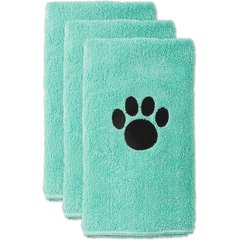
- Wipe your cat’s chin and chest with an absorbent towel to prevent skin irritation from moisture.
Recommended Product
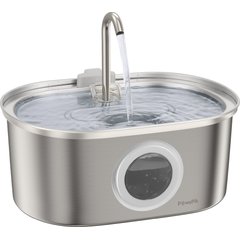
- Offer fresh water or cat broth to clean out your cat’s mouth but never force your cat to eat or drink.
Recommended Products

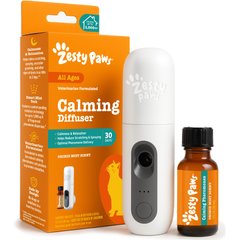
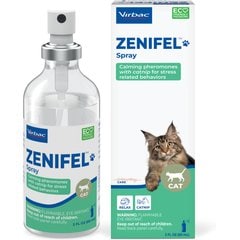
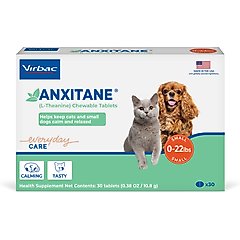
- Keep your cat’s environment calm and quiet if stress seems to be a trigger. Cat pheromones or a calming nutritional supplement may help.
Recommended Products
If you suspect that your cat has been exposed to a toxin, call your vet or Pet Poison Helpline (855-764-7661; a fee applies).
How To Help Prevent Cat Drooling
You might not be able to prevent all cat drooling, but you can keep your cat healthy to give them the best chance at remaining drool-free:
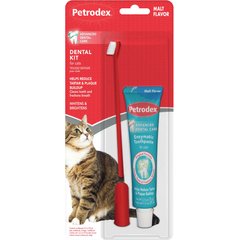
- Brush your cat’s teeth regularly with cat-safe toothpaste and a brush, offer vet-approved dental treats, and stay on top of routine dental cleanings.
Recommended Products

- Keep toxic plants, medications, and household chemicals out of reach.
- Pick up objects that your cat might chew on or swallow.
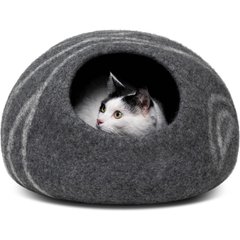
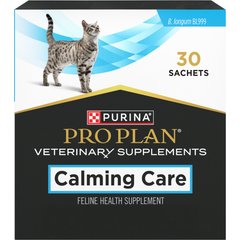
- Reduce stress with a consistent routine, places to hide, and vet-approved calming products if needed.
Recommended Products

- Keep your cat indoors to help reduce the chances of injuries, infectious diseases, and heatstroke. A catio can still give them access to the great outdoors.
Recommended Products


Scheduling veterinary checkups once or twice a year will also help you catch any problems that do develop as early as possible.
FAQs About Cat Drooling
Is drooling uncomfortable for cats?
It depends. A cat drooling from happiness isn’t uncomfortable, but dental disease, nausea, or a mouth injury usually means your cat is dealing with pain or discomfort.
Why does my cat drool when I pet him?
Some cats drool when they’re relaxed and happy. As long as the drooling is mild and something your cat has always done, it’s probably normal.
Is cat drooling a sign of pain?
It can be. Drooling paired with pawing at the mouth, bad breath, a reluctance to eat, or vomiting is often associated with pain in the mouth or stomach.
Why is my cat drooling a lot and not eating?
A cat who is drooling and not eating may be nauseated or experiencing pain in their mouth, throat, or stomach. Schedule an appointment with your veterinarian as soon as possible.
Is foamy cat drool an emergency?
Yes, it can be, especially if it comes on suddenly or is associated with other worrisome symptoms like severe vomiting. Foamy drool can be seen with nausea, toxin exposure, or other serious health problems, so it’s worth calling a vet for advice.