30 Tips To Kitten-Proof Your Home


Photo by Chewy
Kittens! Yes, they are the cutest creatures to ever grace this Earth. But if there’s one thing we know about these little fluffballs, it’s that they are as curious as can be—and will get into just about anything. So if you’re a new kitten parent, it’s important to know how to kitten–proof your home to ensure these cuties stay out of trouble.
Key Takeaways
- Kitten-proofing your home is essential to prevent curious kittens from ingesting dangerous items, falling from high places, or getting trapped in appliances or furniture.
- Common household hazards include toxic plants, dangling cords, plastic bags, small objects, and certain human foods like chocolate, onions, and grapes.
- Secure potentially dangerous areas such as kitchens, bathrooms, garages, and balconies with pet-proofing tools like pet gates, cabinet locks, and cord covers.
- Consulting a certified cat behaviorist can help identify hidden risks and create a tailored safety plan for your home.
How To Kitten-Proof Your Home
In the same way you take safety measures in your home for babies and toddlers, it’s important to know how to cat-proof your house when you’ve got a curious kitten poking around, sniffing things out, scratching, and biting whatever they can find.
“Kittens are inquisitive and do not know better at this point in their lives,” says veterinary behaviorist Wailani Sung, MS, PhD, DVM, DACVB, FFCP, based in Walnut Creek, California. “They will be exploring and getting into all kinds of mischief. Kittens are at the phase in their life where they are going to try things out and learn from those experiences, so pet parents need to help the kittens so they don’t get seriously injured or fall ill.”
We’ve put together a comprehensive guide on kitten-proofing a house to help you keep cats safe in your home.
Throughout Your Home
- Electrical cords: What you know as a source of dangerous electric current, your cat sees as a fun toy. “Electrical cords should be tucked away or covered, as kittens sometimes chew on them,” says Cristy Brusoe, a certified cat behaviorist in Tampa Bay, Florida.
- Plants: Avoid plants such as lilies, which can cause kidney failure, or sago palm, which can cause liver failure when ingested by cats, Dr. Sung warns. Many other plants can also be toxic to cats, so always check before bringing a new plant home.
- Garbage cans: These are full of smells that can attract your curious kitten. However, some of these items are dangerous or toxic to eat. Use a covered, pedal-lid bin or store garbage behind closed doors to keep curious paws safe.
- Rubber bands and strings: Loose items that can pose hazards include hair ties, rubber bands, plastic twist ties, jewelry, shoelaces, electric cords, cords for curtains or blinds, and thread or yarn. “Mainly, these are items that kittens can chew and ingest, causing an intestinal blockage,” Dr. Sung says. Store these items securely in drawers or containers, and use cord covers for blinds and electronics.
- Staircases: Young kittens are (adorably) clumsy climbers and may suffer injuries if they fall down stairs. Block access with pet gates until their little bodies are steadier. Ensure railings don’t have wide gaps where theycould slip through.
- Blinds and drapes: Along with tucking cords and strings away, be mindful of drapes and blinds in general. Kittens may climb them and risk falling. Secure drapes high and out of their reach, choose sturdy materials, and keep blinds fully raised or swap them for pet-safe window coverings.
- Windows and balconies: Curious kittens love perching by windows and exploring balconies, but unsecured screens or railings can lead to dangerous falls, Brusoe says. Check that screens fit tightly, keep windows closed when your kitten is unsupervised, and avoid letting kittens roam balconies.
- Cat toys: Review your cat toys for unsafe pieces that could be removed and swallowed. “At this age, it is important to supervise and offer kittens items that do not have long, dangling parts that they may chew off and ingest, such as fishing pole toys or toys with feathers,” Dr. Sung says.
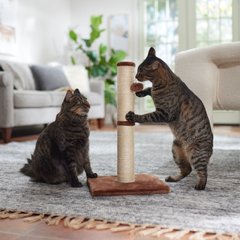
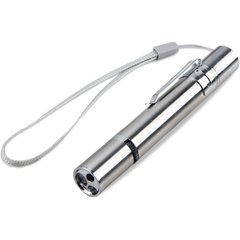
Instead, try cat scratchers (like the Frisco 21-in Sisal Cat Scratching Post with Toy) or fun lasers (like the SunGrow Rechargeable Laser Pointer Cat & Dog Interactive Exercise Toy).
Recommended Products
Living Room and Bedrooms
- Reclining furniture: Any furniture that opens and closes is a hazard to kittens. “Check that the kittens have not crawled into the furniture before you close the recliner,” Dr. Sung says. “Kittens can be killed or suffer severe injury when caught in the mechanism.”
- Rocking chairs: Similarly, Brusoe warns that rocking chairs can accidentally trap tiny paws or tails underneath the moving base. Keep kittens away from rocking chairs until they’re older.
- Tassels, tufts, and beads: Double check all your home decor to ensure they’re kitten-approved. (This is often overlooked when pet parents kitten-proof a home.) Dr. Sung says to check for tufts of string or fabric used as pillow decorations, and tassels on throw blankets or area rugs—all of which can cause an obstruction if ingested.
- Glass and fragile items: Be mindful of fragile items on ledges, which your cat can knock over by accident (or sometimes very much on purpose) and break. Place them higher or completely out of reach, or secure them with museum putty.
- Dog crates: Pet parents should make sure their kitten is never locked into a crate with dogs or left in a room unattended with a dog. “Any interactions between dogs and kittens should be monitored to make sure the dogs are comfortable around the kitten,” Dr. Sung says. Be sure to introduce your new cat to your dog the right way.
Kitchen
- Household cleaners: Many common cleaning products contain chemicals that are toxic to cats. “I recommend storing all cleaners securely, ideally in cabinets with childproof latches,” Brusoe says. “For daily use, switch to pet-safe, fragrance-free cleaning solutions whenever possible.”
- Toxic foods: A number of foods are highly toxic to cats, including onions, garlic, grapes, raisins, chocolate, alcohol, and caffeine. Store food securely, don’t share table scraps, and clean up spills right away.
- Appliances: The oven, dishwasher, and fridge may not seem like a hazard, but kittens can climb in or on these spaces, risking burns or entrapment. Always check before use, keep doors closed, and block access when loading or unloading.
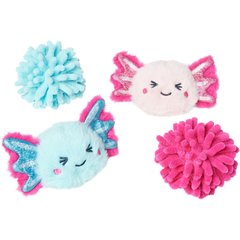
- Wine corks and bottle caps: Both are tempting toys but can be swallowed, causing choking or blockages. Always throw away corks and caps promptly, and provide safe, kitten-friendly toys for batting and chewing, like the Frisco Axolotl Variety Pack Cat Toy with Catnip.
Recommended Product
- Plastic items: Plastic bags and plastic wrap are no-nos for kittens. “Avoid leaving out plastic bags that kittens can chew on and ingest pieces of the bag,” Dr. Sung says. “Depending on the size of the bag, if it gets caught over their heads, the kittens may suffocate.”
- Styrofoam: Some kittens get a real kick out of shredding Styrofoam, but swallowing pieces can cause choking or intestinal blockages. Keep packing materials out of reach and dispose of them quickly in sealed, lidded trash bins.
Bathroom and Laundry Room
- Toilets: This is a very peculiar object in a kitten’s eyes, but it can pose a safety hazard. “Kittens are clumsy and can easily fall in, especially if they’re trying to drink from the bowl,” Brusoe says. “Keep toilet lids closed to prevent accidental slips and keep your bathroom a safer space overall.”
- Cleaning products: Bleach, toilet bowl cleaners, and detergents can burn paws or poison kittens if licked. Always secure cleaning products in cabinets with childproof locks.
- Hair tools: Curling irons, straighteners, and space heaters can cause burns, and their dangling cords are a chewing hazard for kitties. Keep the cords out of reach, and unplug them when they’re not in use.
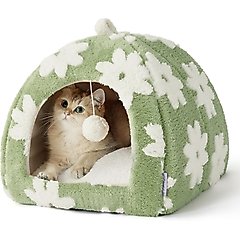
- Washer/dryer: Kittens and cats love being in enclosed spaces, especially if they’re warm and cozy. Brusoe says to always check inside these units before running a cycle, and to leave the doors closed once you’veensured your kitten is not inside. A cat condo makes for a perfect alternative. Try the Lesure 2-in-1 Cat Cave Bed.
Recommended Product
Garage
Generally speaking, the garage is no place for cats and kittens. It’s full of hidden hazards, and driving in and out of the garage puts them at risk of getting underneath wheels.
- Antifreeze: Even small amounts of antifreeze are deadly to kittens, but they’re very attracted to it due to its sweet taste. Store antifreeze securely, clean spills immediately, and never allow pets near garages or driveways where leaks from car engines can occur.
- Paint and solvents: Similarly, these are toxic if licked or inhaled, so keep them sealed tightly and stored on high shelves.
- Nails and screws: These small items can be swallowed, and their sharp edges can cut paws. They also tend to accidentally end up on garage and workroom floors, so double check after any projects and keep these loose items in closed containers.
- Fertilizers and pesticides: These are highly poisonous to kittens and cats if ingested. Again, store them securely and clean up residue.
- Car engines: Cats may crawl under hoods for warmth. If your cat has inadvertently gotten into the garage, double-check they’re not in this “cozy” space. You can also tap or honk the horn to get them out.
- Power tools: Dangling cords and sharp blades pose chewing and injury risks, so keep them unplugged and out of reach.
- De-icing salts: These are harmful if walked on or ingested. Store them out of your kitten’s reach, and make sure to wipe those tiny paws after any accidental exposure.
Taking care of all the above is the best way to approach kitty-proofing your home. It ensures your little fluff ball can explore safely without the risk of household hazards.
Brusoe says to also consider consulting a certified cat behaviorist if you’re unsure where to start or want a personalized safety plan. A professional can walk through your home—virtually or in person—and point out risks you might have missed, helping you feel confident that your space is as safe and enriching as possible.
Attributions