4 Ways to Create a Safe Space for Dogs With Anxiety


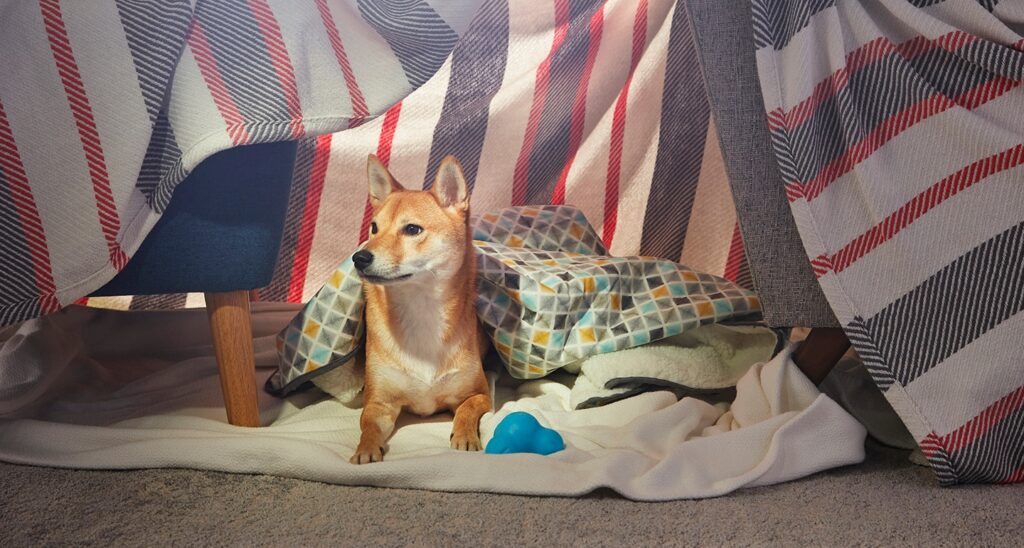
Photo by By Chewy Studios
There are various ways to decrease stress in dogs, but sometimes all they need is the perfect space to relax in. If your dog has anxiety, you can create a special safe space built to their preferences to help calm them down.
Key Takeaways
- Dogs with anxiety benefit from a dedicated safe space tailored to their preferences.
- Enclosed, quiet environments can help reduce stress triggers like noise and visual stimuli.
- Different setups—crates, closets, forts, or low-stimulation rooms—work for different dogs.
- Severe anxiety (like separation anxiety or phobias) may require veterinary support.

4 Types of Safe Spaces to Help Calm Your Dog
The most important part of creating a soothing space for your dog is to recognize what they find comforting. You might think that hanging on the couch next to you is the best way for your dog to weather a storm, but they might prefer to hunker down in an enclosed area where they can be alone.
Below are four safe spaces you can create in your home to help your dog feel safe. The one that will work best for your dog will depend on their preferences.
1. Cozy Crate Corner
Chewy
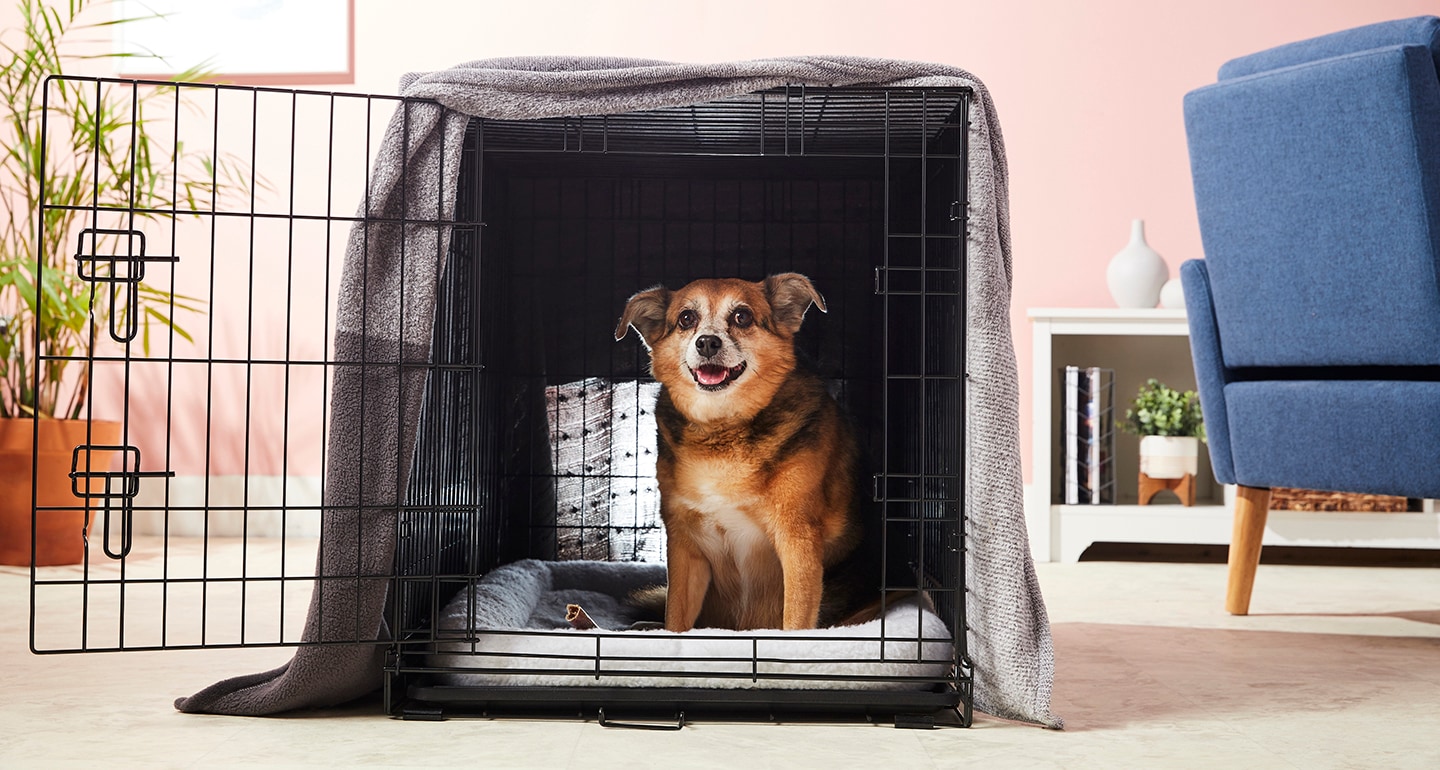
If your dog considers their crate a place of refuge, consider using it as a stress-free cozy corner for when life gets overwhelming.
What You Need
- A dog crate, like the Frisco single door dog crate
- A used blanket with your natural scent on it
- A cozy crate mat, like the Frisco quilted fleece pet bed
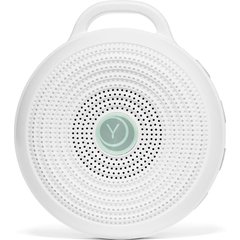
- A white noise machine, like Yogasleep’s sound machine
- A dog toy
Recommended Products
How to Create the Cozy Crate Corner
Place the crate in a quiet part of your house that isn’t too far removed from the action. (The garage or seldom-visited basement aren’t good options.)
Then, cover the crate with a blanket that you’ve used a few times to surround your pooch with your scent. Inside the crate, place an extra-cozy bed that feels like a hug.
Muffle any scary sounds with a white noise machine plugged in near the crate. Draw the blinds, dim the lights and, before you know it, your dog may drift off into a puppy-like slumber.
When they’re not sleeping, give your pup something to focus on while hanging out in their cozy crate, like a chew toy.
If it’s been a while since your dog has been crated, give them time to reacclimate to the crate before you designate it as their “chill zone.” Keep the door open so your dog can go in and out whenever needed.
2. Closet of Tranquility
Chewy
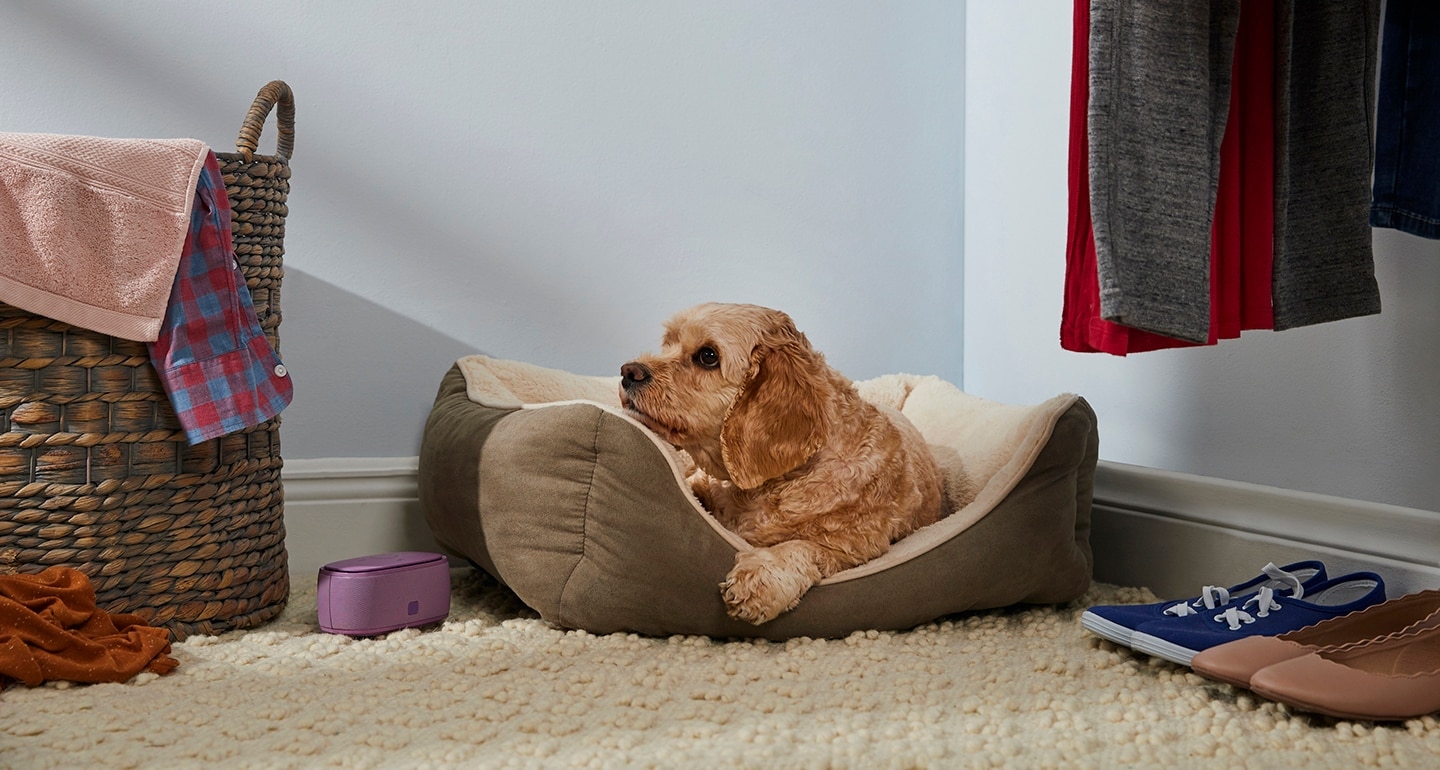
This space is a good fit for dogs who enjoy a den-like environment. If your pup burrows under the bed covers or crawls under the couch when they feel nervous, a special corner in the closet might be exactly what they need.
What You Need
- A dog bed, like the Frisco suede bolster bed
- A speaker
- An audio adapter
- Chewy’s Zen Dog Playlist (See below)
Recommended Product

How to Create the Closet of Tranquility
It’s best for the closet to be away from windows, because when the lights are off, it should feel den-like. Plus, your dog won’t be able to see scary flashes of lightning.
All great calming zones need a bed, so place a dog bed that suits your dog’s size and preferences in one corner of the closet.
Although some thunder cracks are hard to drown out, playing a curated soundtrack near your dog’s spot can help mask the noise. A study of shelter dogs discovered that the dogs were less stressed listening to soft rock and reggae in the shelter.
So, when the thunder gets going, play Chewy’s Zen Dog Playlist for a collection of soft rock classics and easy-listening reggae.
3. Fortified Fort
Chewy
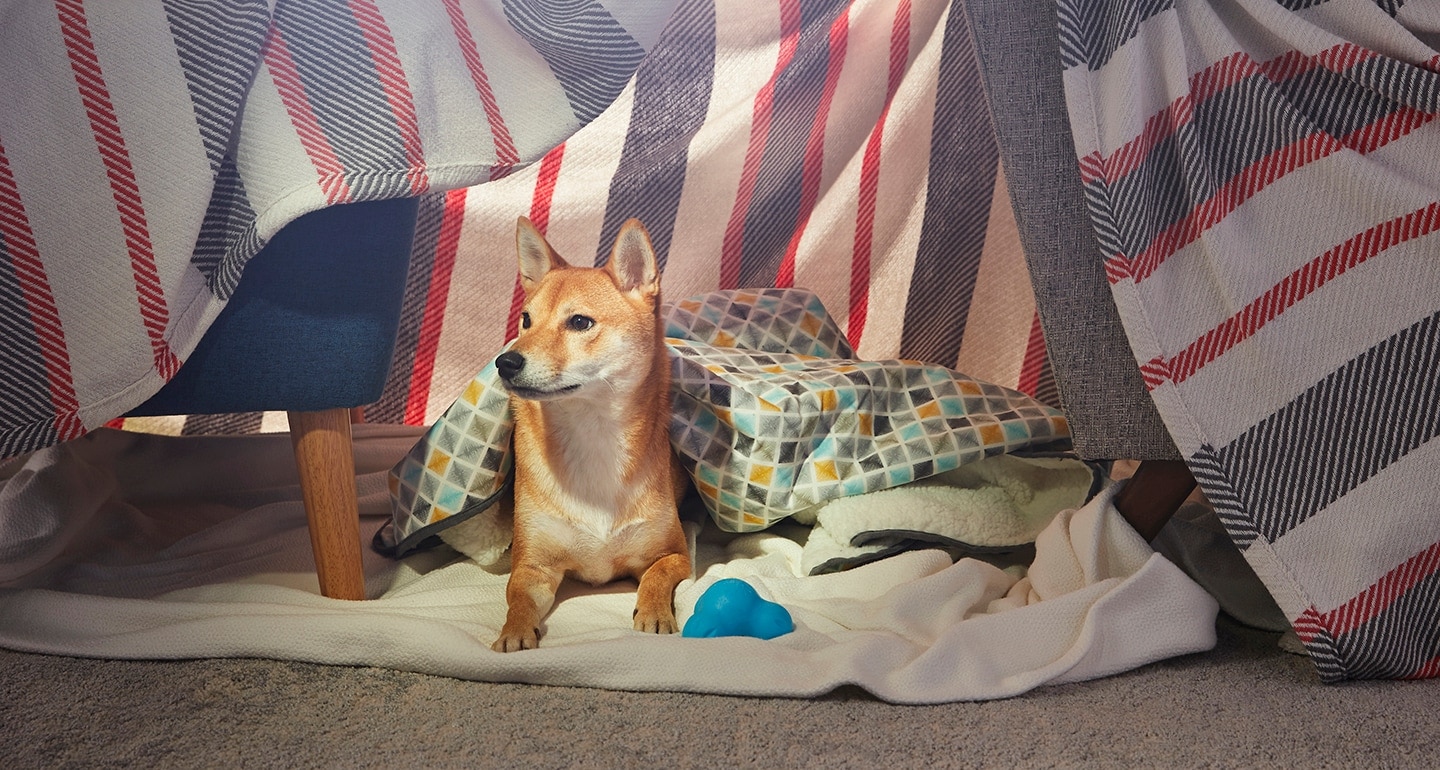
This space might be an ideal fit for rescue or foster dogs who just came home and are nervous about their new environment. Having somewhere to hide that’s still close to new friends can help smooth the transition.
What You Need
- An oversized blanket or sheet
- A dog bed, like Frisco’s Faux Fur Donut Bed
- A dog toy, like West Paw Zogoflex dog toy
Recommended Products
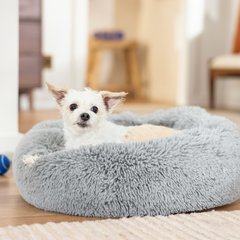

How to Create the Fortified Fort
The main part of a dog fort is an oversized blanket or sheet. It’s crucial for a dog fort to be stable, so pick a spot that’s unlikely to collapse on top of your pup.
For smaller dogs, draping a blanket over a coffee table or end table is a simple way to create this space. Larger dogs might enjoy a blanket draped between the couch and an adjacent chair. The blanket should hang low and surround your dog, butmake sure you leave an obvious exit that doesn’t require your pet to move the blanket to get in or out.
Next, fit a comfortable dog bed inside the tent and give your dog a chew toy.
4. A Room Without a View
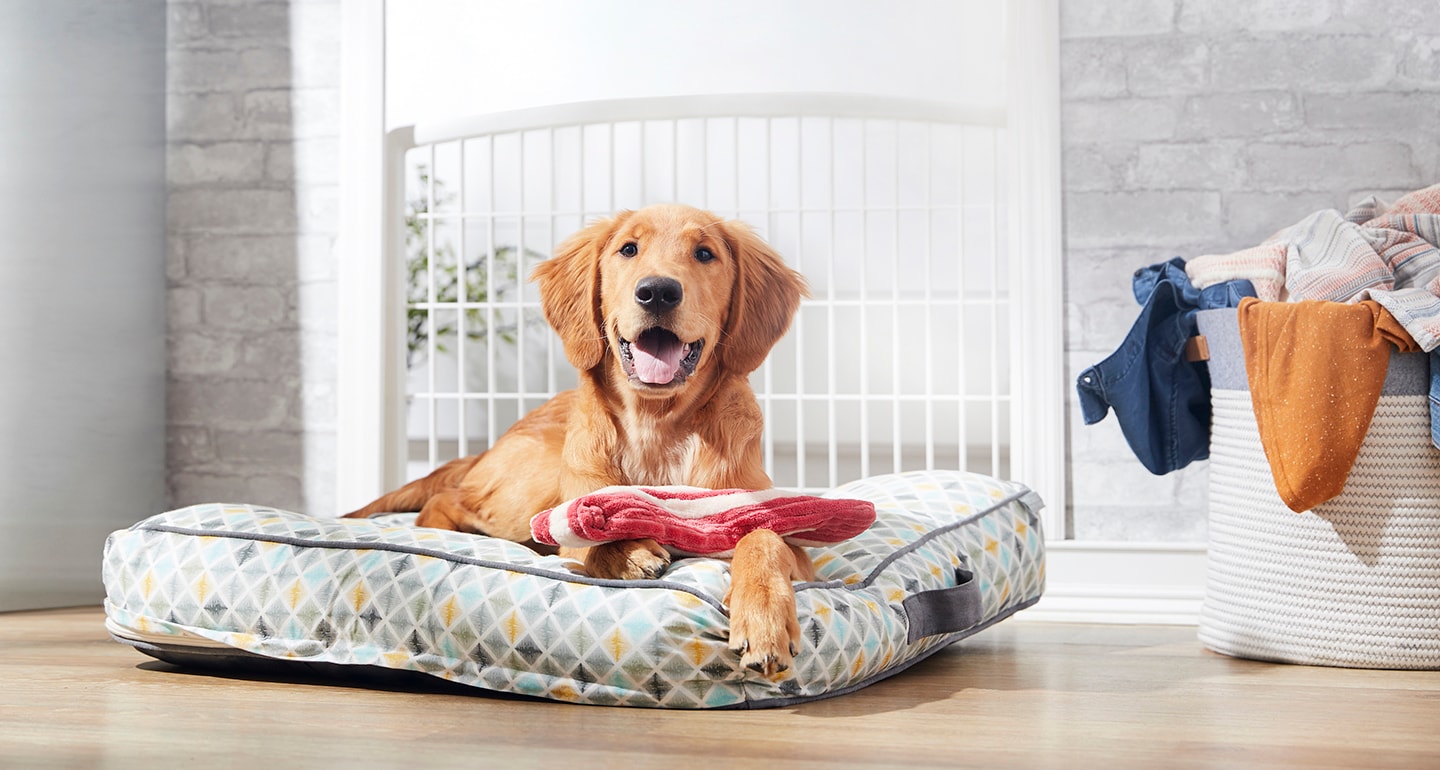
Chewy
This space is ideal for a dog who no longer needs to be crated but might patrol the windows when you’re not around and bark at anyone they see near the house.
It might seem like your dog enjoys keeping tabs on the neighborhood when you’re not home, but many dogs appreciate the opportunity to clock out and relax when alone. Creating a special hangout room for your pooch that doesn’t provide a view of the outdoors can take the pressure off and can encourage them to chill out when you’re not around.
What You Need
- A dog bed, like Frisco’s Farmhouse Gusset Bed
- A dog gate, like the Regalo extra tall walk-through gate
- A white noise machine
- A dog toy like the Outward Hound Grapes Treat Dispensing Toy
Recommended Products

How to Create the Room Without a View
You can use a powder room, a laundry room, or any space that doesn’t give your dog a window view. Instead of shutting the door on your pup, keep it open and use a dog gate to keep them contained inside.
Set up the room with a comfy bed and turn on a white noise machine. Before you leave, set your dog up with a busy toy to keep them occupied until they fall asleep. Just make sure you don’t leave your pet unsupervised with any chew or toy that could present a choking hazard.
Give your dog time to get comfortable in this space before leaving them home alone for an extended period of time. You can start off by putting them in this space and going on a quick errand.
While a safe space can help ease stress in dogs, keep in mind that some stress responses, like severe separation anxiety or thunderstorm phobia, might need the support of a veterinary behaviorist who can prescribe medication and behavioral protocols. Speak with your vet if you’ve noticed changes in your dog’s behavior or if you suspect they have a behavior problem.
Attributions