5 Crucial Tips for Walking a Dog at Night



Photo by fotografixx/E+
There are so many reasons you might need to walk your dog at night: Maybe it’s too hot during the day or you got home from work late. And hey, when they gotta go, they gotta go!
However, walking your dog in the dark comes with some safety risks. Here’s what to know, and how to keep your pup happy and safe on those night walks.
Key Takeaways
- Night walks pose visibility and safety risks for you and your dog.
- Use reflective gear and lights to increase visibility to cars and other people.
- Stick to well-lit, familiar routes, and keep your dog leashed at all times.
- Carry a phone and noise-making safety item, like a horn, in case of emergency.
The Risks of Nighttime Dog Walks
Even though it often makes sense to walk a dog at night, doing so carries some risks.
“Visibility is naturally lower at night, which makes it harder for you and your pet to see threats coming your way, and makes it harder for people walking or driving to see you and your pet,” explains Danielle Rakestraw, training and behavior specialist at Best Friends Animal Society, which is headquartered in Kanab, Utah.
“Predators—including coyotes, birds of prey, and foxes—often hunt at night as well, which can be particularly dangerous for small dogs.”
She adds that your pet may also be on higher alert at night due to the aforementioned threats, which could lead to added reactivity to triggering stimuli, such as other animals, people, or loud noises.
5 Tips for Safely Walking Your Dog at Night
So, how do you keep your pup out of harm’s way on nighttime walks? These steps can improve your visibility and keep you both safe.
Select Familiar, Well-Lit Routes
First and foremost, stay on a path you know well and that’s ideally lit, says Erin Askeland, animal health and behavior expert at, Camp Bow Wow, which has locations nationwide and is headquartered in Colorado. “Try to walk in areas that have decent streetlights and stick to familiar areas,” she says. “Nighttime isn’t the time to explore new areas.”
She adds that “though sniffing is generally a great thing for pups to do on walks, when you walk in the dark, avoid letting your dog stray off the path to explore or sniff areas you can’t see—just in case there’s something on the ground you don’t want them to get into.”
Always Use a Harness and/or Leash
You’re probably already doing this in the daytime, but it’s especially important at night. Even if your dog is well trained and has excellent recall, make sure you always keep them leashed.
Askeland recommends using a standard 6-foot dog leash, rather than a longline or retractable lead, so you can keep your pup close and see where they are at all times.
Recommended Product
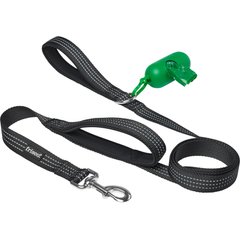
Use Light-Reflecting Gear
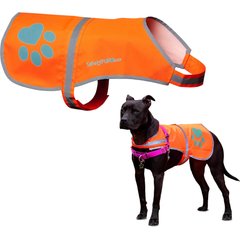
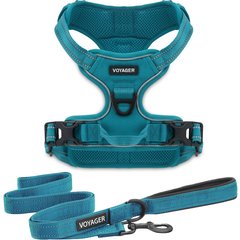
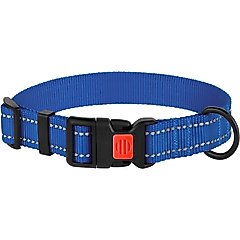
You and your dog should always wear high-visibility equipment while walking at night. “Reflective vests, harnesses, leashes, and collars will ensure that others—especially those in vehicles—can see you coming,” Rakestraw says.
Recommended Products

Stay Alert and Reduce Distractions
It’s tempting to scroll on your phone, or listen to music or a podcast while you walk. However, it’s best to keep distractions to a minimum when walking a dog at night, Askeland says.
Carry Safety Equipment
As a precaution, bring safety equipment with you on nighttime dog walks, including an air horn to defend yourself and your pet from wild animals or stray dogs, Rakestraw says. Bring your phone as well in case you need to reach out to someone.
Must-Have Night Dog Walking Gear
Using lights and reflective gear for dog walking is one of the most important ways to keep safe while walking dogs in the dark. Reflective items increase your visibility dramatically, and lights do that while also helping you see the path ahead. Here are some options to consider.
- Reflective harness or vest: A reflective dog harness or vest reflects light from oncoming traffic, flashlights, and headlamps.
- Reflective leash or collar: Similarly, a reflective dog collar or leash lights up your pet’s long leash so you can keep track of where they’re wandering. We recommend a short leash for night walks.
- Dog walking lights: These work both as an alternative or in addition to reflective dog gear. You can find fun options, like the Nite Ize NiteHowl Mini Rechargeable LED Safety Necklace Dog Collar or the Blazin LED USB Rechargeable Nylon Dog Collar.
Recommended Products


- Headlamp: A headlamp like you’d use for camping or working in dark spaces is also a good item to wear on night walks. It lights the path ahead, and keeps your hands empty so you can better hold your leash and other gear.
- Safety items: Along with your phone and reflective items, keep safety gear like a horn on hand in case you need to scare away an animal or get attention.
FAQs About Walking Your Dog at Night
What time should I walk my dog at night?
This varies according to your dog’s schedule, but a sweet spot is usually between 7:30 and 9 p.m. This is late enough for your dog to wind down before bed (and also enjoy some cooler weather in the summer), but not so late that it disrupts your sleep or puts either of you in unsafe conditions.
Do dogs prefer day or night walks?
This really depends on the dog. Generally, dogs have better night vision than humans do, but that doesn’t mean all dogs prefer evening walks. Some dogs are afraid of the dark, while other dogs enjoy walking at night when the weather is cooler and there are fewer people out and about. When taking your dog for a nighttime walk, pay close attention to their reactions to the world around them.
Why does my dog refuse to walk at night?
Some dogs simply don’t enjoy being in the dark. This might be due to the decreased visibility, the weather, the sounds of predators moving through the shadows, or even a past traumatic nighttime experience.
Attributions