Brumation: What It Is and Why Lizards Do It


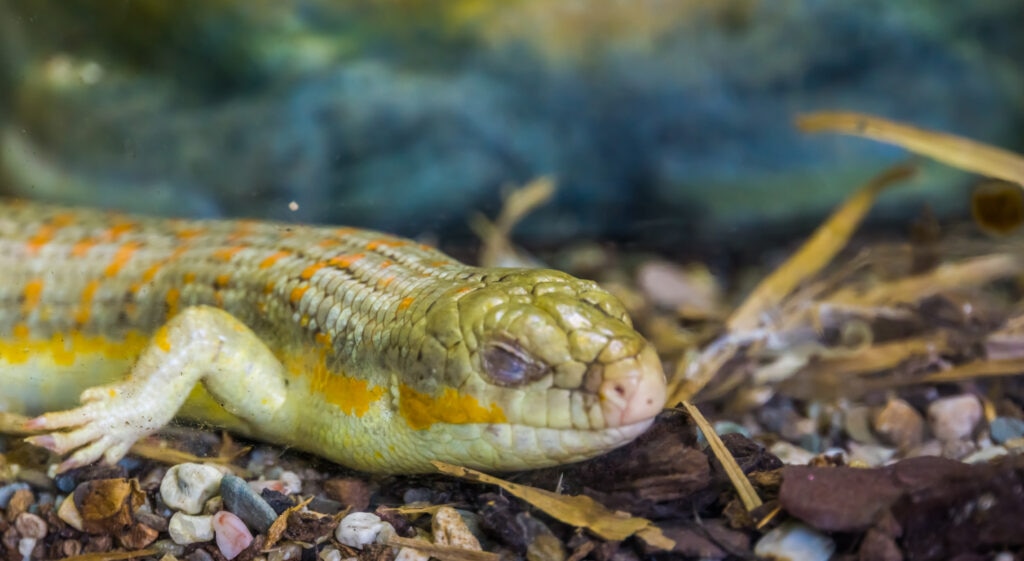
Photo by Charlotte Bleijenberg/iStock/Getty Images Plus
Lizards are cold-blooded, meaning they can’t regulate their body temperature the same way as a mammal can. They need the sun’s warmth to support their body’s functions such as digestion, circulation, and reproduction.
Sometimes a lizard may brumate when it’s too cold—a state of dormancy similar to hibernation, with a few key differences.
Key Takeaways
- Brumation is a dormant state that lizards may enter when located in a cold climate.
- Brumation is a normal part of many lizards’ life cycles.
- Some lizards need to undergo brumation to get ready for breeding season.
What Is Brumation?
Brumation is a method some reptiles use to survive cold seasons because they can’t regulate their body temperature internally. You may hear someone say that their pet lizard is hibernating, but that isn’t biologically accurate—brumation is a different process.
A hibernating animal lives off the fat stores they developed during the spring and summer. They stay snug and warm while they sleep in their burrow until spring returns.
Reptiles like lizards don’t have fat stores. Instead, they store glycogen (a type of glucose) in their cells, and their winter behavior is a little different. Their breathing becomes slow and shallow, and their heart rate slows to just a few beats per minute.
A brumating lizard may still respond to touch, sound, or light. Most also wake up to sunbathe or get a random drink of water during brumation.
Why Do Lizards Brumate?
Lizards are ectothermic reptiles who can’t maintain their body temperature without help from the sun and ambient air temperature. All of their digestive and healing processes depend on the warmth they find in their surroundings. Without heat, their food rots in their digestive system and that can cause illness or death. So nature’s solution is brumation.
Brumation is an evolutionary adaptation that allows cold-blooded animals like lizards, snakes, and turtles to survive cold winters and times when food is scarce. Lizards and other reptiles respond to shorter amounts of daylight, cooler temperatures, or food shortages by finding a safe place to rest for a while.
Even though indoor reptile enclosures maintain steady temperatures most of the year, some pet lizards may still brumate because even subtle changes can affect their hormones. Those hormonal changes make your pet lizards eat less so they can brumate on an empty stomach. That way they won’t have any undigested food in their bodies.
Which Lizards Brumate?
Lizards who come from regions with cooler winters are more likely to brumate. Tropical species haven’t evolved to brumate in the wild, so they usually don’t when kept as pets either.
Even if your pet lizard species brumates in the wild, they may not as a pet. The process is triggered by seasonal and environmental cues they may never experience in a climate-controlled enclosure.
Lizards that commonly brumate in the wild include:
- Bearded dragons
- Leopard geckos
- Crested geckos
- Blue-tongue skinks
- Uromastyx
- Green anoles
- Tegus
- Desert monitors
- Parson’s chameleons
- Cape dwarf chameleons
Is Brumation Safe for Pet Lizards?
Even though brumation is a normal and generally safe part of a healthy pet lizard’s winter behavior, there are situations when it should be prevented.
If your lizard is obviously sick, it’s important to prevent brumation. However, illness isn’t always apparent, so it’s important to have your scaly friend examined regularly by a reptile veterinarian who can rule out parasites and underlying health issues that would also warrant brumation prevention.
Other reasons your lizard should not brumate include:
- Age: Brumation can be risky for very young or very old lizards. Their bodies aren’t always robust enough for 12 weeks of not eating.
- Weight: Underweight lizards can’t go months without eating.
- Infection: Reptiles are slow to show symptoms. They also take much longer to clear the infection.
Signs Your Lizard Is Brumating
Some lizards, like bearded dragons and Parson’s chameleons, may decide they need to brumate with or without your help. If you notice them slowing down or acting a little sluggish, a brumation cycle may be in your pet lizard’s future very soon.
Signs your lizard may begin to brumate or is actively brumating include:
- Reduced appetite or complete fasting
- Increased sleeping or hiding
- Less active, not interested in you (they might even be cranky)
- Less interest in basking, and staying on the cool side of their habitat
- Reduction in bowel movements
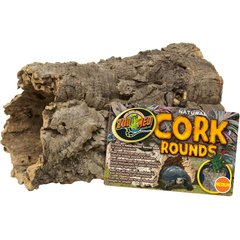
Most brumating lizards will hide in a dark area, such as a hide, where they feel secure.
Recommended Products

The key thing to remember about brumation is that lizards maintain normal body condition and occasionally move around or drink water. However, certain symptoms signal a problem rather than brumation.
Schedule an appointment with your exotic veterinarian immediately if you notice:
- Sudden lethargy
- Weight loss
- Sunken eyes
- Discharge from eyes, nose, or mouth
- Swollen jaw or joints
- Mouth breathing
When Does Brumation Usually Happen?
Because it’s tied to their ectothermic bodies, brumation is usually seasonal for lizards and other reptiles—if they’re going to brumate, it will be during the fall through winter.
Whether your lizard brumates depends on their age, overall health, and habitat. If your pet lizard’s enclosure is very stable, it’s less likely to trigger the cycle, but it still varies from lizard to lizard.
How To Care for a Brumating Lizard
When your pet lizard goes into brumation, don’t panic. You can keep their enclosure a little cooler than usual and try to replicate the temperatures they’d find in their native habitat. Also, mimic shorter winter days by gradually decreasing their daylight hours over a couple of weeks.
During brumation, check on them weekly to make sure they’re not losing too much weight and are still breathing normally, if slowly. After they’ve been napping for a while (up to 12 weeks), start bringing their enclosure back up to normal temperature and daylight ranges to simulate spring.
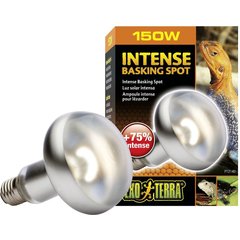
All reptiles stop eating during brumation because their bodies aren’t warm enough to support digestive processes, so don’t worry if they ignore food. Keep their water fresh, always have a basking light available, and avoid handling them if possible.
Recommended Product
Remember, they’re trying to rest, and nobody likes being constantly poked and prodded.
Should You Let Your Lizard Brumate?
If your lizard species brumates in the wild, letting them brumate as a pet is natural.
In some species, the post-brumation warm-up causes a hormonal shift that triggers breeding behavior, including territorial displays from males and ovulation in females.
Remember, very young lizards should not brumate. In the wild, babies hatch in the summer, so there’s plenty of time for them to build up glycogen stores to survive the winter.
Additionally, if your lizard is underweight, sick, or very old, brumation can be dangerous and you should talk to their vet.
Although brumation looks a little scary at first, it’s nature’s way of helping lizards survive when it’s too cold. Whether or not you let your scaly pal brumate depends on their age, weight, and overall health—when in doubt, check with your vet.
With good care and careful monitoring, brumation can be a safe, natural part of your lizard’s life.
Attributions