Uromastyx Care Sheet


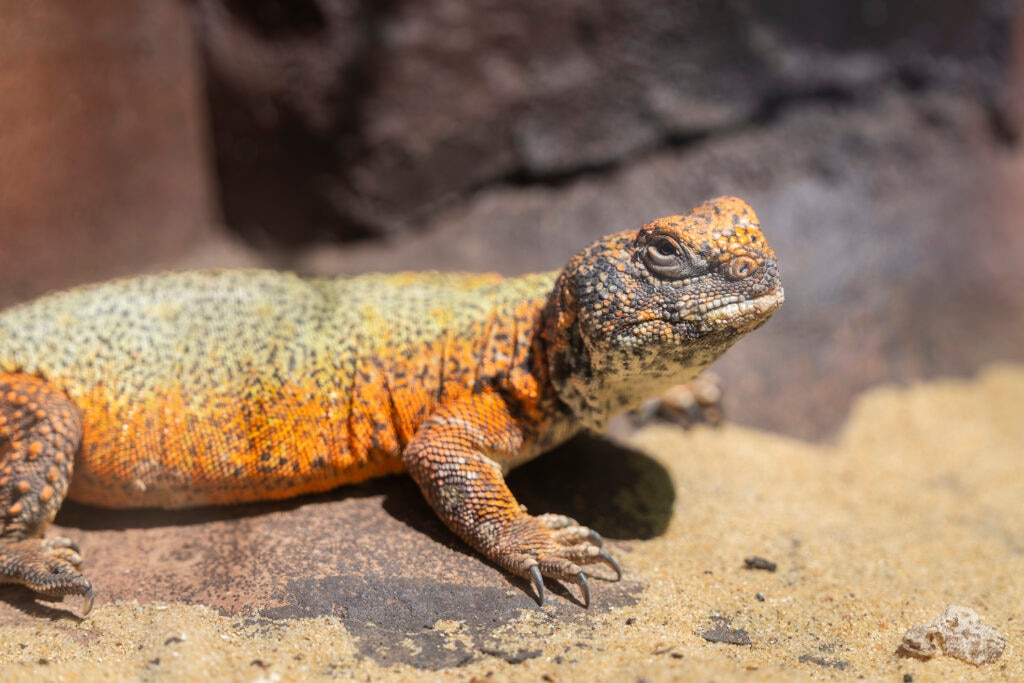
Photo by Kaja Hiis/iStock/Getty Images Plus
The uromastyx is also called the spiny-tailed lizard. If you’re considering getting a uromastyx, ensure you have everything ready to provide your new pet with a long and healthy life.
Uromastyx Overview
- With proper care, a uromastyx can live 15–20 years.
- The spiny-tailed lizard is an herbivore that primarily eats high-fiber plants, leaves, and occasional fruits.
- Uromastyx lizards need more care and attention than other species and are best for experienced reptile keepers.
Fun Facts About Uromastyx Lizards
- Their long, spiny tails help deflect predators.
- They have beautiful, colorful scales, and can grow up to 30–36 inches long.
- Uromastyx lizards prefer a substrate that encourages them to dig and hide.
Uromastyx Habitat
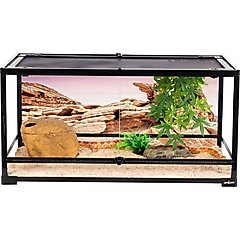
Get your single uromastyx a 40+ gallon terrarium. The tank should be large enough for your lizard to move freely and exercise comfortably. If you’re unsure of a size, always go for the larger habitat. It should have a secure mesh top so your uromastyx can’t escape.
Recommended Products

If you plan to keep multiple uromastyx in one habitat, size up accordingly. Keeping multiple uromastyx in the same habitat is OK as long as you follow some general guidelines. Males shouldn’t be housed together because they tend to fight. Males and females will breed if kept together. Do not keep uromastyx with other species.
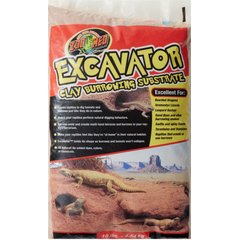
Add substrate they can dig in and hide.
Recommended Product
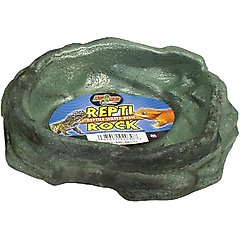
Uromastyx get most of their water via proper food (leafy greens and high-fiber plants like cactus). A water dish is always important, but mainly to have as a backup for drinking water.
Recommended Products
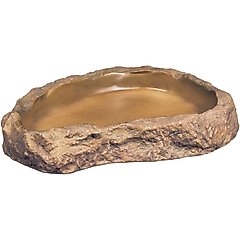
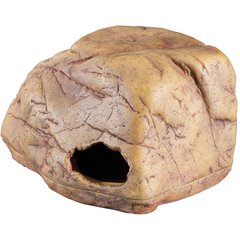
Decorate your uromastyx habitat with their needs in mind. There should be two hiding spots for your pet, one on the warm end and one on the cool side of the terrarium. Also, provide them with a basking area and climbing branches, allowing them to climb and bask as they please.
Recommended Products


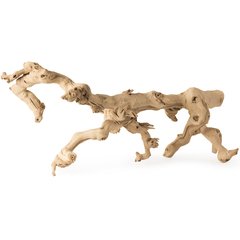
Add a temperature gradient to their habitat to ensure your pet’s temperature is regulated. On the cool side, their habitat should be around 77–85 F. The warmer side should be 90–100 F, and there should be a basking spot that’s around 115–125 F.
Recommended Product

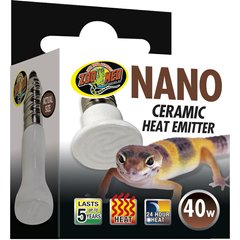
Temperatures at night should not be below 65 degrees F. If there’s a chance the temperature could drop, add a ceramic heat emitter or another non-light-emitting heat source.
Recommended Product
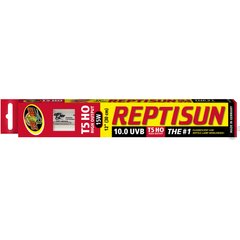
Some light sources also provide heat, which helps warm your pet while providing necessary lighting. Uromastyx require 10–12 hours of UVB light every day.
Recommended Product
These lizards also need low humidity—as low as 20% for some species. You can check humidity levels with a special gauge.
Recommended Product

Habitat Maintenance
Spot-clean the terrarium daily by removing any leftover food and soiled materials. Wash water and food dishes every day and clean the habitat thoroughly once a week.
To fully clean your uromastyx habitat, follow these steps:
- Move your uromastyx to a secure environment.
- Take out all the old substrate, decor, and accessories.
- Scrub the tank with a reptile habitat cleaner or 3% bleach solution. Leave the solution on the habitat for 10 minutes, then thoroughly rinse with water—you’ll know it’s all gone when there isn’t any residual odor from the bleach solution.
- Allow the habitat to completely dry before lining it with fresh substrate and putting back the decor, accessories, and food dishes.
- Return your pet to the habitat.
Uromastyx Diet
Uromastyx are herbivores, so they need a plant-based diet. Approximately 75–90% of their diet should consist of dark, leafy greens, with an additional 5–10% incorporating other vegetables.
Juveniles should eat every day, while adults should get a meal four to five times a week.
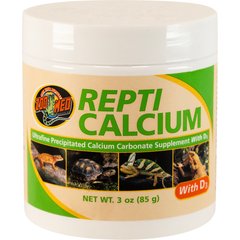
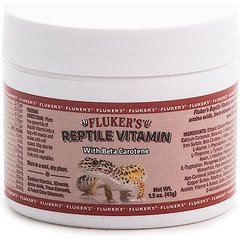
Add supplemental calcium and vitamins to their diet to ensure it’s properly balanced. You can easily give these supplements by sprinkling the powder over their food before feeding.
Recommended Products
How To Hold a Uromastyx
For the most part, uromastyx are comfortable being held and enjoy human company. Many are docile, but sometimes they can become skittish if they aren’t comfortable.
Different species vary in personality—Egyptian and Moroccan uromastyx tend to be shyer, while ornate uromastyx are bolder.
Uromastyx can become aggressive during shedding, so minimize handling during this time.
Uromastyx Health
Take your uromastyx to a reptile veterinarian annually. Take pictures of their habitat, heaters, lights, accessories, and food so your vet can assess their entire living space and diet during the exam.
Make sure you know what a healthy uromastyx looks like, including:
- Bright and alert personality
- Clean vent, eyes, and skin
- Interest in climbing and basking
Call your vet if you notice anything out of the ordinary, such as:
- Eyes that are stuck shut, swollen, or sunken
- Stuck shed (dysecdysis)
- Discharge from the eyes or vent
- Refusing food or decreased appetite
- Lumps, bumps, or irregular swelling
- Pink ulcerations or other skin lesions
- Lethargy or abnormal movements
- Not basking
Uromastyx Supply Checklist
Before you bring your uromastyx home, make sure you have all your supplies at the ready, including:
- Appropriately sized habitat
- Substrate
- Food and water dishes
- Climbing decor
- Heat lights and fixtures, including UVB lighting
- Calcium and vitamin supplements
- Thermometers
- Humidity gauge
FAQs About Uromastyx Lizards
How long do uromastyx live?
With proper care, uromastyx can live around 15–20 years.
How big do uromastyx get?
Uromastyx can grow to 30–36 inches long.
Are uromastyx good pets?
Uromastyx are great pets for experienced reptile keepers, but not ideal for beginners.
Do uromastyx need water?
They get most of their water from their diet, so make sure to provide a diet mainly of fresh dark leafy greens. In a big enough enclosure, a water dish can be provided to add a drinking option if needed.
Do uromastyx eat bugs?
Some species will consume bugs as babies or juveniles but quickly switch to a strictly herbivorous diet.
Do uromastyx like to be held?
In many cases, uromastyx enjoy being held, but they might be skittish until they trust you.
Click here for a printable PDF version of this care sheet!
Attributions