Green Iguana Care Sheet


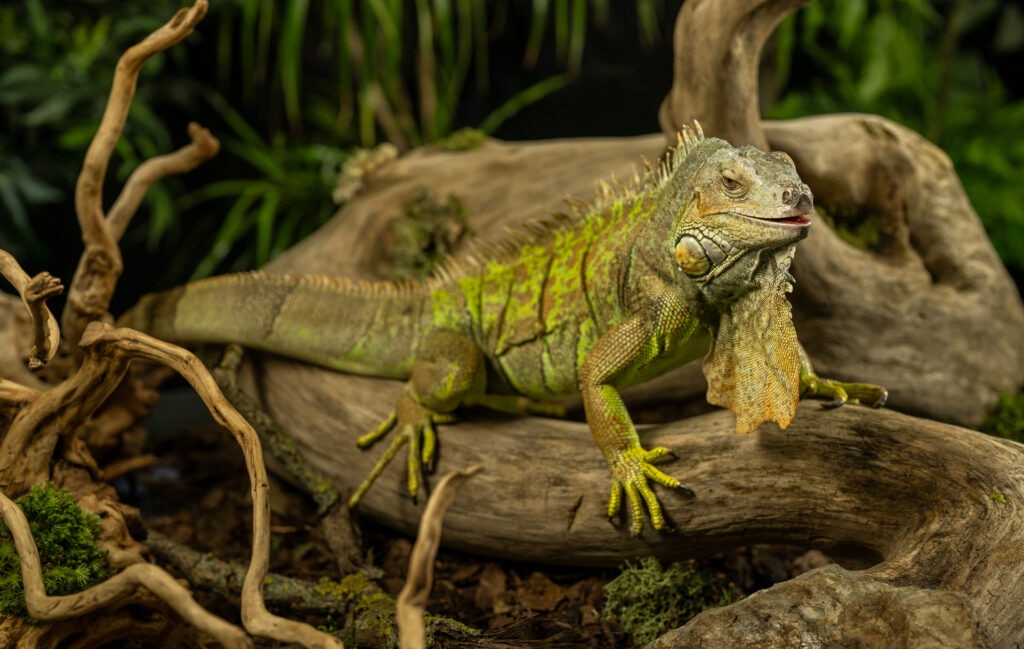
Photo by janiecbros/E+
Green iguanas are among the most popular reptile pets. They’re friendly and smart, and respond well to their caretakers over time. If you’re thinking about getting a green iguana or you recently got one, here’s everything you need to know.
Green Iguana Overview
- Native to tropical regions, the green iguana is all over the Americas.
- With proper care, green iguanas can live 15 years or more.
- Green iguanas love climbing, so enclosures need plenty of vertical space.
Fun Facts About Green Iguanas
- Green iguanas bob their heads to communicate with each other.
- These iguanas regularly shed and need lots of humidity to maintain healthy shedding cycles.
- Green iguanas may look fierce, but they don’t bite unless it’s in self-defense.
Green Iguana Enclosure
Iguanas need custom-screened enclosures and should not be kept in a tank. If you plan on building your own habitat, make sure it’s at least twice as long as your iguana’s body length. Always build the largest habitat possible for your iguana.
Line the bottom of the habitat with appropriate substrate, such as pelleted paper bedding or alfalfa pellets.
Recommended Products
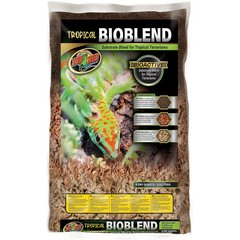
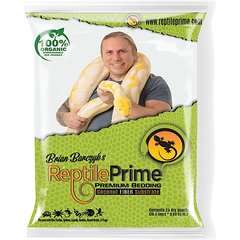
Don’t use wood chips, mulch, or sand as substrate because these can cause gastrointestinal obstruction if your green iguana eats them.
Keep male green iguanas individually in their own habitats. Females can stay in the same enclosure as long as they are properly introduced. Unless you plan on having your iguanas breed, don’t keep males and females in the same habitat.
Decor and Accessories
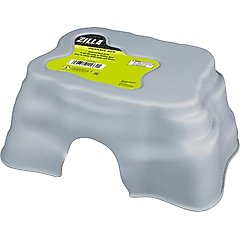
Green iguanas love hiding places. Hideaways give them safety, security, and a place to avoid stress. You can create a hiding area with fake branches and leaves, or get a hideout cave that fits your setup.
Recommended Products
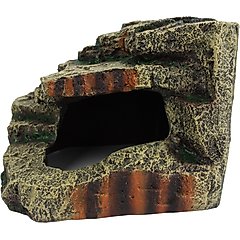
Add plenty of branches of different sizes to encourage your green iguana to climb and explore. Avoid placing branches near heat sources, because your pet could get burned.
Recommended Product

Temperature and Lighting
Enclosures should have a warm end set at 100–120 F. A cooler side should also be available around 80 F. Make sure temperatures don’t drop below the low 70s F at night.
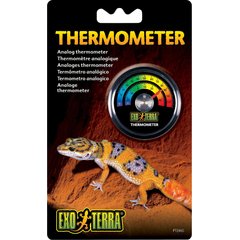
Check temperatures daily by having two thermometers in the enclosure, one on the warm side and one on the cool side.
Recommended Product
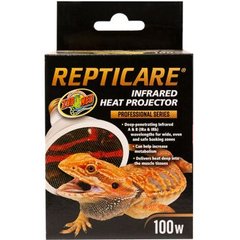
You can use an incandescent light or a ceramic heat emitter to heat your enclosure and create a basking area for your green iguana. Avoid hot rocks, as they can get too warm for your pet.
Recommended Product
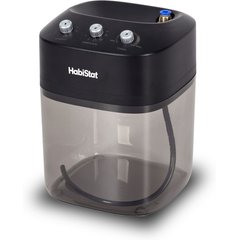
Green iguanas need high humidity to have healthy shed cycles and a strong respiratory system. Keep humidity levels between 70–90%, and monitor levels with a hygrometer (humidity gauge). Add a water mister to the habitat and provide a large, shallow bowl of warm water for soaking.
Recommended Product
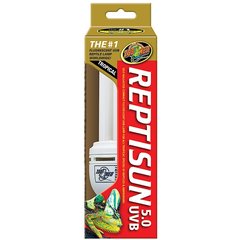
Your pet needs ultraviolet exposure every day. To increase their exposure, add 5.0 UVB light for 10–12 hours daily. Replace the bulb every six months or so because its potency wanes over time.
Recommended Product
Cleaning and Maintenance
Spot-clean your pet’s habitat daily by removing soiled materials and leftover or discarded food. Thoroughly clean the enclosure once a week.
To clean your iguana enclosure, move your pet to a secure environment and then remove old substrate, decor, and accessories from the habitat.
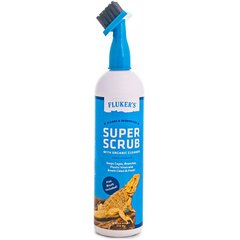
Scrub the tank and decor with a 3% bleach solution or a reptile habitat cleaner like this one from Fluker’s.
Recommended Product
Leave the solution on the habitat for at least 10 minutes to make sure it is properly disinfected.
Rinse the tank and accessories thoroughly to remove the smell of the cleaning agent. Make sure everything is completely dry before putting in fresh substrate and the clean decor and accessories.
After everything is in place, return your iguana to their enclosure.
Green Iguana Diet
Dark leafy greens such as collards, spinach, dandelion greens, and turnip greens should make up about 70% of your green iguana’s diet. Other vegetables, such as squash, cabbage, and broccoli, should make up about 20% of what they eat.
Fruit should make up no more than 10% of your green iguana’s diet. Because fruits are high in carbohydrates and sugar, give them as treats. Look for reptile-safe fruits like mangos, strawberries, and bananas.
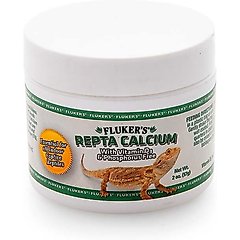
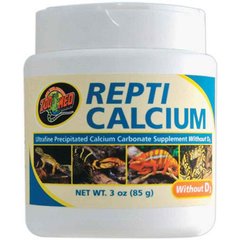
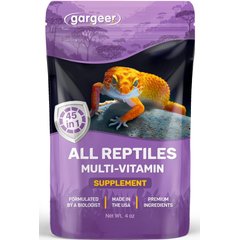
Add three supplements to their food: calcium with D3 to be used sporadically (every three to four weeks) if using proper UVB light, calcium without D3 (once weekly) and a multivitamin that’s formulated for reptiles (once weekly)
Recommended Products
Discard old or uneaten food after 10 hours.
Reptiles can obtain water through their cloaca and nostrils, so keep water available in a shallow bowl.
How To Hold an Iguana
Your green iguana may like being held once they are comfortable with you and trust their environment.
Lift your iguana and support their entire body to make sure they feel secure. Pay attention to how your pet responds when you handle them. If they feel threatened or startled, they may bite.
Be mindful when holding your iguana during shedding. These animals tend to be more sensitive and stressed during shedding and may prefer not to be handled.
Iguana Health
Green iguanas should be taken to a veterinarian once a year for an annual checkup. At the visit, you should expect the vet to perform a physical exam, fecal testing, and blood work if necessary.
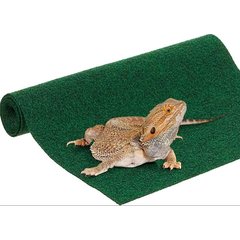
You can take your iguana to the vet in a secure pet carrier lined with towels or reptile carpet.
Recommended Product
On an everyday basis, carefully watch your iguana to ensure they are healthy, with clear, clean eyes, a good appetite, and clean nostrils and skin.
If your pet has stuck shed, diarrhea, swelling, lumps, or decreased appetite, contact your vet right away, as these could be signs of more serious problems.
Green Iguana Supply Checklist
Before bringing your green iguana home, make sure you have all your supplies ready for them, including:
- Appropriately sized habitat and substrate
- Food and water dishes
- Fresh food, including dark leafy greens and other vegetables
- Multivitamin, vitamin D, and calcium supplements
- Climbing decor, hideouts, and plants
- Heat lights and fixtures
- UVB lighting
- Under-tank heater paired with a thermostat
- Thermometers (at least two)
- Hygrometer
FAQs About Green Iguanas
Is a green iguana a good pet?
Green iguanas are not a pet for everyone, but rather a specialty pet that should only be kept by people with proper experience. They’re easy to care for but get quite big and live fairly long.
Can green iguanas be kept together?
Female iguanas can live together as long as you’ve properly introduced them. Males should not be kept together.
Do green iguanas eat meat?
Green iguanas are herbivores and don’t eat meat.
How big of a tank does a green iguana need?
Iguanas should not be kept in tanks. All iguanas need a large wire mesh or screened enclosure.
What is the lifespan of a green iguana?
Green iguanas can live 15 years or more with proper care.
Click here for a downloadable PDF version of this care sheet!
Attributions