Green Tree Frog Care Sheet


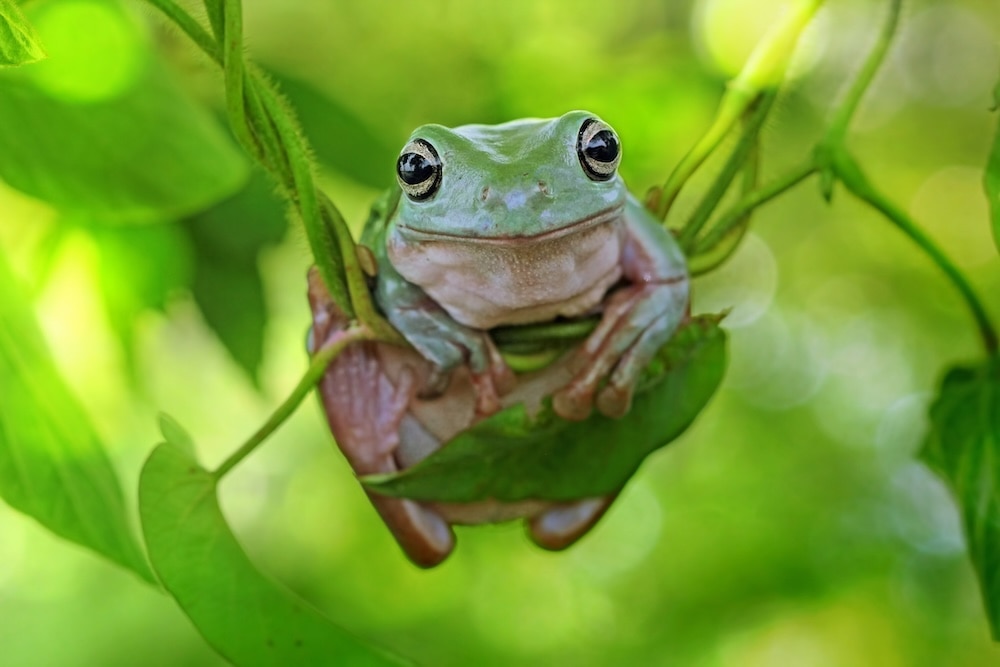
Photo by agus fitriyanto/iStock/Getty Images Plus
Green tree frogs are small amphibians that live in the Southeastern United States. They are one of many types of frogs who make wonderful pets. If you are considering getting a pet green tree frog or you’ve recently gotten one, here’s everything you need to know about caring for them.
Green Tree Frog Overview
- These frogs are quite small, only reaching 1–3 inches long.
- Green tree frogs are cold-blooded, meaning they rely on external heat to regulate their body temperature.
- With proper care, green tree frogs can live 6 years or longer.
Fun Facts About Green Tree Frogs
- Green tree frogs are nocturnal and are most active at night.
- These tiny frogs are social and enjoy living together in small groups.
- They love to climb and need a space that’s tall enough to explore.
Green Tree Frog Habitat
Green tree frogs need at least a 20-gallon tank. Because they are social and like to live in groups, you can house up to four frogs in this size enclosure, and size up accordingly if you have more than four.
Recommended Product
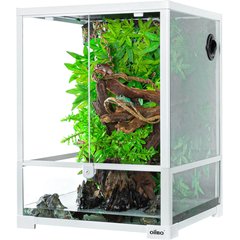
Frog tanks should be taller than they are wide to give your pets enough space to climb vertically. The enclosure should be well-ventilated, with a secure screen lid so your pet won’t escape. Whenever you can, give your frogs the largest tank possible.
Line the bottom of the tank with coconut fiber or damp sphagnum moss to help keep your frog’s delicate skin moist.
Recommended Products
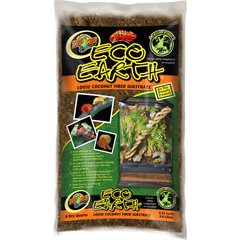
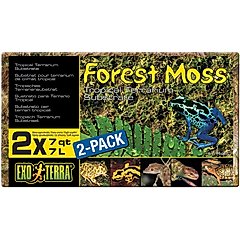
Don’t use reptile carpet, artificial turf, bark pieces, or gravel, as these are harmful to green tree frogs.
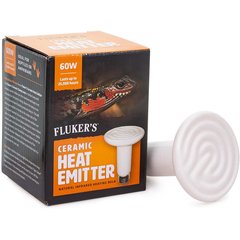
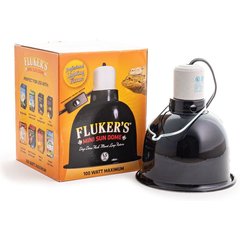
Your frog needs at least 10–12 hours of light each day, as well as 10–12 hours of UVB light. You can install a low-wattage incandescent bulb, an under-tank heating pad, or a ceramic heat emitter that provides both light and heat for your green tree frog.
These frogs also need humidity maintained between 70–90% and monitored with a hygrometer (humidity gauge).
Recommended Products
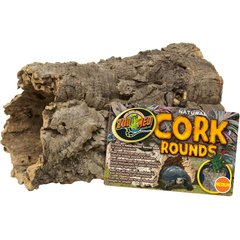
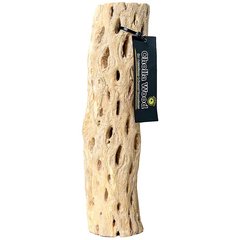
Add live and artificial plants throughout the tank, along with other decor that your frog can use for climbing. Choose products made of safe materials, like driftwood and cork bark.
Recommended Products
Give your green tree frog at least two hiding areas—one on the cool side of the tank and one on the warm side. At nighttime, a green tree frog’s habitat should be 65–68 F; during the day, temperatures should be 72–80 F.
Providing hideouts also gives your frog the chance to regulate their body temperature and get some privacy.
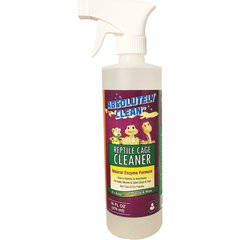
Spot-clean the enclosure daily by removing discarded or uneaten food (including insects) and droppings. Disinfect food and water dishes daily. Thoroughly clean your frog’s tank at least once a month, using an amphibian-safe habitat cleaner or a 3% bleach solution.
Recommended Product
What Do Green Tree Frogs Eat?
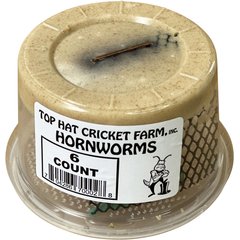
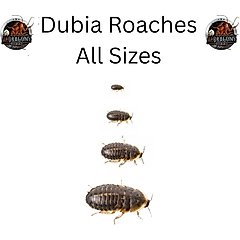
Green tree frogs eat a variety of live gut-loaded insects and worms, including mealworms, roaches, crickets, and small hornworms.
Recommended Products
Feed your pet as much as they can eat within 15 minutes once a day.
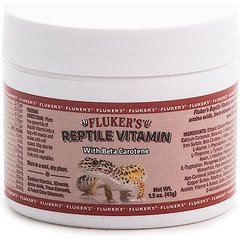
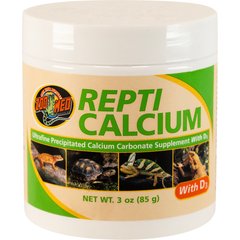
Before feeding, dust the insects with powdered supplements. Green tree frogs need a multivitamin supplement and a calcium supplement with vitamin D.
Recommended Products
Green tree frogs absorb water through their skin, so water dishes should be large and shallow enough for your frog to soak in.
Green Tree Frog Handling
Handle your green tree frog only when it’s necessary. For instance, if you’re cleaning your frog’s habitat, gently move your pet to a separate, secure tank.
Always wear moistened, powder-free latex gloves when handling your frog. Humans have natural oils and bacteria that your green tree frog can absorb through their skin, which could cause illness or skin irritation.
Green tree frogs regularly shed and shouldn’t be handled during this time. Most healthy green tree frogs shed their skin in one complete piece. Some frogs shed daily, while others shed every few weeks. If you have a younger frog, they may shed more often than adults.
You may notice a cloudy or milky color on your frog as they start to shed, which is normal. And don’t be alarmed if your green tree frog eats their dead skin after shedding.
Green Tree Frog Health
Take your green tree frog to the vet once a year for a checkup. Healthy green tree frogs have clear, clean eyes and nostrils, and a hearty appetite. Your frog should have smooth, straight toes, moist skin, and a bright, alert personality.
If you notice dry skin, lesions, eye or nasal discharge, or discoloration anywhere on the body, contact your vet right away. Discharge or blood from the mouth, lack of appetite, or broken limbs are also cause for concern. Call your vet if you suspect something is wrong with your frog.
Pet Green Tree Frog Supply Checklist
- Tank or habitat
- Substrate and sphagnum moss
- Water and food dishes
- Hideouts, plants, and climbing decor
- Heat light and fixture
- UVB light and fixture
- Under-tank heater (if needed)
- Multivitamin and calcium plus vitamin D supplement
- Thermometers, thermostat, and humidity gauge
- Cricket keeper, food, and quencher
- Live insects
- Spray bottle or misting system
FAQs About Green Tree Frogs
Do green tree frogs make good pets?
Green tree frogs make great pets for both beginner and experienced frog keepers.
Are green tree frogs beginner-friendly?
Yes, green tree frogs are a great pet for beginners.
Can a green tree frog live in a 10-gallon tank?
One green tree frog would be fine in a 10-gallon tank, and a 20-gallon tank is best for up to four tree frogs.
Are green tree frogs poisonous?
No, green tree frogs aren’t poisonous. However, like all frogs, they could potentially carry infectious diseases like Salmonella.
How long do green tree frogs live?
Green tree frogs can live for 6 years or longer with proper care.
How big do green tree frogs get?
Green tree frogs are usually 1–3 inches long as fully grown adults.
Where do tree frogs live?
Green tree frogs tend to live around streams, ponds, and bogs throughout the Southeastern United States.
Click here for a printable PDF version of this care sheet!
Attributions