Garter Snake Care Sheet


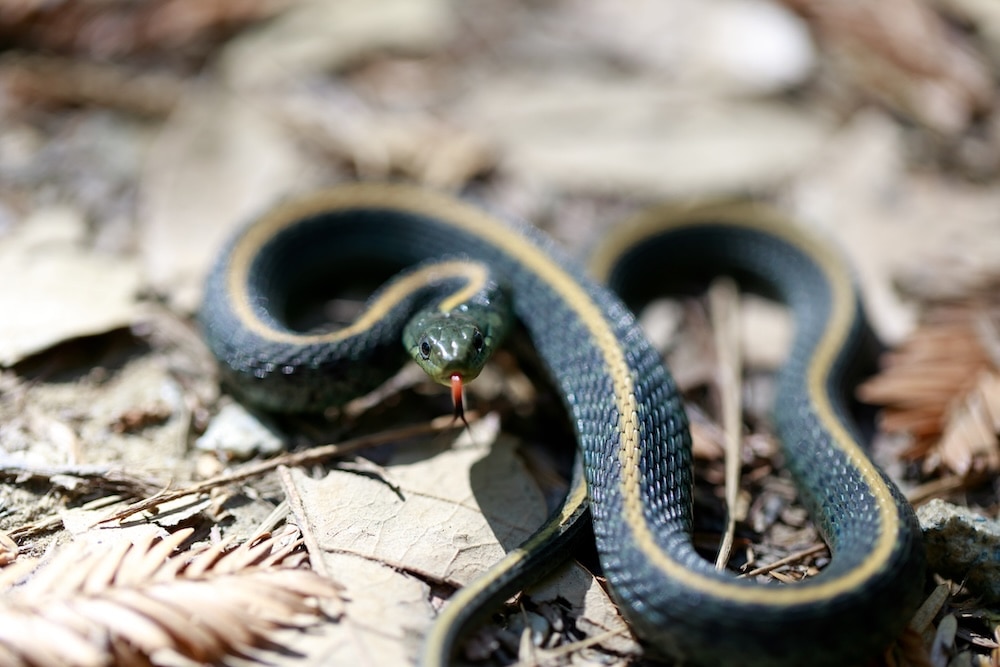
Photo by yhelfman/iStock/Getty Images Plus
Garter snakes are small, calm snakes often found in forests or on lawns. These snakes also make wonderful pets. If you plan to get one as a pet, ensure you have everything you need to give them a long, healthy life.
Garter Snake Overview
- Garter snakes don’t constrict and aren’t venomous to humans.
- Even though garter snakes are smaller than many other reptiles, they need a large habitat to move freely.
- You can keep multiple garter snakes together, but increase the enclosure size accordingly.
Fun Facts About Garter Snakes
- They’re also called garden snakes, with no difference between the two.
- Garter snakes are semi-aquatic, spending time on land and in water.
- Snakes have slow metabolisms and can go weeks or months without eating.
Garter Snake Enclosure
One garter snake needs at least a 40-gallon enclosure with a secure, tight-fitting mesh lid to avoid escapes.
Recommended Products
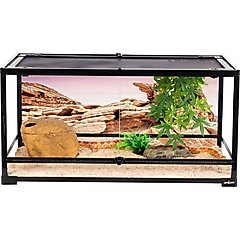

If you keep two garter snakes in one enclosure, size up with at least a 55-gallon tank. Never keep garter snakes with other snake species or other reptiles.
Line the bottom of your snake’s tank with 1–2 inches of substrate, like sphagnum moss or dry leaf litter.
Recommended Products

Avoid pine and cedar, as well as reptile carpet, since snakes enjoy burrowing and these materials can harm your pet.
Keep the warm end of the habitat around 85 F, with a basking area around 90 F. The cooler end should be about 70–75 F.
Put two thermometers in the tank—one on the cool side and one on the warm side—to check both sides daily. You can also use a digital point-and-shoot thermometer for instant reads.
Humidity levels should stay between 30–60%, slightly higher when your garter snake is shedding. Use a humidity gauge to measure the humidity inside the enclosure. Also, keep a large, shallow water dish inside the tank for your snake to soak in.
Install an under-tank heater or an over-the-tank basking lamp to provide heat for your snake. Avoid hot rocks, as they can get too warm and injure your snake.
Recommended Product
Don’t place bulbs inside the tank; your pet could curl around them and burn themselves.
It’s also a good idea to add an ultraviolet (UV) light to your pet’s habitat, placing it 12–18 inches away from the highest basking area. Let the light run for 10–12 hours a day to mimic natural sunlight, which can improve your snake’s immune system.
Decor is also important for snakes to mimic their natural environment. Give your garter snake at least two hideaway boxes—one on the warm end and one on the cool end—for privacy and to help your pet regulate their body temperature. Natural or synthetic wood is a great option for hiding places.
Recommended Products
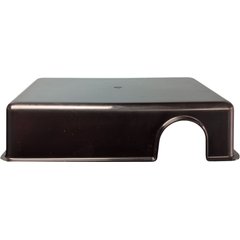
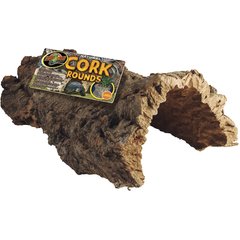
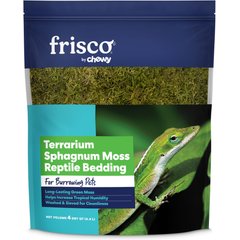
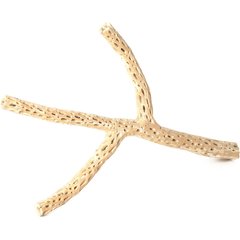
Add moist sphagnum moss inside the hideout box on the warm end to boost humidity. This helps with healthy shedding. Also, add various climbing branches and vines to give your snake plenty of ways to climb.
Recommended Products
Cleaning and Maintenance
Clean and disinfect your garter snake’s habitat at least weekly.
Once you move your snake to a separate, secure enclosure, remove the old substrate and wash the decor and accessories. Scrub the tank with a 3% bleach solution or habitat cleaner, leaving the solution on for at least 10 minutes to ensure it’s fully disinfected.
Recommended Product
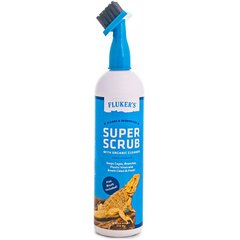
Thoroughly rinse until the cleaner smell is gone, then let the enclosure dry completely before adding new substrate, cleaned accessories, and your snake back into the enclosure.
What Do Garter Snakes Eat?
Feed your garter snake previously frozen, thawed rodents and live earthworms. Juveniles can eat “pinkies,” which are newborn, hairless mice. As your snake grows, they can eat “fuzzies” and “hoppers,” which are larger, immature mice. As adults, garter snakes can eat mice and rats.
Feed juveniles every other day and adults once a week, although the feeding schedule depends on your snake’s size, age, and activity level. Prey needs to be the same size as a garter snake’s mid-body width. Use feeding tongs—not your fingers—when offering meals. Sometimes, snakes confuse fingers for food, so using tongs helps remove the association between hands and feeding.
Garter snakes need constant access to water in a dish that’s large enough for them to soak in as they wish, as well as drink. Clean the dish daily and ensure fresh water is always available.
How To Hold a Garter Snake
Approach your snake calmly and quietly so you don’t startle them. To pick up your snake, reach for their side or rear (not the top of their body), and grasp around their mid-body. Let your snake move over you freely, using a hand-over-hand movement once you’vepicked them up.
There’s a chance your pet may mistake your hands as a food source, especially during shedding times, when their vision gets impaired by the loose scales in front of their eyes. Minimize handling during shedding to reduce stress and keep your snake from feeling threatened.
Garter snakes are potential carriers of infectious diseases like salmonella, so always wash your hands before and after handling your reptile.
Garter Snake Health
Take your garter snake to the veterinarian once a year for an annual checkup. Keep an eye on your pet daily to monitor their behavior and appearance.
Healthy garter snakes have clear eyes, a clean vent, and consistent, bright striping. There shouldn’t be any visible signs of lumps, bumps, or swelling. Any shed skin should come off easily, and your pet should have a relaxed demeanor with regular tongue-flicking.
Contact your vet if you notice anything out of the ordinary, such as stuck shed, skin lesions, or tumors.
Check to see if your snake is lethargic, not eating, or suddenly unable to move. Also, aggressive behavior, vent discharge, and skin ulcerations might be signs of a larger issue, so call your vet right away.
Garter Snake Supply Checklist
- Appropriately sized habitat
- Substrate and sphagnum moss
- Frozen rodents and live earthworms
- Water dish
- Hideaway places, climbing decor, and plants
- Heat lights and fixtures
- UV light
- Under-tank heater
- Thermostat and thermometers
- Humidity gauge and mister
FAQs About Garter Snakes
How long do garter snakes live?
With proper care, garter snakes can live 10 years or longer, depending on the species.
Where do garter snakes live in the wild?
You can find garter snakes in a variety of environments, including grasslands, woodlands, forests, and even your own backyard.
Are garter snakes poisonous?
No, garter snakes aren’t venomous to humans, but they release an unpleasant smell to ward off predators.
Do garter snakes have teeth?
Yes, garter snakes have teeth that are sharp enough to bite and immobilize prey.
How big do garter snakes get?
Depending on the species, most adult garter snakes are 2 to 4 feet long.
Click here for a printable PDF version of this care sheet!
Attributions