Frog-Eyed Gecko Care Sheet


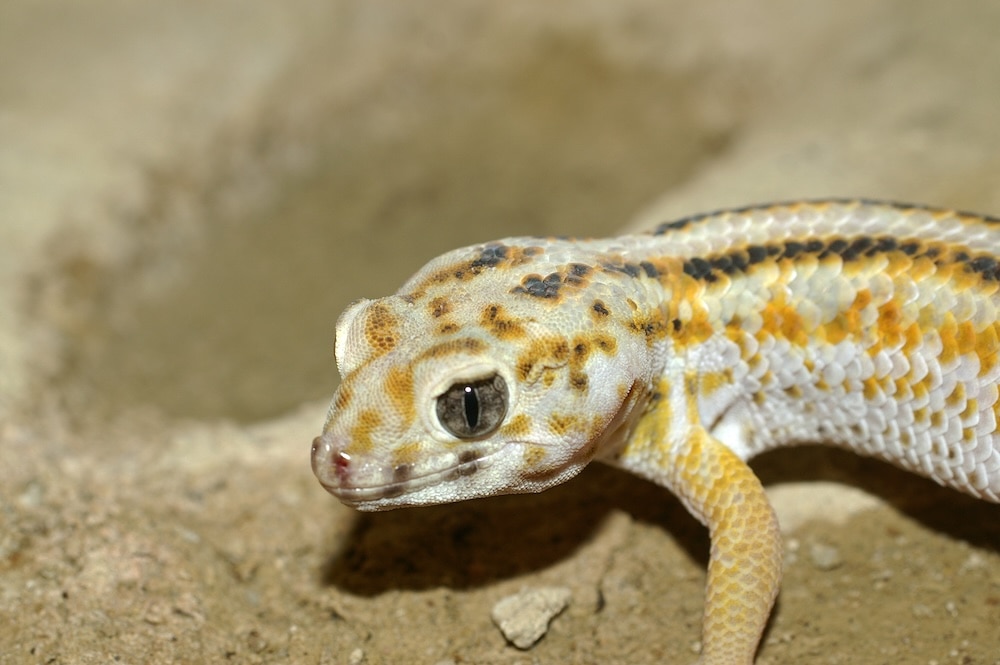
Photo by Patrick_Gijsbers/iStock/Getty Images Plus
Frog-eyed geckos, also known as common wonder geckos, are native to Asian and Middle Eastern deserts. If you recently got a frog-eyed gecko or want to adopt one as a pet, make sure you have everything you need to give them a long, healthy life.
Frog-Eyed Gecko Overview
- They’re in the same family as leopard geckos, but have stockier bodies and shorter tails.
- With proper care, frog-eyed geckos can live up to 10–20 years.
- These geckos are fragile and don’t tolerate handling well.
Fun Facts About Frog-Eyed Geckos
- These geckos get their name from their bulging eyes, resembling frog eyes.
- Like other geckos, frog-eyed geckos can detach their tails as a defense mechanism.
- Frog-eyed geckos shed their skin every four to eight weeks, usually in pieces.
Frog-Eyed Gecko Tank
Get your juvenile frog-eyed gecko a tank that’s at least 10 gallons. As your gecko grows, increase the tank size. Make sure your tank has a secure, screened lid for ventilation and to prevent your reptile from escaping. Whenever possible, get the largest enclosure you can.
Recommended Products
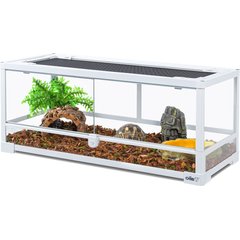
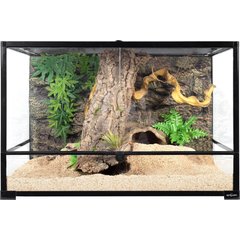
Your frog-eyed gecko should reach adult size when they’re between 1 to 2 years of age. At that point, your pet should have a tank that’s 20 gallons or larger.
If you’re keeping multiple geckos in the same habitat, size up accordingly (40+ gallons for a pair or trio). Don’t keep multiple male geckos in the same habitat, as they become territorial. Male and female geckos can be in the same enclosure, but expect them to breed.
Line the bottom of your tank with about 3 inches of substrate.
Recommended Product

Don’t use gravel or wood chips, since they could harm your gecko’s skin.
Temperature, Light, and Heat
Your tank should feature a thermal gradient so your gecko can cool down or warm up as needed. The warm end of the tank should be around 88 F, while the cooler end should be 75 F. Temperatures shouldn’t drop below 70 F at night.
Frog-eyed geckos rely on external heat sources to regulate their body temperature, so they need a few different heat sources in their tank. Also include an incandescent light or ceramic heat source to create a basking area of about 90–95 degrees.
Recommended Products
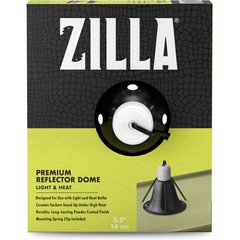

Avoid hot rocks, since they can burn your gecko. Don’t use under-tank heaters either, since geckos enjoy burrowing and could get burned.
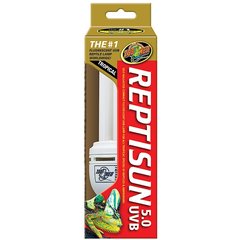
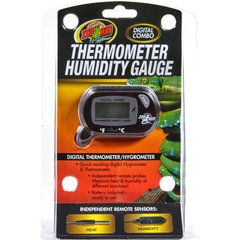
Your gecko needs 10–12 hours of UV light daily, so install a UVA/UVB light that mimics natural sunlight. Keep humidity between 30– 50%, using a humidity gauge to measure it daily.
Recommended Products
Give your gecko a shallow water dish on the cool end of the tank.
Recommended Product

Decor and Accessories
Give your gecko at least two hiding areas in their tank, one on the cool end and one on the warm end. If you have more than one gecko in the habitat, each pet should have their own set of hiding areas.
Recommended Products

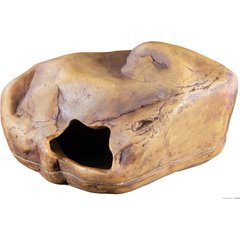
Add moist sphagnum moss inside the hideout in the warm end of the enclosure to boost humidity. The extra moisture helps your frog-eyed gecko during shedding cycles.
Include a few basking rocks for your pet to climb on, ensuring they are secure so your gecko won’t fall and get hurt. You can also add a few non-toxic live plants like succulents to the enclosure. Aside from looking nice, plants can help increase the tank’s humidity.
Recommended Products


Cleaning and Maintenance
Spot-clean the tank daily by removing any soiled materials and discarded food. Clean food and water dishes daily.
Remove your gecko from their enclosure before cleaning it fully and move them to a separate habitat that’s clean and secure. Then thoroughly clean the tank, decor, and accessories and discard the old substrates. This should be done every two to three weeks.
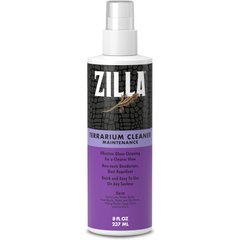
Scrub the tank with a 3% bleach solution or reptile habitat cleaner. Let the solution sit on the tank for at least 10 minutes to make sure it is disinfected, then rinse with water until the solution’s odor is gone.
Recommended Product
Allow the enclosure to dry completely before replacing the substrate, cleaned décor, and your gecko.
Frog-eyed Gecko Diet
Feed your gecko gut-loaded (recently fed) insects, such as mealworms, superworms, crickets, and roaches. While you can give your gecko freeze-dried insects, live ones are a better choice because they provide more nutrients and allow your gecko to hunt their prey before eating.
Recommended Products
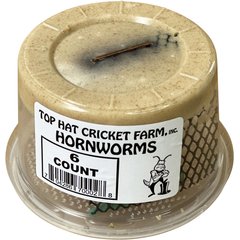
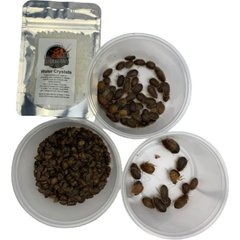
Juveniles should eat daily, while adults can eat every two to three days. Offer only two insects at a time, and watch your gecko during feedings to ensure no insects are left uneaten.
Before feeding, dust insects with different supplements:
- Calcium supplement with vitamin D
- Calcium supplement without vitamin D
- Reptile multivitamin powder
Recommended Products
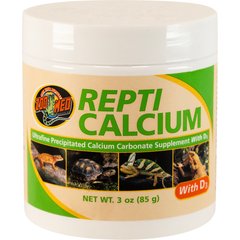
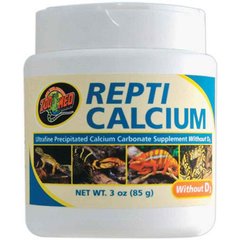
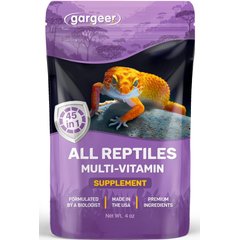
Calcium supplements should be used two to four times per week for juveniles and once or twice a week for adults. Give the multivitamin supplement one to two times a week.
Food should be fed in a dish rather than directly on the enclosure floor to minimize risk of your gecko ingesting substrate along with their meal. Water dishes should be cleaned and refilled every day with fresh water.
Frog-Eyed Gecko Handling
Frog-eyed geckos are more fragile than other popular pets like leopard geckos or crested geckos. They should rarely be handled and only if necessary, such as for habitat cleaning or a veterinary visit.
Geckos can jump out of your hands, so only hold your pet over soft surfaces to minimize their risk of injury. Never handle a frog-eyed gecko by their tail; they can drop their tails anytime they feel threatened and when they want to escape predators.
Always wash your hands before and after handling any reptile and their habitat’s contents.
Frog-Eyed Gecko Health
A frog-eyed gecko sheds every four to eight weeks. To ensure they have healthy shedding cycles, maintain optimal humidity levels in their enclosure by checking daily. Spray water onto the plants and sphagnum moss with a mister to boost humidity as needed.
Take your frog-eyed gecko to a veterinarian once a year for a checkup. You may also need to have them examined in case of illness or injury.
A healthy frog-eyed gecko should have clear eyes and nostrils, a clean vent, and intact skin. They should always have a good appetite and a bright personality.
You may need to take your gecko to the vet if you notice a loss of appetite, lethargy, or discharge from their eyes, nose, or vent. If you see muscle or weight loss, skin ulcers, or other lesions, call your vet right away. These could be signs of a larger issue.
Pet Frog-Eyed Gecko Supply Checklist
- Appropriately sized habitat
- Substrate and sphagnum moss
- Water and mealworm dishes
- Climbing decor and hideout boxes
- Plants and mister
- Heat light and fixture
- Multivitamin and calcium supplements
- Live food
- Thermometers and a humidity gauge
- UV light fixture and light
FAQs About Frog-Eyed Geckos
Are frog-eyed geckos good pets?
Frog-eyed geckos make great pets for both beginner and experienced reptile keepers. They’re relatively easy to care for and have good longevity.
How long do frog-eyed geckos live?
With proper care, frog-eyed geckos can live up to 20 years.
How big do frog-eyed geckos get?
Frog-eyed geckos can be 5–8 inches long as adults.
What is the difference between a leopard gecko and a frog-eyed gecko?
Frog-eyed geckos have a stockier body and shorter tail compared to leopard geckos. Frog-eyed geckos also have short snouts and unique scales.
Attributions