Red-Eyed Tree Frog Care Sheet


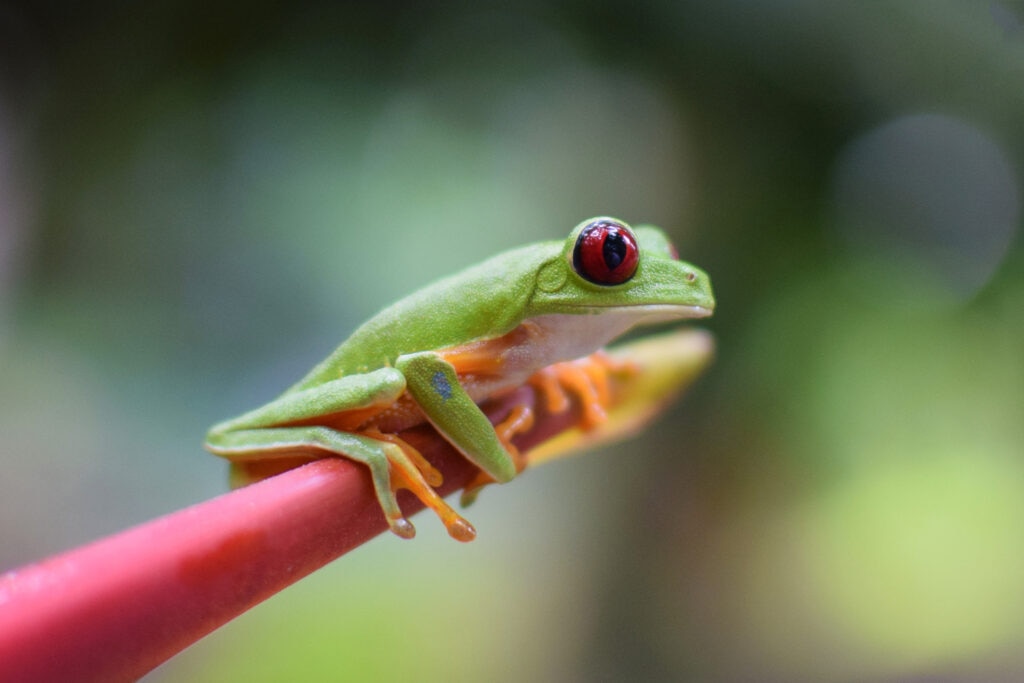
Photo by Peter Clayton Photography/E+
Red-eyed tree frogs are known for their big, red eyes and colorful bodies. Whether you just got a red-eyed tree frog or you’re thinking about getting one, here’s everything you need to know about how to give them a long, healthy life.
Red-Eyed Tree Frog Overview
- These frogs don’t get larger than 2.5–3.5 inches as fully grown adults.
- Red-eyed tree frogs aren’t poisonous, but they have skin glands that secrete mild toxins to deter predators.
- Only handle frogs while wearing disposable gloves, and minimize handling in general.
Fun Facts About Red-Eyed Tree Frogs
- Frogs are amphibians, not reptiles. They hatch from eggs in water and undergo metamorphosis to live on land.
- These frogs have green bodies, white bellies, and orange toes.
- Red-eyed tree frogs can close their eyes and tuck in their legs to camouflage themselves from predators.
Red-Eyed Tree Frog Habitat
A terrarium or tank for one red-eyed tree frog needs to be at least 15 gallons, and you can keep up to four frogs in a 30-gallon enclosure.
Recommended Products
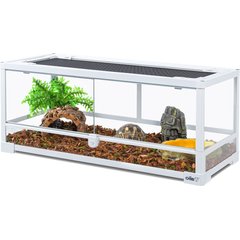
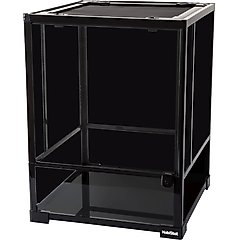
Habitats should be taller than they are wide, giving your pet enough space to climb. Whenever you can, get the largest enclosure available.
Line the bottom of your frog’s enclosure with substrate like sphagnum moss or coconut fiber, along with river rocks that are too large for your frog to ingest.
Recommended Products
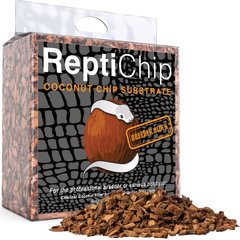
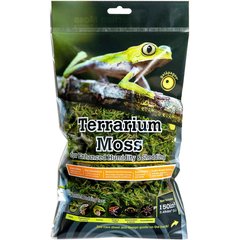
Avoid small gravel that can cause an obstruction in your frog’s gastrointestinal tract. Don’t use reptile carpet or artificial turf, as these could be harmful to your frog’s sensitive skin.
Decor and Accessories
Provide a shallow bowl that’s large enough for your frog to soak in and about 1–2 inches deep.
Recommended Product
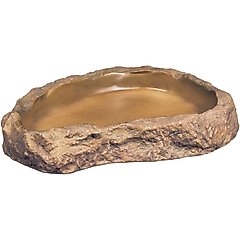
Clean and disinfect the water bowl daily. Also include a food bowl for feeding time.
Add various types of climbing decor and branches, including driftwood, cork bark, and other live and artificial plants.
Recommended Products
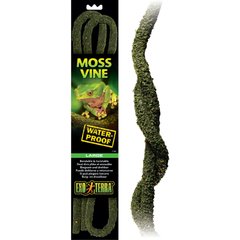
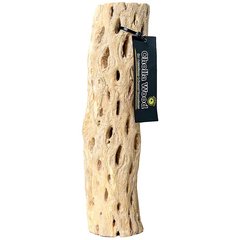
Place branches on a diagonal to encourage your frog to leap and move around. Don’t overcrowd the enclosure with too much decor, as it could cause your frog stress by not allowing them to move and jump easily.
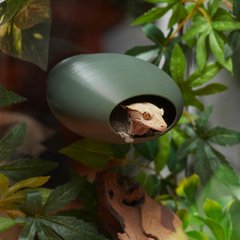
Include at least two hiding areas for your red-eyed tree frog. This gives your frog some privacy and space, and helps them regulate their body temperature.
Recommended Product
Cleaning and Maintenance
Spot-clean your red-eyed tree frog’s habitat every day by removing discarded and uneaten food. Thoroughly clean the enclosure at least once a month.
Follow these steps for monthly cleanings:
- Put on gloves and place your frog in another secure habitat.
- Remove substrate, decor, and accessories.
- Scrub the tank and accessories with an amphibian-safe habitat cleaner or a 3% bleach solution. Leave the solution on the enclosure for at least 10 minutes for proper disinfection.
- Thoroughly rinse the habitat and any accessories with water until the cleaning agent’s odor is totally gone.
- Once completely dry, add in new substrate, cleaned accessories, and decor.
- Wear gloves to return your frog to the clean habitat.
Temperature and Heat
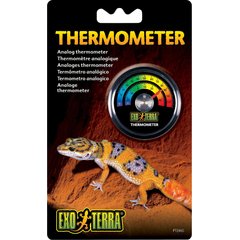
Keep daytime temperatures in your red-eyed tree frog’s enclosure between 75–80 F and nighttime temperatures around 68–70 F. Enclosures should never get hotter than 80 F. Use thermometers to keep track of the temperature.
Recommended Product
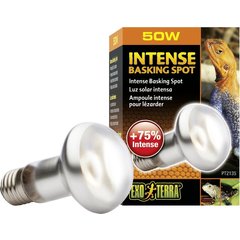
Your frog needs 10–12 hours of light every day. Add a low-wattage incandescent light bulb above a high perch that provides both light and heat. For extra heat (if needed), install an under-tank heating pad or place a ceramic heat bulb above the tank.
Recommended Products
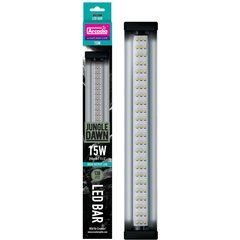
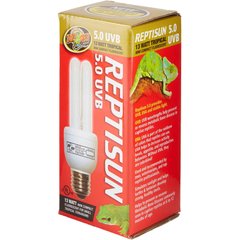
Frogs need 10–12 hours of ultraviolet light every day to boost calcium and vitamin D. Install a low-level UVB light on a timer so exposure is provided on a consistent schedule.
Recommended Product
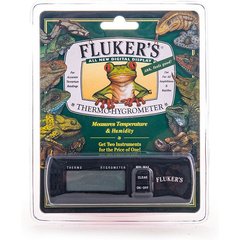
Keep the humidity level in their enclosure between 70–80% and monitor the level with a humidity gauge.
Recommended Product
Red-Eyed Tree Frog Diet
Red-eyed tree frogs are carnivores and eat a variety of gut-loaded insects, including roaches, crickets, and worms. Food should be no wider than the width of your frog’s head.
Recommended Product
Juveniles should eat daily. Feed adults smaller than 3 inches every one to two days, and adults larger than 3 inches every two to three days.
Gut-load insects by feeding them nutrient-dense food 24–72 hours prior to giving them to your pet. You can also dust insects with supplement powder before feeding them to your frog.
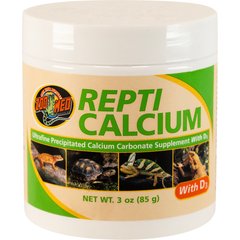
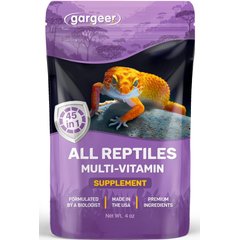
Adult frogs should get a calcium supplement with vitamin D one to two times a week. However, if insects are properly gut-loaded and proper UV is provided, they do not need vitamin D3. Regardless of age, give your red-eyed tree frog a multivitamin once a week.
Recommended Products
Red-Eyed Tree Frog Handling
Don’t handle your red-eyed tree frog more than necessary. Human bacteria and oils can get absorbed through the frog’s skin, potentially causing irritation and illness.
If you must handle your frog, do so while wearing disposable, non-powdered gloves.
Red-Eyed Tree Frog Health
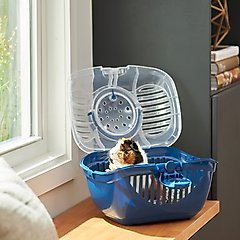
Take your red-eyed tree frog to a reptile or amphibian veterinary specialist once a year for an annual checkup. Bring them in a secure pet carrier or a plastic container with a tight-fitting lid with holes for ventilation.
Recommended Product
Red-eyed tree frogs regularly shed their skin. Juvenile frogs may shed more frequently than adults. You can expect younger frogs to shed every few days, while older frogs may shed every few weeks.
As you get to know your frog, you’ll know what they’re like when they’re healthy and sense when something is out of the ordinary. Healthy red-eyed tree frogs have a good appetite and are active and alert. If you notice a lack of appetite, a dip in activity, or discharge from their eyes or nose, contact your vet right away.
Pay close attention to your frog’s skin, and look for abrasions, discoloration, or dryness. Alert your vet to these or any other concerns, as they could be a sign of a larger issue.
Pet Red-Eyed Tree Frog Supply Checklist
Before you bring your red-eyed tree frog home, make sure you have everything ready to help them thrive, including:
- Appropriately sized habitat
- Substrate
- Sphagnum moss
- Water and food dishes
- Live insects
- Plants and climbing decor
- Heat light and fixture
- Under-tank heater and thermostat for pairing
- UVB lighting and fixture
- Multivitamin supplement
- Calcium supplement with vitamin D
- Cricket keeper, food, and quencher
- Thermometers
- Humidity gauge
- Mister
FAQs About Red-Eyed Tree Frogs
Can I keep a red-eyed tree frog as a pet?
Yes, you can keep red-eyed tree frogs as pets, but these frogs are best for experienced frog keepers. Beginners should instead opt for other types of frogs.
Are red-eyed tree frogs poisonous?
No, red-eyed tree frogs are not poisonous. However, like all other frogs, they can potentially carry infectious diseases such as Salmonella.
What do red-eyed tree frogs eat?
Red-eyed tree frogs eat a variety of gut-loaded insects and worms.
Are red-eyed tree frogs beginner-friendly?
Red-eyed tree frogs are better suited for intermediate reptile and amphibian owners with previous experience caring for frogs. Beginners should avoid keeping red-eyed tree frogs as pets, as they require a lot of care and attention.
What is the lifespan of a red-eyed tree frog?
With proper care, red-eyed tree frogs can live 5–10 years.
How big do red-eyed tree frogs get?
Females grow to be 3–3.5 inches long, while males average 2–2.5 inches long as adults.
Click here for a printable PDF version of this care sheet!
Attributions