Axolotl Care Sheet


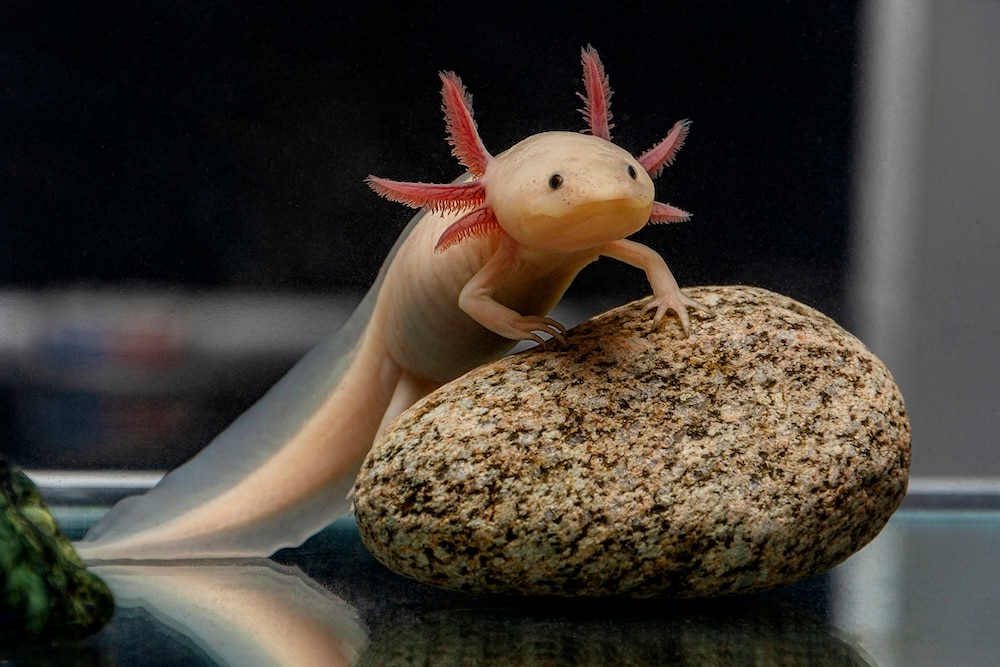
Photo by Iva Dimova/iStock/Getty Images Plus
The axolotl (Ambystoma mexicanum) is a salamander native to Lake Xochimilco and Lake Chalco, both near Mexico City, Mexico. Unlike other salamanders, axolotls keep their frilly gills throughout their lives and are fully aquatic.
Axolotl Overview
- Axolotls can live 10–15 years with good care as pets.
- These salamanders need an aquatic setup that’s closer to a fish tank than a typical amphibian enclosure.
- Axolotls eat various small fish, mollusks, insects, and worms.
Fun Facts About Axolotls
- Wild axolotls are critically endangered, but there are over 1 million pet axolotls.
- The name axolotl came from the Aztec god of lightning, Xolotl, who could turn into a salamander.
- Axolotls are nocturnal ambush predators who suck their food into their mouths.
- This salamander’s regenerative ability is legendary—they can regrow limbs, organs, and parts of their brain.
Axolotl Habitat
Your axolotl needs a fully cycled aquarium with plenty of hiding spaces and decorations larger than their head, so they can’t swallow them and injure themselves.
The minimum aquarium size for an axolotl is 30 gallons, but many experts recommend at least a 40-gallon low/wide breeder tank, which makes maintaining a healthy habitat easier.
Recommended Product
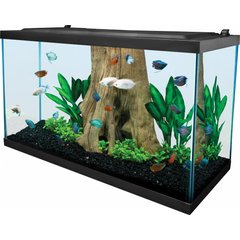
Axolotls grow into adulthood quickly, so starting them in a smaller tank isn’t economical.
Keeping the water chemistry balanced is often a challenge. These aquatic salamanders dirty the water quickly, which increases the nitrates to dangerous levels fast. You can check water chemistry using water testing kits.
Recommended Product
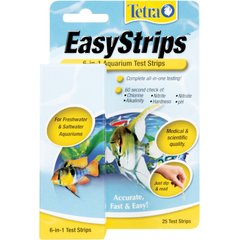
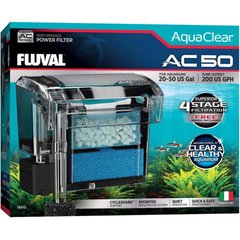
Weekly water changes and excellent filter systems are essential to keeping nitrates below 20ppm, while also avoiding ammonia spikes.
Recommended Product
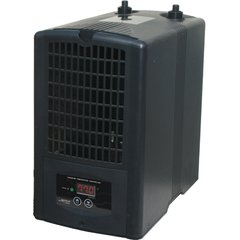
Axolotls need cooler temperatures. Therefore, your aquarium may also need a chiller, like this one from JBJ, to keep the temperature a stable 60–68 F, especially during summers.
Recommended Product
Many pet parents use fans that blow across the top of the water to help cool it off. Frozen water bottles can also be added directly to the water in an emergency when you need to cool it down quickly.
You can add plants to your axolotl’s habitat, and the right plants can help keep the nitrates and ammonia under control.
Recommended Products
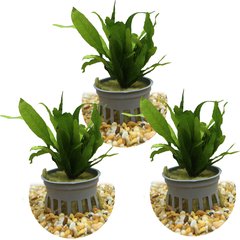
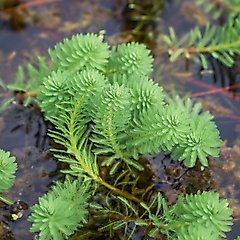
Avoid using plant fertilizers in your amphibian’s aquarium. Thankfully, axolotls produce so much waste that your plants probably won’t need fertilizer.
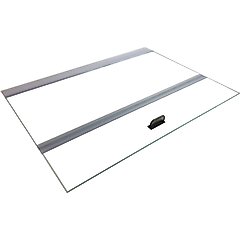
Axolotls can and will jump out of their enclosures, which is dangerous for them. The best way to prevent jumping is to keep the water a few inches from the top of the tank, and always have a secure lid on the tank.
Recommended Product
What Do Axolotls Eat?
These nocturnal carnivores get most of their nutrition from a diet of earthworms and nightcrawlers, as well as small fish and mollusks.
Recommended Product
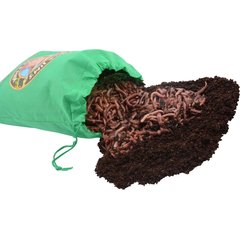
You can also offer axolotl pellets or sinking carnivore pellets if their live food is unavailable.
Recommended Product
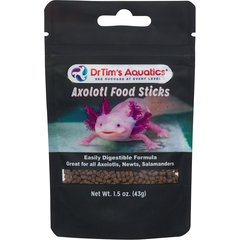
Juveniles should be fed daily and adults should be fed every two to three days.
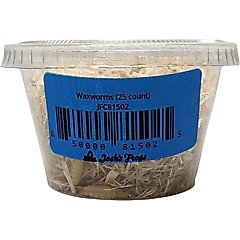
Occasional treats like waxworms, frozen bloodworms, and blackworms are OK, but they should never be more than a treat about once per month.
Recommended Product
Cherry or ghost shrimp tankmates can also make nice snacks for your salamander, but quarantine them for at least a few weeks to 30 days before adding them to your axolotl’s habitat. This is necessary to ensure they don’t have any health problems that can make your axolotl sick.
Feeder fish, such as minnows and goldfish, should not be fed to axolotls. These fish contain thiaminase, which causes thiamine deficiencies if your axolotl eats them too often.
If available, some good fish options to feed your axolotl are guppies, swordtails, platies, and mollies.
Axolotl Handling
Axolotls aren’t salamanders or lizards you can pick up and carry around. They’re fascinating and entertaining to watch, and are primarily display animals. Treat them as you would a pet fish—just sit back and watch!
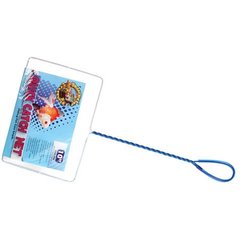
With their sensitive amphibian skin, axolotls shouldn’t be handled more than absolutely necessary. When you must move them for health checks or tank cleanings, use a soft fine-meshed net to avoid damaging their skin or transferring anything on your hands to them.
Recommended Product
Axolotl Health
Though delicate, axolotls can live long, healthy lives with good care. That said, they are prone to some diseases.
- Fungal infections: White cotton-like patches on their gills, body, or limbs caused by poor water quality, stress, injury, or water that’s too warm
- Bacterial infections: Reddened skin, bloating, ulcers, and lethargy caused by poor water quality, high water temperature, or injuries
- Impaction: Loss of appetite, bloating, and difficulty defecating caused by ingesting gravel, food that’s too big, or non-digestible items
- Ammonia poisoning: Gasping at the surface, red or inflamed gills, and lethargy caused by poor water quality and waste buildup
- Metabolic bone disease (MBD): Deformities, soft bones, and difficulty moving caused by calcium deficiency and poor diet—be sure to gut-load prey items to help ensure there are enough nutrients in each meal
Supply Checklist for Pet Axolotls
- 40-gallon breeder aquarium
- Hides (aquarium caves)
- Cold-tolerant, low-light plants
- Low flow sponge filter system
- Fans and/or water chiller
- Air pump and air stone for additional oxygenation
- Water conditioner
- Thermometer
- Water test kits
- Siphon and buckets for water changes/cleaning
- Food and treats
FAQs About Axolotls
Where do axolotls live in the wild?
Wild axolotls live in the Xochimilco lake complex. It’s a network of wetlands, artificial canals, and small lakes just south of Mexico City, Mexico. Their habitat was nearly destroyed after the Spanish conquest of the Aztecs, when much of the wetlands were drained for agriculture and city building.
How long do axolotls live?
In the wild, axolotls live around 5 years. However, as pets, they can live 10–15 years.
How big do axolotls get?
Most axolotls grow to around a foot long. Some exceptionally large individuals have grown to 15 inches, and the biggest one on record was a wild-caught axolotl that measured 18 inches.
Do axolotls make good pets?
Axolotls can make good pets for people who understand that these animals aren’t interactive. They don’t tolerate handling, so they’re great if you simply enjoy watching and observing them.
Is it legal to have an axolotl as a pet?
In most U.S. states, axolotls are legal pets. They’re illegal in a few states, including California, Maine, New Jersey, and Washington, D.C. A permit is needed to keep axolotls in New Mexico. Check your local laws to confirm if you can keep an axolotl as a pet.
Click here for a printable PDF version of this care sheet!
Attributions