Invertebrates for Aquariums: An Introductory Guide for Freshwater and Saltwater Tanks


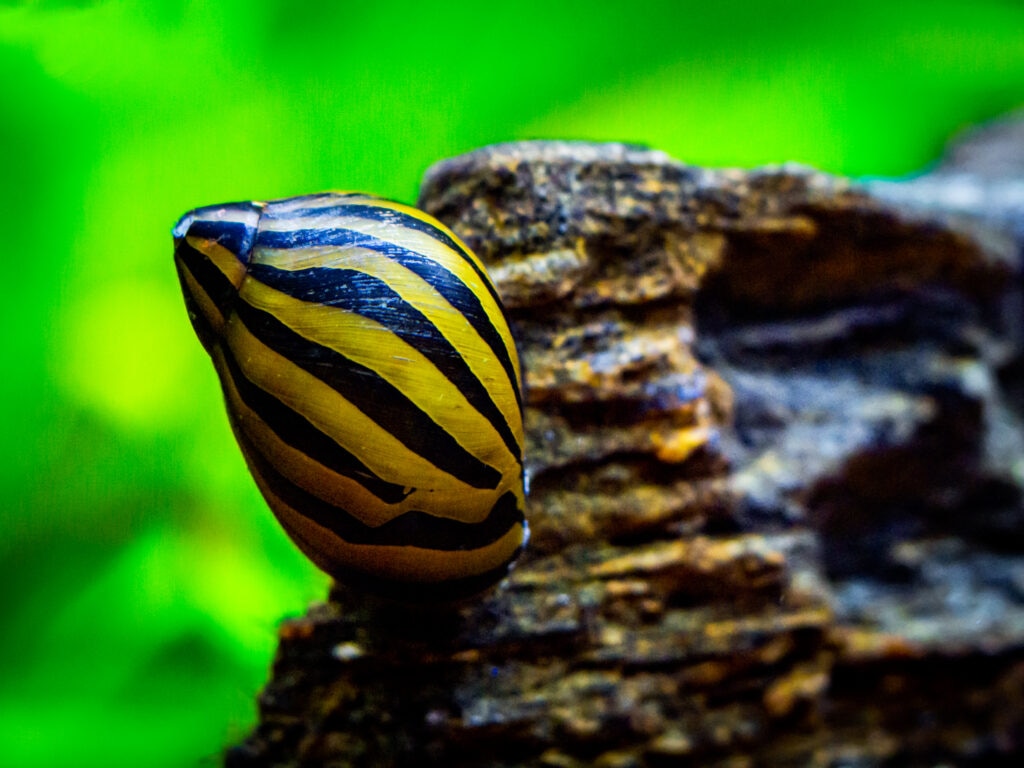
Photo by Juan Carlos Juarez Jaramillo/iStock/Getty Images Plus
Invertebrates—animals without backbones—make up about 95% of all known animal species on Earth. In aquariums, they’re prized for their diversity, color, and usefulness.
From algae-eating snails and shrimp to vibrant corals and anemones, invertebrates play a vital role in both freshwater and saltwater tanks. With the right planning, they can enhance your aquarium’s beauty, stability, and overall health.
There are literally millions of species of invertebrates, and this care sheet only touches on a handful of them. Always ask your local aquarium store for additional advice.
Key Takeaways
- Many aquarium “cleanup crews” include invertebrates like shrimp, snails, and starfish.
- Size matters! Some invertebrates stay small, while others will outgrow your tank.
- Understand behaviors, so your invertebrates don’t turn into someone else’s snack or vice versa.
What Are Aquarium Invertebrates?
Aquarium invertebrates include animals like snails, shrimp, crabs, corals, clams, and anemones. Unlike vertebrates, such as fish, they lack a spinal column.
While they vary widely in size and behavior, the best invertebrates for aquariums are species that:
- Stay appropriately sized
- Are easy to feed
- Won’t overload your filtration system
- Can coexist peacefully with tankmates
With proper research, vertebrates and invertebrates can live side by side in balanced ecosystems. Common aquarium invertebrate groups include:
- Crustaceans (shrimp and crabs)
- Mollusks (snails, nudibranchs, clams)
- Sessile animals (corals and anemones)
Benefits of Adding Invertebrates
One of the biggest advantages of keeping some types of invertebrates is their role as a natural cleanup crew. Many species feed on algae, leftover food, biofilm, and decaying plant matter—helping maintain water quality and reducing maintenance.
Recommended Products
Shrimp, snails, and some corals continuously recycle organic debris that would otherwise pollute the tank.
Invertebrates also add educational and visual value. Watching shrimp colonies forage or corals extend their polyps brings movement and fascination to an aquarium. Some fast-breeding species can even serve as supplemental food for larger fish, contributing to a more self-sustaining system.
Compatibility matters, however. Peaceful community fish like guppies generally coexist well with invertebrates, while aggressive species may prey on them. Choosing the right mix is essential.
Freshwater Aquarium Invertebrates
Freshwater invertebrates are typically more forgiving of water fluctuations, as well as more affordable and beginner–friendly.
Popular Freshwater Shrimp Species
- Cherry shrimp (Neocaridina davidi): Small, hardy, and colorful shrimp are ideal for beginners; you can keep at least five per gallon. ‘Cherry’ is a trade name for some red shrimp, but this species comes in a dizzying array of colors including blues, oranges, gold-back, and rili (white-banded) varieties.
- Caridina shrimp (Caridina sp.) Similar to the cherry shrimp and their relatives, this group includes bee shrimp, beauty shrimp, and similar species. They prefer softer and cooler water than their Neocaridinacousins.
- Amano shrimp (Caridina multidentata): Larger shrimp known for exceptional algae-eating abilities; keep three to four per 10 gallons
- Ghost shrimp (Palaemonetes paludosus): Hardy and inexpensive but more sensitive to water quality; best kept in colonies
- Bamboo shrimp (Atyopsis moluccensis): Large filter feeders with fan-like appendages that capture food from the current; several can be kept in a 20-gallon tank
Recommended Product
Freshwater Snails for Aquariums
- Nerite snails: These attractive algae eaters won’t overpopulate because they only breed in brackish water. They’re possibly the best algae eater available for an aquarium. Two or three per gallon will clean up a tank, and you’ll need to provide algae wafers for them once they eat the algae in the tank.
- Mystery snails: These peaceful snails will eat many aquarium plants, especially soft-leaved species. Keep these larger snails at a density of one or two per gallon.
- Malaysian trumpet snails: Trumpets are burrowing snails that aerate substrate and act as oxygen level indicators. They reproduce rapidly and are sometimes considered a pest because you can end up with hundreds in the substrate.
- Ramshorn snails: These are excellent detritus and algae eaters. Very small and likely to breed in your tank, but not as prolifically as the trumpet snails.
- Assassin snails: As their name suggests, these predatory snails are used to control other snail populations. They’re a smaller species, so five per gallon is a good stocking rate. If there aren’t enough pest snails to maintain be sure to provide sinking pellets.
- Rabbit snails: These are slow-breeding, large, peaceful scavengers. They come in a variety of colors. Keep one or two per gallon.
Other Freshwater Invertebrates
- Dwarf crayfish: These invertebrates are small, colorful, and relatively peaceful. They’re very shrimp-like in behavior and care. Like shrimp, up to five per gallon will do well as long as you give them plenty of structure.
- Thai micro crabs: These are tiny (about ¼ inch), fully aquatic crabs that thrive in established tanks.
- Freshwater clams: Clams improve water clarity but are difficult to keep long-term because they are filter feeders. Keep only a couple in your tank as they rapidly deplete their food source.
- Vampire crabs: These semi-aquatic crabs require land areas for breathing and exploration. They are social and do well with about one per gallon in a 10-gallon or larger terrarium.
Saltwater Aquarium Invertebrates
Saltwater invertebrates offer unmatched diversity and color, especially in reef tanks. They require more stable conditions but are highly rewarding.
Reef-Safe Invertebrates and Clean-Up Crew
- Scarlet skunk cleaner shrimp: Clean parasites from fish and are completely reef-safe
- Fire shrimp: Super-colorful and good at scavenging on leftover food
- Peppermint shrimp: Peaceful and helpful for controlling pest anemones; watch them closely as some individuals will pick at coral.
- Scarlet reef hermit crabs: Among the safest hermits; provide extra shells to prevent snail predation
- Blue-leg hermit crabs: Tiny crabs that do a great job picking at diatoms, other algae, and cyanobacteria
Recommended Products
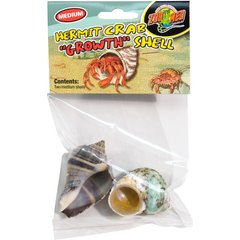
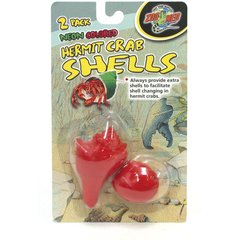
- Emerald crabs: Excellent for bubble algae control, though may nip corals if underfed
- Trochus snails: Efficient algae grazers
- Cerith and Nassarius snails: Burrow in sand to eat detritus and stir substrate
- Fighting conchs: Large, entertaining sand sifters
- Brittle and serpent starfish: Scavengers that feed on leftover food (avoid green brittle stars, as they get big and can be predatory)
- Tuxedo and pincushion urchins: Algae eaters that may rearrange loose decor
Corals and Other Sessile Invertebrates
Sessile invertebrates remain anchored in one place after settling.
Hard Corals
- LPS corals: Large, fleshy polyps, and generally beginner-friendly; types include:
-
- Candy cane
- Hammer
- Frogspawn
- SPS corals: Small polyp corals that form dense colonies, require stable conditions, and can be kept close together; types include:
-
- Montipora
- Birdsnest
- Bali green slimer Acropora
Soft Corals
Soft corals lack hard skeletons and are more forgiving of water fluctuations. Popular options include leather corals, zoanthids, and mushroom corals, all known for their hardiness and vibrant colors.
Anemones
Anemones are carnivorous and challenging to keep. Species like long tentacle, d, and flower anemones require stable, mature tanks and careful placement to avoid damaging your corals. Bubble-tips and carpets are a bit hardier, and when well-cared for, they make good companions for clownfish.
How To Choose the Right Invertebrates for Your Aquarium
Select invertebrates based on tank size, water parameters, and fish compatibility. Freshwater invertebrates generally tolerate wider ranges of temperature and pH.
Most common freshwater inverts will do will with a pH range of 6.5–8.0, and temperatures around 78–82 F, but be aware that some ornamental shrimp (Caridina sp.) need cooler water and lower pH.
Saltwater species need stable salinity, strong filtration, and proper lighting—especially corals.
Recommended Products

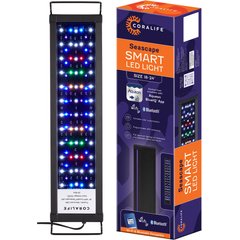
Tank size matters. While some shrimp can live in 5-gallon tanks, the water volume in larger aquariums stays more stable.
Also, always research whether your fish view invertebrates as tankmates or snacks. In general, if a fish or invert can fit in their tankmate’s mouth, then that’s where it will end up.
Aquarium Invertebrate Care Basics
Stability is key. Keep tanks fully cycled and perform weekly 20–30% water changes. Invertebrates are sensitive to ammonia, nitrites, and sudden parameter changes.
Most invertebrates graze naturally, but some may need supplemental feeding if their tank is very clean. And since shrimp and crayfish molt as they grow, leave shed exoskeletons in the tank so they can reclaim calcium.
Recommended Products
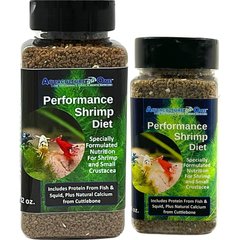
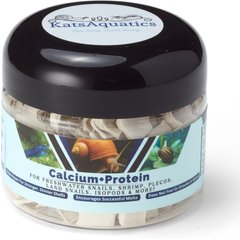
Avoid copper-based medications and algaecides, as copper is toxic to invertebrates. Always verify that water conditioners and fertilizers are invertebrate-safe.
Are Invertebrates Right for Your Aquarium?
Invertebrates thrive in established, stable aquariums and are perfect for aquarists seeking a low-maintenance cleanup crew or a more diverse ecosystem. Beginners can start with hardy species like nerite snails or cherry shrimp, while advanced hobbyists often explore coral reefs or breeding projects.
Invertebrates aren’t ideal for aggressive fish tanks or newly set up aquariums, but with thoughtful planning and compatibility research, they can transform your tank into a vibrant, healthy underwater world.
Adding invertebrates opens an exciting new dimension of aquarium keeping. Whether freshwater or reef, these fascinating animals bring beauty, balance, and life to your tank—rewarding patient aquarists with thriving ecosystems and endless discovery.
FAQs About Aquarium Invertebrates
What are the popular aquarium invertebrates?
In saltwater and reef aquariums, skunk cleaner shrimp and peppermint shrimp are popular. In freshwater fish tanks, nerite snails and cherry shrimp are among the most popular.
What are some easy freshwater invertebrates?
Cherry shrimp and nerite snails are the most beginner-friendly; they’re tolerant of mistakes, don’t need special feedings, and thrive in stable, cycled tanks with good water conditions.
What snails should you avoid in an aquarium?
Avoid snails you can’t easily control or that would eat your other animals. For example, mystery snails are prone to eating soft-leaved plants.
Attributions