Tetra Fish Care Sheet


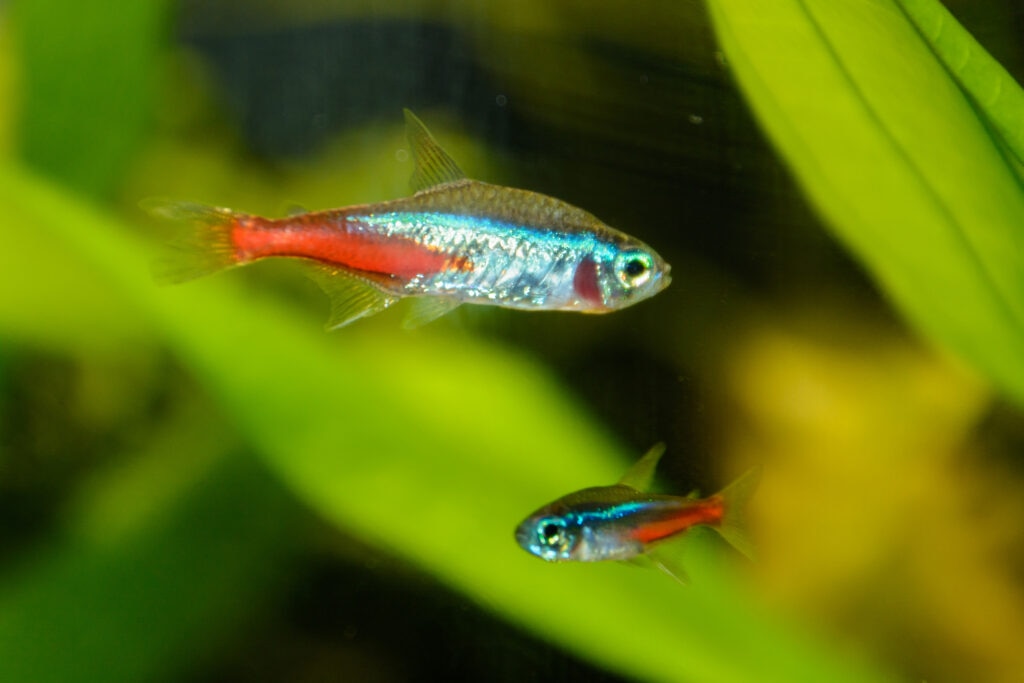
Photo by Евгений Хабаров/iStock/Getty Images Plus
Most tetras are small and active fish. They’re great for beginner fish keepers and can live with other types of fish. The family that includes tetras contains thousands of species including some big and aggressive species like piranhas and tiger fish, but this care sheet is focused on the species commonly suggested for community tanks.
If you’re thinking about getting tetras, here’s what you need to know to give them a long, healthy life.
Tetra Fish Overview
- With proper care, tetra fish live an average of 2–4 years.
- Most common tetras range from 1 to 3 inches.
- Types of tetras include:
-
- Neon
- Serpae
- Black neon
- Black skirt
- Cardinal
- Black phantom
- Bloodfin
- Diamond
- Bleeding heart
- Glowlight
- Congo
- Rummy-nose
Many of these species also come in color varieties such as albino or gold, and some are even available as GloFish (black skirt tetras and pristella tetras).
Fun Facts About Tetras
- Most tetras are calm and get along well with other types of fish.
- All of the common tetras are schooling fish and should be kept in groups of six or more.
- Some species can be fin-nippers. Nippy species include black skirts, serpaes, and bloodfins.
Tetra Fish Tank
You’ll need at least a 10-gallon fish tank for a group of small tetras, like neons. For larger species, like Congo tetras, you’ll need at least a 20-gallon tank. One inch of fish per gallon is a very rough guideline for stocking tetras.
Recommended Products
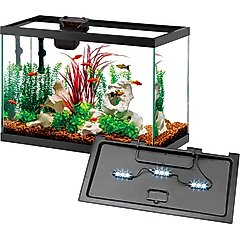
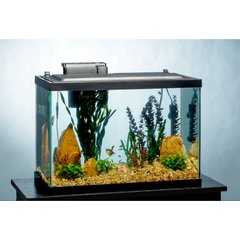
Tetras love schooling together, and they need to be kept in groups of six or more. They generally just school with their own species, so in a bigger tank with multiple species you’ll need a school of each type. Tetras are great for community tanks, so you can also keep them with other peaceful fish, like guppies, rainbowfish, and rasboras.
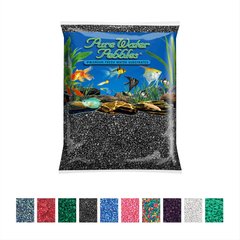
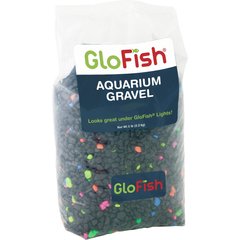
When setting up your aquarium, fill the bottom of the tank with 1–2 inches of gravel, pebbles, or sand. You’ll need about 1.5 pounds of substrate per gallon of water. The darker the substrate, the more the colorful tetras will stand out.
Recommended Products
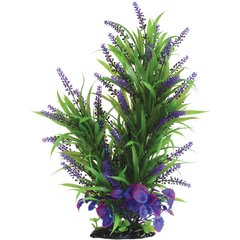
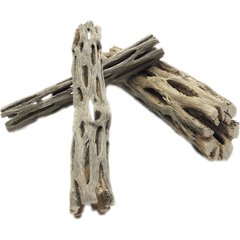
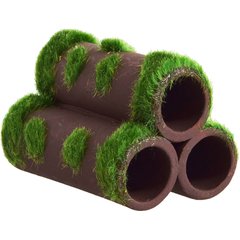
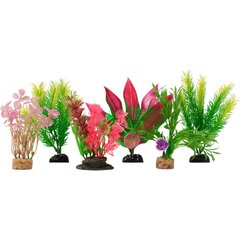
Tetras like a lot of open space to swim, but they also want some visual barriers and hiding spots. Live plants and driftwood make for a natural display, but any kind of display will do.
Recommended Products
There are lots of options for filtration for a community tank with tetras. Hang-on-back and internal and external canister filters all work well.
Recommended Products
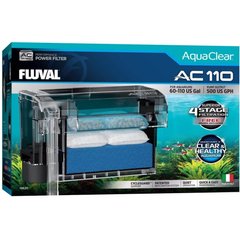
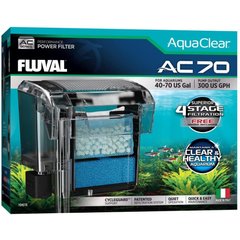
You’ll need a filter that processes the tank’s water at least five times per hour. So if you have a 20-gallon tank, the flow rate should be at least 100 gallons per hour (GPH).
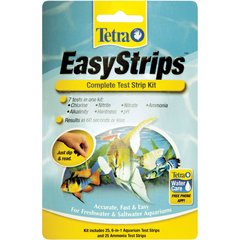
Regularly test water using an aquarium test kit to monitor for safe levels of ammonia, nitrate, and pH.
Recommended Product
Tank Temperatures
Keep the water temperature between 76–80 F. Temperatures should not fluctuate more than 2 degrees up or down in a 24-hour timespan. Monitor the temperature daily.
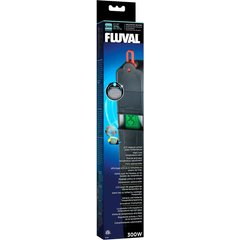
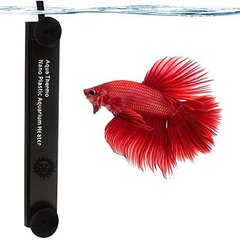
Most heaters will have an integrated thermostat, although a few are pre-set for an appropriate temperature. Select a heater rated at 3–5 watts of power per gallon of tank water. So, if you have a 10-gallon tank, you need a 30–50-watt heater.
For large aquariums more than 50 gallons, you may need to install two heaters to maintain the water temperature within the ideal range.
Recommended Products
Cleaning and Maintenance
Regularly performing water changes helps maintain your tank’s optimal condition. Remove and replace 10–25% of your aquarium’s water volume every two to four weeks.
Use a gravel vacuum when you perform the water change. Do not fully drain and replace your tank’s water all at once, as this hurts the good bacteria in your tank’s ecosystem.
You can clean your fish tank once a month, and you don’t need to remove your fish during cleanings.
Tetra Fish Food
Feed your tetra small amounts of fish food once or twice a day. Don’t offer more food than they can eat within one or two minutes.
Recommended Products
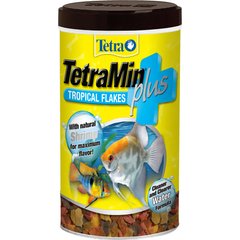
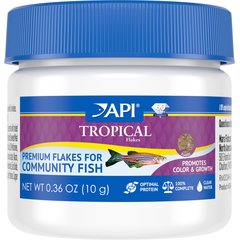
Give your tetras a variety of pellets, flakes, and frozen or freeze-dried foods that are formulated for tropical freshwater fish. If you use frozen food, make sure it’s fully thawed before feeding them.
Tetra Health
Tetras don’t need annual visits to a veterinarian. Reach out to an aquatics expert if you believe there’s a problem with your fish.
A healthy tetra maintains bright colors, has a good appetite, and swims normally. If you notice a change in their color, decreased appetite, lethargic swimming, or changes in body shape or appearance, such as growthsor spots, contact a fish expert right away.
Tetra Fish Supply Checklist
Before you bring your tetra home, make sure you have everything ready for them, including:
- Appropriately sized aquarium
- Freshwater substrate, like gravel or sand
- Dry and frozen tropical fish food
- Dechlorinator and beneficial filtration bacteria starter
- Test kit
- Filter and media
- Aquarium light, with a spectrum for plants if live plants are used
- Net
- Heater (or heaters, depending on size) and thermometer
- Live plants and/or decor
- Aquarium hood/cover
FAQs About Tetra Fish
How long do tetras live?
Most tetras live 2–4 years with proper care.
How many tetras should be kept together?
Keep at least six tetras together.
Why are tetras so hard to keep?
Tetras vary in hardiness. Black skirts, serpaes, Colombian tetras, diamond tetras, and other bigger species tend to be easier to keep. Cardinals and rummy-nose tetras, while beautiful, are more sensitive to water conditions.
Can tetras live with a betta?
Most tetra species can live with a betta, but avoid species prone to nipping fins like bloodfins, black skirts, and serpae tetras.
Click here for a downloadable PDF version of this care sheet!
Attributions