Starfish Care Sheet


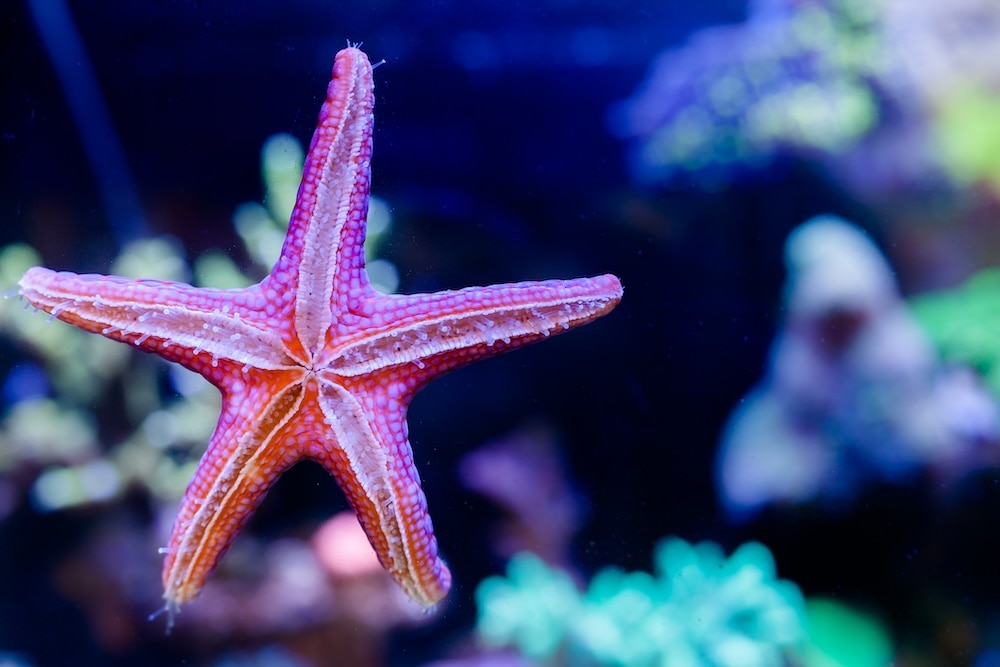
Photo by Tgordievskaya/iStock/Getty Images Plus
Starfish are a diverse group of marine invertebrates, ranging from small sand-sifting types to larger ornamental species. To provide proper care for a starfish, ensure you have everything needed to help them live a long, healthy life.
There are many species of starfish available for hobbyists. Some are suitable for beginners while others require a lot of expert care. Make sure to choose a starfish that meets your level of care.
Starfish Overview
- Though starfish have “fish” in their name, they’re actually marine invertebrates, not fish.
- Starfish don’t have a brain, heart, or blood, so their vascular system is very sensitive and doesn’t tolerate environmental changes well.
- With proper care, starfish can live up to 35 years, depending on the species.
Fun Facts About Starfish
- Their “eyes” are little spots at the ends of their rays (arms), which help them detect light.
- Starfish can regenerate detached limbs and create new starfish by breaking off a limb.
- To eat, a starfish forcefully removes their stomach through their mouth, surrounds their prey with it, then digests the food—all outside of their body.
Starfish Aquarium
Starfish must live in saltwater aquariums. Some smaller species may thrive in a nano-tank or even tanks as small as 10 gallons, while bigger species will need a 55-gallon tank or larger.
You can keep starfish in tanks alongside saltwater fish including angelfish, butterflyfish, hawkfish, and other peaceful varieties. Avoid putting a starfish in a tank with pufferfish, triggerfish, or boxfish, as they will prey on starfish. Size matters; small starfish species may still end up prey of larger ‘peaceful’ species.
Line the bottom of the tank with 1–2 inches of substrate.
Recommended Products

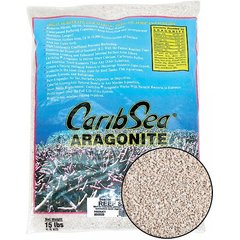
You’ll need at least 1.5 pounds of substrate for each gallon of water in the tank. This means a 30-gallon tank would need 45 pounds of substrate.
Add a small amount of marine salt until the specific gravity is between 1.023–1.025. This is roughly a half cup per gallon.
Recommended Product
Use a hydrometer or refractometer to measure salt concentration to make sure it doesn’t fluctuate by more than 0.001 over a 24-hour period.
Recommended Product

Appropriate temps for starfish will vary by species, but most tropical species should be kept in water from 76 to 82 F. Use an aquatic heater to monitor the temperature and keep it within range.
Aquarium heaters should have 2.5–5 watts of power for every gallon of water, so a 10-gallon tank needs a 25- to 50-watt heater. Larger aquariums may need two heaters.
Recommended Product

Starfish may appreciate regular stimulation, which they get through exploring the bottom of their tank. Include various textures and surfaces, like rocks, corals, and sand, at the bottom of the tank for entertainment.
Recommended Product

Rocks and corals also make great hiding spots. Starfish don’t need live plants, but live rock is important as a hiding place, food source, and for the tank’s filtration system.
Recommended Product

The tank’s filtration system is essential to your starfish’s quality of life. Get a filter with an adjustable flow rate to create moderate currents in the tank. Filtration for saltwater tanks is beyond the scope of this care sheet, but make sure your filter provides appropriate biological, chemical, and mechanical filtration.
Recommended Product

The filter should be able to process all the water five to 10 times in one hour. A 30-gallon tank needs a filter flow rate of at least 150 gallons per hour.
You’ll also need to regularly test the water to maintain stable ammonia, nitrate, and pH levels.
Recommended ranges include:
- Ammonia: 0
- Nitrites: 0
- Nitrates: no more than 15–20 ppm
- pH: 8.2
Use an aquarium test kit to monitor water quality.
Recommended Product
Routine water changes are the best way to maintain your tank. Change the water by 10–25% every two to four weeks by adding new water that’s the same temperature and salt concentration as the water currently in the tank.
Don’t fully drain the aquarium, as this creates a less stable environment. Clean your fish tank monthly.
What Do Starfish Eat?
Starfish enjoy a variety of meaty foods, including fresh, frozen, and pelleted options.
Recommended Products

Starfish are usually scavengers, so they’ll eat anything they come across like fish, sea urchins, mollusks, or crustaceans.
Some starfish eat algae, while others prefer corals. Feed your starfish two to three times a week, making sure to completely thaw frozen food before feeding.
Starfish Health
Monitor your starfish’s health by looking for even coloring, intact arms, and active feeding. If you notice color changes, decreased appetite, or sores, contact your aquatics expert.
Starfish Supply Checklist
- Aquarium
- Appropriate food (dry, fresh, frozen)
- Decor
- Marine aquarium salt and substrate
- Filter and water conditioner
- Water test kit
- Thermometer
- Heater
- Refractometer or hydrometer
- Live rock or other decor
Starfish FAQs
What is a starfish?
A starfish is a star-shaped marine invertebrate that moves through the water, sifting through sand and debris.
How long do starfish live?
Starfish can live up to 35 years, depending on the species and the level of care provided.
How big can starfish get?
How big a pet starfish gets depends on the species. Some reach up to 3 feet across, but most common varieties in the trade average 6 to 8 inches.
What is a sea star, as opposed to a starfish?
Sea star and starfish are the same animal, but “sea star” is a more accurate name, as they aren’t fish.
Are starfish fish?
No, starfish aren’t fish. They are marine invertebrates.
Click here for a printable PDF version of this care sheet!
Attributions