How To Quarantine Fish Properly


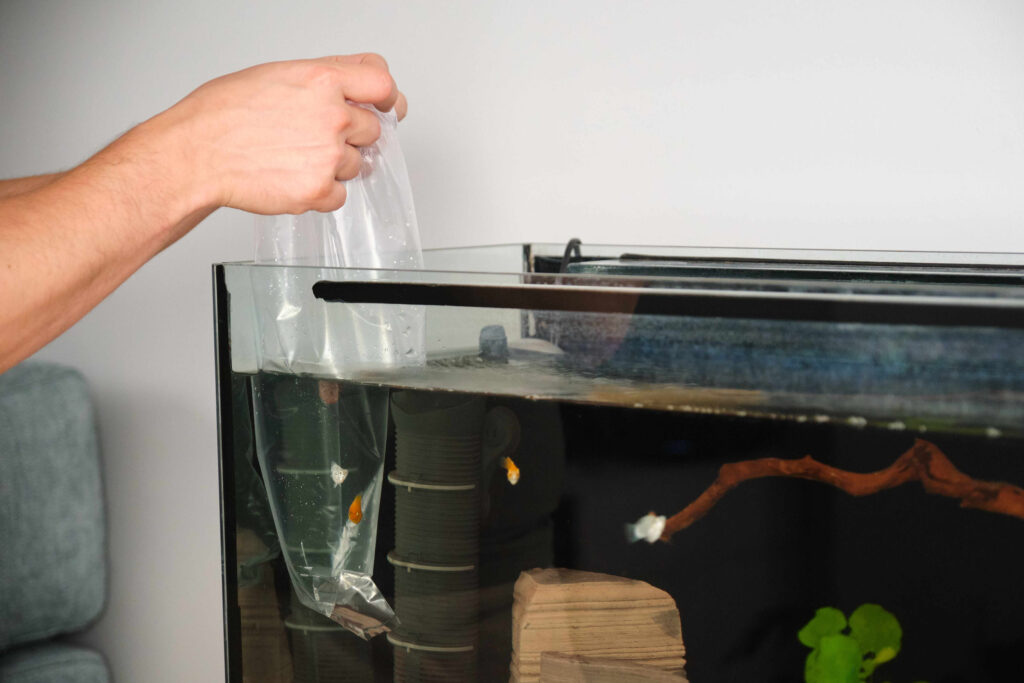
Photo by Ladanifer/iStock/Getty Images Plus
New fish can be stressed and carry hidden illnesses you don’t want to introduce into your aquarium, which is why it’s critical to quarantine any new finned friends.
Quarantining is a simple but necessary aspect of maintaining a healthy aquarium, and this article will teach you how to do it properly.
Key Takeaways
- Quarantine all new fish for two to four weeks to help prevent the introduction and spread of parasites and diseases to your main tank.
- A quarantine setup is used to monitor new fish every day for signs of illness or stress.
- Aquarium fish quarantines are isolated systems with basic equipment.
- After a minimum of two weeks, quarantined fish can be acclimated and introduced into your main tank if they are healthy and stable.
What Is a Fish Quarantine Tank?
A quarantine tank is a separate temporary aquarium used to isolate new or sick fish before they are introduced to the main display.
Quarantine tanks allow aquarists to observe new fish in a low-stress environment for an extended time, ensuring they are healthy and preventing diseases from entering the display. These isolated systems are also ideal places for treating sick fish.
Why Quarantine Matters
- Illnesses often show up after fish are in their new homes. By observing them during quarantine, you can prevent the spread of illnesses to established fish in your display tank.
- A quarantine tank allows you to target and treat individuals, while preventing negative effects in the main tank.
- New fish have been through a lot before they come to live with you, and some have traveled halfway around the world and likely endured a lot of stress along the way. A quarantine tank can allow your fish to peacefully acclimate to their new environment while giving you a chance to observe them.
Setting Up a Quarantine Tank
Consider the quarantine tank’s size, location, equipment, and setup to ensure the whole process goes smoothly and is successful.
Tank Size and Location
Quarantine tanks range between 10 and 20 gallons in size and should be large enough for the species of fish being quarantined. Place tanks in a quiet area with low traffic to reduce stress for your fish.
Recommended Products
Essential Equipment
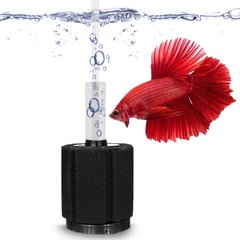
The quarantine tank needs filtration, such as a sponge filter or a hang–on back filter. Ideally this filter will be pre-seeded with beneficial bacteria from running it in an existing tank. Alternatively, you can add filtration bacteria to jump–start the aquarium cycle.
Recommended Products


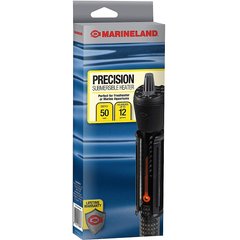
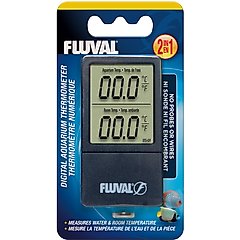
Most species will need a heater unless they’re coldwater species like goldfish. All tanks need a thermometer to make sure the proper temperature is maintained.
Recommended Products
Finally, you need a water testing kit to monitor water quality.
Recommended Product

Simple Setup Is Best
Unlike display tanks, quarantine tanks are minimalistic. These tanks should have bare bottoms to make it easy to monitor and clean out waste, and to prevent hospitable environments for pests.
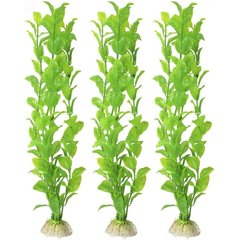
Any decorations should be limited to simple, easy-to-clean, plastic decorations or PVC pipes for the fish to hide in.
Recommended Product
How To Quarantine Fish Properly: Step-by-Step
Step 1: Prepare the Quarantine Tank
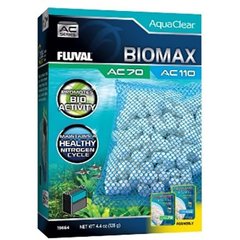
Prior to use, the tank needs to be cycled with nitrifying bacteria to make it safe for new fish. Cycling a bare bottom tank can be tricky because the bacteria need surfaces to live on. A filter with plenty of area for bacteria, such as a sponge filter, is ideal to overcome the lack of substrate.
Recommended Product

If possible, add some filter media from an established system to help get things started. Since your fish will eventually be living in your display tank, try to get the water parameters as close to that system as possible.
Recommended Product
Step 2: Acclimate the New Fish
Acclimating allows your fish to get used to the new tank water and prevents them from being shocked. The key things to look at are:
- Temperature
- pH
- Hardness
- Salinity (if saltwater fish)
There are two types of acclimation you can choose from: temperature and drip.
Temperature Acclimation
Keep the new fish in their (still sealed) bag, allowing it to float on the water of the quarantine tank for approximately 15 minutes or until the temperature in the bag is the same as the temperature in the tank.
Once the temperatures match, carefully open the bag and use a net to move just the fish to the quarantine tank. Do not add bag water to the tank.
Drip Acclimation
Open the bag and place the fish and all the water from the bag into a clean bucket. Take a piece of airline tubing long enough to reach from the tank to the bucket and tie a loose knot in it.
Recommended Product
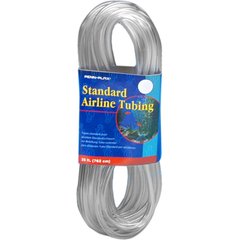
Secure one end of the tubing in the tank and the other in the bucket. Start a siphon so that water flows from the tank into the bucket. Tighten or loosen the knot to adjust the flow of the water so it is a slow, steady drip.
After 15–30 minutes, the initial water volume in the bucket should have doubled, and the fish can be moved from the bucket into the tank.
Note that for fish that have been in transit for a long time (such as from an online fish store) there is a risk of ammonia toxicity with drip acclimation. With long transit time, the pH in the bag drops due to the fish breathing. This converts ammonia to ammonium,which is far less toxic.
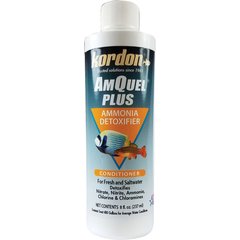
A drop acclimation process raises the pH and causes ammonium to convert back to ammonia. To prevent ammonia toxicity, add a small amount of ammonia binder to the water.
Recommended Product
No matter what method you use, try to avoid getting water from the bag into the tank, and keep the area you are working in quiet and dimly lit to limit your new fish’s stress.
Step 3: Observe Daily
One of the many benefits of quarantining fish is that it allows you to closely observe and familiarize yourself with their normal behaviors and activity levels.
- Spend some time each day watching your fish to make sure they are eating and getting enough food.
- Look for abnormal behaviors or signs of illness (see below)
Spotting signs of illness early can be the difference in successfully treating the illness.
Step 4: Maintain Water Quality
Just like with a display tank, water quality is a crucial piece of ensuring your fish’s health while in quarantine. Regularly test the water parameters, paying close attention to:
- Temperature
- Ammonia
- Nitrite
- Nitrate
- pH
- Salinity (if the quarantine is saltwater or salt is part of a treatment plan)
In addition to testing the water, perform necessary water changes of about 10–20% weekly. In between water changes, remove any waste and uneaten food to keep the tank clean.
Step 5: Treat If Necessary
As your fish go through quarantine, you may notice symptoms of illness. These symptoms will help give you an idea of what illness or parasite your fish has and help you identify what medications you need.
If treatment is needed, it’s important to follow the dosage instructions on the medication carefully. Only add what is recommended; too much of certain medications can cause serious problems.
Note than some fish medications can disrupt the biological filtration, so be prepared to re-seed filters, add ammonia binders, or perform water changes in conjunction with certain treatments.
If you have any questions, contact a local fish expert.
Step 6: Complete the Quarantine Period
The minimum recommended quarantine duration is two to four weeks. If a fish starts to show symptoms or abnormal behavior during the middle of quarantine, they need to be treated, and the quarantine time resets once they are symptom–free.
Signs of Illness to Watch For
The earlier you identify that something is wrong with your pet fish, the better the chances of finding an effective treatment and preventing potential issues from spreading to other fish in the tank. These are some common symptoms to look out for:
Common Symptoms
- Small or large white spots
- Fuzzy growths or lesion
- Rapid breathing
- Loss of appetite
- Erratic swimming
- Cloudy or bulging eyes
- Bruises or ulcers
- Missing scales or tattered fins (fin rot)
- Swelling
- Discoloration
When To Move Fish to the Main Tank
Once your fish have been symptom-free in quarantine for two to four weeks, you can have confidence to move them into their new home. Fish should be eating regularly and exhibiting normal swimming behavior. They should have good coloring, clear eyes, and a smooth, healthy appearance on body and fins.
Safe Transfer Tips
- Prior to adding new fish, feed the fish in your display tank to help reduce any aggression toward newcomers.
- If there is concern of aggression, consider using an in-tank acclimation box that allows the new fish to become familiar with their tankmates and home.
- If adding to a tank of aggressive territorial fish such as cichlids, consider rearranging the décor so the fish will reestablish territories when you add new fish. Add more than one new fish at a time to spread out aggression.
- Acclimate fish to their new system by using the same acclimation technique as for the quarantine tank, but use a clean net to transfer them to the new tank. It’s important to get as little water from the quarantine tank into the display as possible.
Quarantine is a key step to any healthy aquarium and is a critical part of being a responsible fish keeper.
Spending a short time to quarantine your fish is an easy way to boost the long-term success of your aquarium and prevent major issues in the future.
Attributions