Fin Rot in Fish: Signs, Causes, Treatment, and Prevention

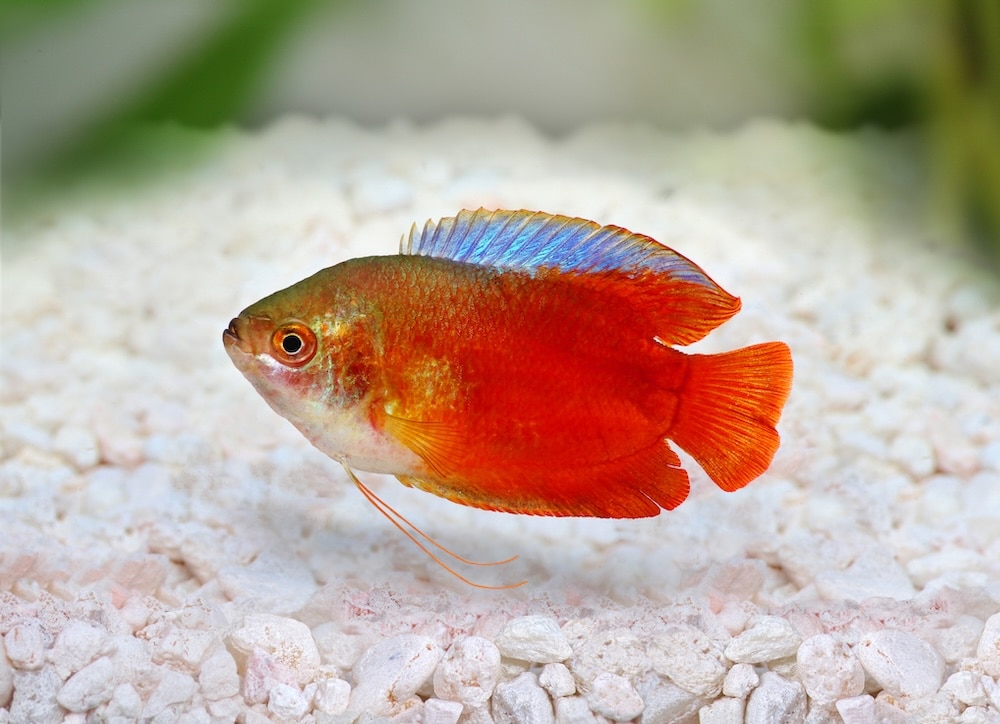
Photo by Mirko_Rosenau/iStock/Getty Images Plus
If your fish’s fins look frayed or “melty,” fin rot might be the reason. Fin rot in fish is common in poorly managed tanks, so it’s important for fish hobbyists to always keep their tank maintenance in proper order and know the signs of common fish diseases.
Key Takeaways
- Fin rot in fish is often linked to stress and poor water quality, which can set the stage for bacterial disease.
- Early signs can be subtle—ragged fin edges, fading color, or tiny tears that keep getting worse.
- Fixing tank conditions (water quality, crowding, bullying) is a key part of recovery—not just treating the fins.
- Your local fish store or aquarium society can be a great source for advice when dealing with fin rot.
What Is Fin Rot in Fish?
“Fin rot” is a common name for when a fish’s fins (and sometimes their tail) start breaking down.
In many cases, bacteria that are normally present in the environment take advantage when a fish is stressed or the water quality is poor. In other words, it’s usually a tank-health issue first and a fin issue second.
Fin Rot vs Simple Fin Damage
Not every torn fin is fin rot. Fish can rip fins on sharp decor, get their fins nipped by tankmates, or develop minor wear and tear.
Here are a few clues that damage may be turning into fin rot:
- The edge of the fin or tail looks increasingly ragged or “shredded” over time instead of slowly regrowing
- The fin edge changes color (e.g., pale/white, darker, or red) or looks irritated at the base
- Your fish seems stressed (e.g., hiding more, acting listless, or eating less)
What Causes Fin Rot in Aquarium Fish?
Fin rot is typically tied to stressors that make fish more likely to develop bacterial disease.
Common problems linked to bacterial disease in fish include:
- Dense populations
- Poor water quality
- Organic waste buildup
- Handling/transport stress
- Big temperature swings
- Low oxygen
- Other stressors
Common “setups” that can trigger fin rot include:
- An uncycled or unstable aquarium (new tank syndrome)
- Overstocking, crowding, or poor tankmate compatibility (chasing, fin nipping)
- Infrequent maintenance leading to waste buildup (uneaten food, dirty substrate)
- Sudden changes in temperature or water parameters
Why Water Quality Matters So Much
Water quality problems don’t just irritate fish; they can also increase stress and make fish more vulnerable to infection. For example, ammonia is a key water quality concern. Even low levels can stress fish and damage tissues, and chronic exposure makes fish more susceptible to bacterial infections.
Signs of Fin Rot in Fish You Can Spot
Fin rot often starts small, so it helps to know what you’re looking for. If you keep an eye on your fish during feeding time, you’ll usually notice changes early.
Early Signs
Early fin rot symptoms may include:
- Slight fraying or “stringy” fin edges
- Fins that look faded, dull, or a different color at the tips
- Small tears that don’t seem to heal
Moderate to Severe Signs
As fin rot progresses, you may see:
- More obvious fin loss (fins look shorter day-to-day)
- Redness, irritation, or tissue damage closer to the fin base
- Sores on the body or signs of a wider infection (more urgent)
When Fin Rot Might Be an Emergency
Fin rot can become serious if the fish is very stressed or the infection spreads. Immediately contact an aquatic expert if:
Fin Rot Treatment for Fish: What to Do First
Fin rot treatment usually works best when you do two things at once: (1) fix the tank conditions that caused the problem, and (2) get help for the fish if infection is suspected or the condition is progressing. Skipping Step 1 is a common reason fin rot keeps coming back.
Step 1: Check and Improve Water Quality
Start with the basics. Poor water quality and stress are common risk factors for bacterial disease outbreaks, so improving the environment is a top priority.
A practical first aid checklist:
- Test the water (ammonia, nitrite, nitrate, and pH) so you know what you’re working with.
Recommended Product
- Do partial water changes as needed to bring parameters back into a safe range (follow your conditioner and tank-care directions).
Recommended Products
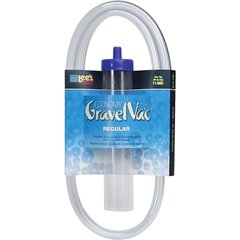
- Remove uneaten food and clean debris from the substrate.
Recommended Product
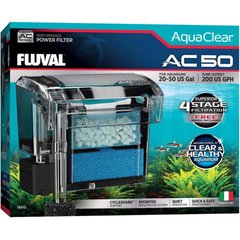
- Double-check that your filter is working properly and not clogged.
Recommended Products

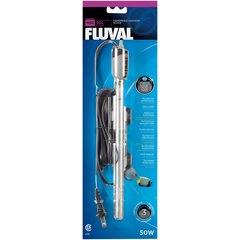
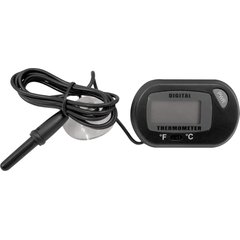
- Keep temperature stable—avoid sudden swings.
Recommended Product
Recommended Product
Step 2: Reduce Stressors (Crowding, Bullies, Sharp Decor)
If a fin-nipping tankmate is involved, no amount of “perfect water” will fix the problem if the fish keeps getting injured. Look for chasing, pecking, or biting during feeding and at night.
Also check decor, as anything rough or sharp can turn fins into confetti.
Step 3: Consider a Hospital or Quarantine Tank
Quarantine is one of the most useful tools in fish health. Many fish disorders are linked with stress, overcrowding, poor water quality, and failure to quarantine sick fish or new fish stressed from transport.
A simple hospital tank can help by:
- Preventing bullying and giving fins a chance to regrow
- Making it easier to keep water clean and stable while your fish recovers
- Letting you monitor appetite, poop, and behavior more closely
Step 4: When Medication May Be Needed
Some fin rot cases improve with better water quality and reduced stress. But if your fish is worsening, your aquatic expert may recommend diagnostics and targeted treatment.
Sensitivity testing before antimicrobial use is recommended—this helps match treatment to the actual bacteria involved. Realistically, this is a rarely an option for the home aquarium.
Because fish medications can affect the tank’s beneficial bacteria and may not be appropriate for every situation, it’s safest to work with a fish-savvy veterinarian or fish expert for medication choices and exact directions.
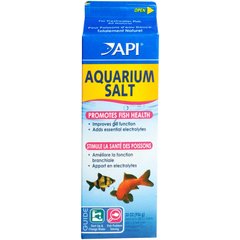
Given the restrictions on antibiotic use, and challenges with finding an aquatic veterinarian, often the most practical course of action is to add therapeutic salts, perform frequent water changes, and elevate the temperature of your tank.
Salt levels of roughly 3–5 ppt, 10–15% daily water changes, and bumping up the temperature to around 82 F (for tropical species) may be the best option.
Recommended Product
How Long Does Fin Rot Take to Heal?
Healing time depends on how early you catch the problem and how quickly the tank environment improves. Many fish start looking better once the fin damage stops progressing and appetite and activity return.
Signs you’re moving in the right direction:
- Fin edges stop shrinking and look smoother over time
- Your fish is eating normally and acting more like themself
- You see new fin growth (often clear or lightly colored at first)
If fin loss continues day after day or if new sores show up, that’s a sign to call your veterinarian or aquatic expert.
How To Prevent Fin Rot in Fish
Fin rot prevention is mostly about keeping stress low and water quality steady. Think of it as building a tank that supports your fish’s immune system—and makes your life easier, too.
Build a “Low-Stress” Aquarium Routine
A few habits go a long way:
- Keep up with regular water changes and basic tank cleaning.
- Avoid overstocking and choose compatible tankmates.
- Feed an appropriate amount so food doesn’t rot in the tank.
- Maintain stable temperature and filtration.
- Test water regularly, especially after adding fish, changing decor, or adjusting the filter.
Quarantine New Fish Before They Join the Main Tank
Quarantining new fish helps you spot problems early and reduces the chance of spreading disease. It also helps new arrivals recover from transport stress before they meet the resident fish.
When To Call an Expert About Fin Rot in Fish
Fish can go downhill quickly, and many conditions can look similar at first. Contact an aquatic expert if:
- Your fish is not eating, is acting very lethargic, or is worsening despite improved tank conditions
- More than one fish in the tank shows frayed fins or illness signs
- You see body ulcers, swelling, or rapid decline
FAQs About Fin Rot in Fish
What is fin rot in fish?
Fin rot is a condition where fins start fraying and breaking down. It’s often associated with stress and poor water quality that can set the stage for bacterial disease. Improving tank conditions immediately can make a big difference.
What causes fin rot in aquarium fish?
Common triggers include poor water quality, waste buildup, crowding, aggressive tankmates, and sudden temperature or water parameter changes. These stressors can make fish more vulnerable to infection.
Is fin rot contagious?
Fin rot itself isn’t always “contagious” in the way a cold is, but multiple fish can develop similar problems if they share the same stressful conditions or if a disease organism spreads in the tank. Quarantine and good hygiene help reduce risk.
Can fin rot heal without medicine?
Mild cases sometimes improve when water quality and stressors are fixed quickly. If fin loss continues, your fish seems sick, or multiple fish are affected, contact a fish-savvy veterinarian or aquatic expert for diagnosis and treatment guidance.
How do I tell fin rot from fin nipping?
Fin nipping often looks like clean bites or repeated tears, while fin rot tends to look progressively ragged with fraying that worsens over time. Both problems matter—fin nipping can lead to infection if it keeps happening.
How long does it take for fins to grow back?
Fin regrowth depends on the species and how severe the damage is. You may see clear or pale new fin edges first, and full regrowth can take weeks.
What should I do first if I think my fish has fin rot?
Start by testing water quality and removing stressors (e.g., bullying tankmates, sharp decor, overcrowding). If your fish is worsening or not eating, reach out to an aquatic expert.
Attributions
This article was created with assistance from AI tools. The content has been reviewed for accuracy and edited by a human.