How To Spot and Treat Neon Tetra Disease in Fish


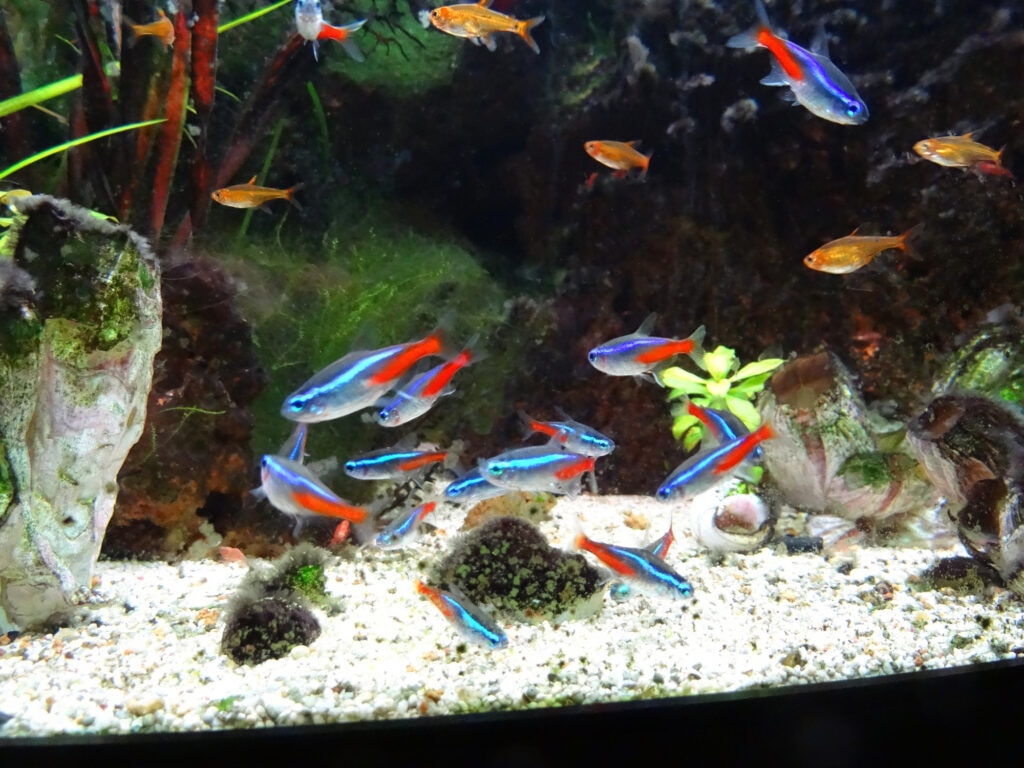
Photo by mtreasure/iStock/Getty Images Plus
If you keep freshwater fish, neon tetra disease (NTD) is one condition you’ll want to know about. While it’s most associated with neon tetras, this parasite can affect other species too.
This article walks you through the symptoms of neon tetra disease, how it’s treated, and what you can do to help prevent it.
Key Takeaways
- Neon tetra disease is caused by a tiny parasite that affects many species of freshwater fish.
- Neon tetra disease is highly contagious and can be transmitted via infected fish and low-quality live foods.
- Quarantining all newly introduced fish is crucial to preventing neon tetra disease.
- Maintaining ideal water quality and reducing stress is also critical to preventing an outbreak.
What Is Neon Tetra Disease?
Neon tetra disease refers to the freshwater parasite, which originated in the Amazon basin. This single-celled parasitic fungus can infect a variety of fish species.
Freshwater fish species commonly affected by neon tetra disease include:
Neon tetra disease is often confused with other fish diseases because symptoms like lethargy, spinal deformities, and discoloration can also indicate other common fish health issues.
Signs and Symptoms of Neon Tetra Disease
It’s important to learn how to spot the signs of neon tetra disease so you can take action as soon as possible.
Physical Symptoms
- Faded coloring or lightened patches
- Visible lumps caused by cysts
Behavioral Symptoms
- Isolation and swimming separately from the school
- Difficulty swimming, due to muscle damage
- Restlessness and constant swimming, especially at night
Advanced Symptoms
- Spinal curvature or deformities
- Secondary infections, such as fin rot
What Causes Neon Tetra Disease?
Pleistophora hyphessobryconis can be found in live foods such as bloodworms or brine shrimp that were infected with the parasite prior to being packaged for sale as fish food and treats.
Additionally, fish can spread the parasite through direct contact, most commonly from eating deceased tankmates.
The parasite invades a fish’s skeletal muscles and multiplies, forming spore-filled nodules or cysts on the muscles. As the muscle tissue is destroyed, pale patches appear and the muscles weaken, eventually leading to death.
How To Treat Neon Tetra Disease
There is no known cure for NTD. If your fish is sick, it’s time to mitigate the potential infection on other tankmates, as there is no cure for symptomatic fish.
Unfortunately, the parasite that causes NTD will eventually take over a fish’s body, causing death. Many NTD symptoms reduce quality of life, so the most humane thing to consider for your fish is euthanasia.
Once NTD is suspected in a fish, you must focus on saving your other fish that may have been exposed. Move the sick fish to a quarantine tank as soon as possible. Until you’re certain all the other fish are healthy, don’t add new fish to your aquarium.
NTD spores can live in the tank for months after a sick fish is removed. Don’t add any new fish unless the current residents are free of symptoms for several weeks. You could risk a complete loss of livestock.
What To Do If Neon Tetra Disease Appears in Your Tank
If NTD is suspected in your tank, follow these steps:
1. Remove the sick fish and provide appropriate care in a quarantine tank.
2. Closely monitor the rest of the fish in the main aquarium.
3. Consider adding a UV filter to the main aquarium, which will kill the parasite in part of its life cycle.
Recommended Products
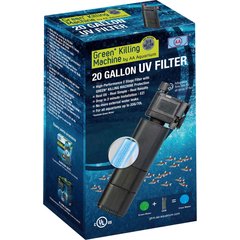
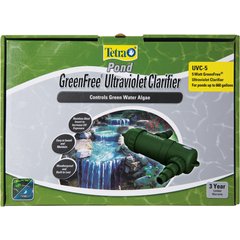
4. Maintain excellent water quality and provide high-quality nutrition.
5. Reduce stress by maintaining good water quality and elevated temperatures.
6. Do not add new fish to your main aquarium without quarantining them in a tank separate from your medical quarantine tank.
How To Prevent Neon Tetra Disease
Follow these tips to help prevent disease in your fish tank:
- Always quarantine new fish for a minimum of 14 days to ensure they are healthy and eating well before adding them to a main aquarium.
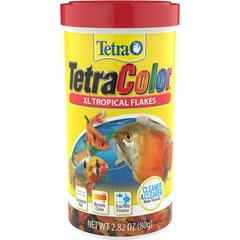
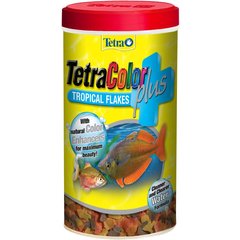
- Feed high-quality food like the following commercial pellet and flake foods, and make sure live foods are purchased from reputable sources.
Recommended Products
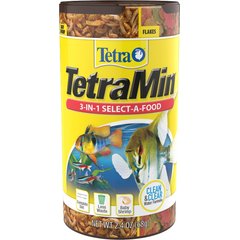
- Avoid purchasing sick fish by choosing those with the following signs of health:
-
- Larger individuals with healthy, filled-out (but not bloated) bodies
- Bright and vibrant colors without blemishes
- Swimming normally and with the rest of their school
- Appetite when offered food
- Observe bio-secure habits, such as washing hands and tools between uses, to avoid cross-contamination.
Neon tetra disease is highly contagious. But preventative care, such as quarantining, providing high-quality nutritious food, and maintaining good water quality, can go a long way in helping to keep this parasite from getting a “finhold” in your tank.
Frequently Asked Questions About Neon Tetra Disease
Can neon tetra disease spread to humans?
No, neon tetra disease cannot spread to humans.
How long can the parasite survive in a tank?
Spores of the parasite that causes neon tetra disease can survive in a tank for months.
Can other tetras get neon tetra disease?
Yes, neon tetra disease is easily transmissible and many other tetras can be infected.
Should you tear down the tank?
Once you confirm an active NTD infection, you don’t have to tear down the tank, but you should quarantine infected fish and avoid adding new fish to the system until you know NTD spores are no longer present.
Attributions