Barbs Care Sheet


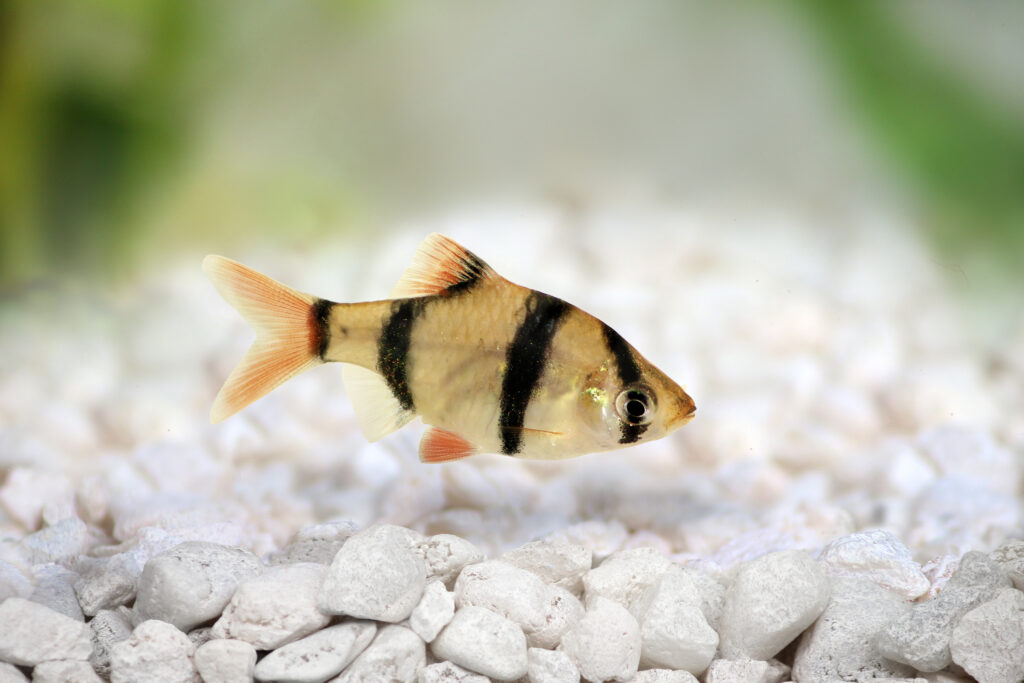
Photo by Mirko_Rosenau/iStock/Getty Images Plus
Barbs are small, colorful fish that are great for beginner fish owners. This care sheet is focused on some of the common barb species in the fishkeeping hobby. If you’re looking to start caring for barbs or recently got some, here’s what you need to know about these freshwater fish.
Barb Fish Overview
- Barb fish vary widely in size. Depending on species, they range from 1.5–14 inches.
- Barbs are good for beginner fish owners.
- Barb fish tend to have a lot of energy and are highly active swimmers.
Fun Facts About Barbs
- There are hundreds of different species of barb fish.
- These schooling fish prefer to be in groups, so keep at least six in the tank at once.
- Barbs vary in temperament, but you can match them with other community fish that have similar needs, like tetras, rainbowfish, mollies, or platies.
Common Types of Barbs
Tiger Barbs
Tiger barbs are by far the most popular barb species. They are very pretty and extremely active. Tiger barbs come in many color varieties including albinos, greens, and even GloFish.
These fish are prone to being fin-nippers and can be considered semi-aggressive. They can grow up to 3 inches long, should be kept in schools of six or more, and will need at least a 20-gallon aquarium when mature.
Cherry Barbs
Cherry barbs are another common variety, and they’re the opposite of tiger barbs in many ways. These are small, peaceful fish, rarely exceeding 1.5 inches in length.
Cherry barbs get their name because the males are bright red.
Rosy Barbs
Rosy barbs are another mid-sized fish—about 3 inches long. They are very active and rambunctious like tiger barbs, but they are usually not bad fin-nippers.
Neon rosys, gold neons, and red glass barbs are all color varieties of rosy barbs.
Tinfoil Barbs
Tinfoil barbs are a lot like rosy barbs in temperament, but they get bigger, reaching more than a foot long.
Often kept as a dither fish (peaceful, active fish added to an aquarium to signal safety and reduce stress) alongside more aggressive species, tinfoil barbs are fast enough to be in a tank with larger cichlids. They’ll need at least a 75-gallon tank as adults.
Barb Fish Aquarium
When evaluating tanks, look for those that are longer than they are taller and have a large surface area for improved oxygen exchange.
Tank size will depend on the species. Cherry barbs or other smaller species can live in a 10-gallon tank, while tiger barbs or rosy barbs need at least 20 gallons.
Recommended Product
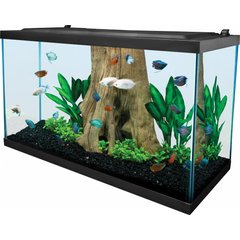
Remember, bigger is better. Larger tanks are more stable and it’s easier to maintain good water quality.
Barbs are schooling fish who thrive in groups. Keep at least six of each species in a tank.
Suitable tankmates for barbs depend on which species of barb you’re keeping.
- Cherry barbs work great with other placid tankmates like tetras, cory cats, and danios.
- Tiger barbs work best with other fast-moving fish like rainbowfish.
- Rosy barbs mix well with gouramis, loaches, and bigger tetras.
Add about 1–2 inches of fine gravel or sand that’s suitable for a freshwater aquarium to the bottom of the tank.
Recommended Product
You’ll need 1.5 pounds of substrate for every gallon of water in the tank.
Barbs do best with structure in the tank to create some visual barriers, so add plants and rocks throughout the habitat.
Recommended Products

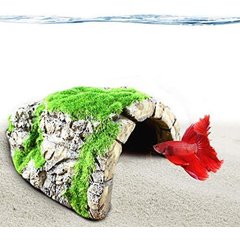
Place your decor around the edges or along the back of the tank so they still have lots of open swimming space.
Water and Filtration
You have lots of options for filtration for a community tank with barbs. Hang-on-back and internal and external canister filters are all good options.
Recommended Product
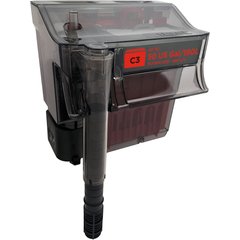
You’ll need a filter that processes the tank’s water at least five times per hour. So if you have a 20-gallon tank, the flow rate should be at least 100 gallons per hour (GPH).
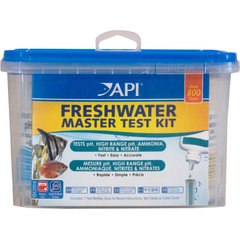
Test the tank water every week for the first two months after setting up your aquarium. Using a testing kit, check levels of ammonia, nitrate, and pH to ensure they’re within the appropriate range.
Recommended Product
Keep the water temperature at 76–80 F, and don’t let it change by more than 2 degrees within 24 hours. You can add a heater, like this one from Tetra, to ensure the temperature stays within the ideal range.
Recommended Product
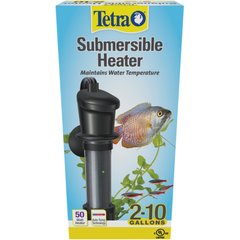
Heater wattage depends on the size of your tank. You’ll need 2.5–5 watts for every gallon of water in the tank. So a 10-gallon tank needs a 25–50 watt heater.
Larger aquariums can run on a larger heater, or alternatively, using two smaller heaters that combine for the correct wattage can prevent heaters from failing.
Make sure you have a thermometer to monitor the temperature in the tank and catch any heater issues before they could harm your fish.
Cleaning and Maintenance
Cleaning an aquarium tank is more complex than cleaning many other types of animal enclosures. You need to replace 10–25% of the tank’s total water volume every two to four weeks.
Use a gravel vacuum when you perform a water change to remove waste buried in the substrate.
Recommended Product
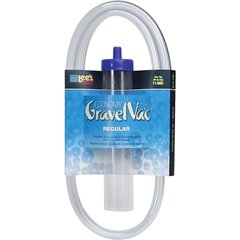
Routine water changes are best for maintaining your tank’s condition. Never fully drain the aquarium—this can negatively affect the good bacteria that’s built up in the tank.
When it’s time to clean your tank, follow these steps:
- Turn off the filter and unplug the water heater.
- Wipe the interior walls first. Algae on your glass and decor may be unsightly but it doesn’t bother the fish. You can clean decor in hot water if needed, but never use chemicals.
- Use a gravel vacuum to clean the substrate. Then change the filter cartridge or clean the filter media following the manufacturer’s instructions.
- Refill the tank using dechlorinated tap water. You can use bottled water but never distilled bottled water.
You don’t need to remove your fish from the tank during cleanings.
What Do Barbs Eat?
Feed your barbs once or twice a day, depending on the species. They need high-quality commercial fish food, like flakes, pellets, freeze-dried, and frozen options.
Recommended Products


Barbs are omnivores and enjoy bloodworms and brine shrimp as occasional treats.
Recommended Products
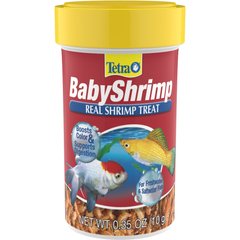

Feed your fish only as much as they can eat within one or two minutes. Frozen food must be fully thawed before mealtime; never feed your fish unthawed frozen food.
Barb Health
Watch your fish daily and observe their behavior; changes can be the first signs of health issues. They should be actively swimming, with clear eyes and clean fins.
Fish that are not eating, lethargic, lying on the bottom, gasping at the top, or scratching on the gravel may be sick.
If you notice anything out of the ordinary, such as decreased appetite or weight loss, changes in gill color, dull coloration, or bumps or lumps, call a fish expert. Be sure to check that the heater and filter are functioning and test the water parameters.
Barb Fish Supply Checklist
Before bringing barb fish home, make sure you have all your supplies at the ready, including:
- An appropriately sized aquarium
- Freshwater substrate
- Tropical fish food
- Decor and plants
- Dechlorinator and beneficial filtration bacteria starter
- Test kit
- Filter and media
- Aquarium light, with a spectrum for plants if live plants are used
- Net for catching fish if needed
- Heater and thermometer
- Gravel vacuum siphon
Barb Fish FAQs
Are barbs aggressive fish?
Some species are pesky fin-nippers while others are peaceful. Tiger barbs tend to be aggressive. Keep them in larger groups to reduce fin-nipping, and do not keep them with slow tankmates that have long fins.
How many barbs should be kept together?
Keep barbs in groups of at least five or six.
Are barbs good community fish?
Absolutely, as long as you mix them with compatible species.
Can barbs live with tetras?
There are hundreds of species of tetras and hundreds of species of barbs. As long as you mix species with similar temperaments, they can live together. For example, rosy barbs and black skirt tetras do well together, as well as cherry barbs and pristella tetras.
Will barbs jump out of a tank?
As long as you have a fitted lid on your aquarium, you won’t have to worry about your barbs jumping out.
Click here for a downloadable PDF version of this care sheet!
Attributions