How To Heat Your Home Aquarium Safely and Effectively


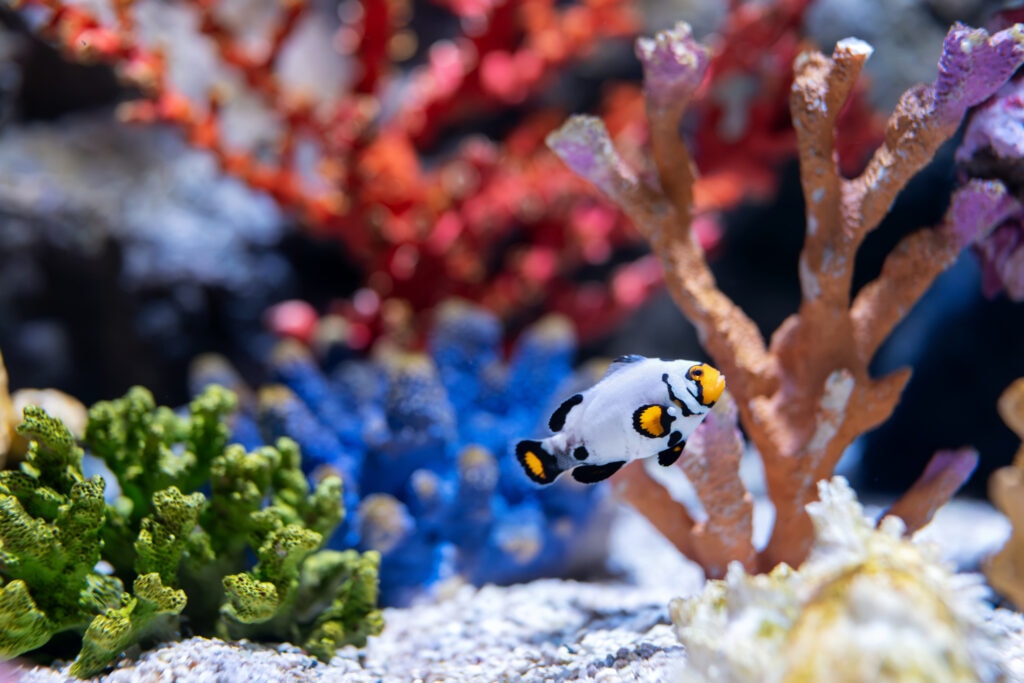
Photo by Patamaporn Umnahanant/E+
If you’re wondering how to heat a fish tank, aquarium heaters are the clear solution. Easy to install and designed for reliable, consistent performance, they are an essential component of any tropical aquarium.
Proper heating helps to ensure fish have optimal living conditions and stay healthy. Heaters are simple to set up and install, but they come with risks you need to be aware of.
Key Takeaways
- Proper water temperature is critical to the health of fish.
- Temperature requirements for individual species vary, so program your heater for the fish in your tank.
- Know the risks that come with heaters so you can prevent problems before they occur.
- Tank heaters come in various sizes. For every gallon of water in your aquarium, you will need 3–5 watts of power.
Why Aquarium Heating Is Important
Water temperature plays an important role in your fish’s health and behavior. Signs that your fish feel too cold include:
- Sluggishness
- Reduced appetite
- Stress
-
- Erratic behavior
- Rapid breathing
- Changes in coloration
Heating your aquarium properly helps to ensure your fish stay healthy by reducing the risk of stress, parasites, illnesses, and diseases. As fish are ectotherms (cold-blooded), you need to provide environmental temperatures that allow their immune system to function properly.
Fish can handle a range of temperatures, but rapid fluctuations can cause them undue stress. A fish tank heater can help with this, as it’s designed to keep your fish tank at a certain temperature, plus or minus a degree.
Recommended Products
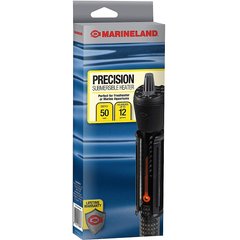
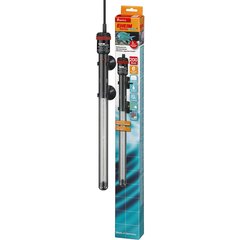
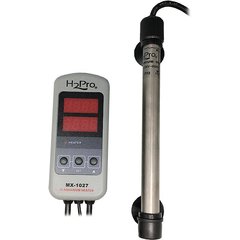
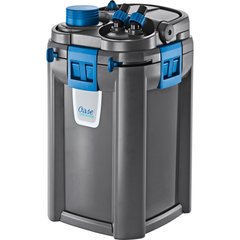
A heater lets you easily control your aquarium temperature so it’s always within proper range.
What Temperature Does Your Aquarium Need?
The ideal temperature ranges for aquarium fish are:
- Tropical freshwater fish: 76–80 F
- Saltwater fish: 78–80 F
- Coldwater freshwater species (koi and goldfish): 65–75 F
- Coldwater saltwater species: 52–65 F
While fish can be grouped into these broad categories, it’s still important to research individual species’ needs, as there can be some variations in terms of their ideal temperatures based on their natural habitats. Preventing rapid temperature fluctuations is the more critical concern.
Choosing the Right Aquarium Heater Size
Choose a heater, or a combination of heaters, that produces 3–5 watts of power for each gallon of water your aquarium holds. If your aquarium is in between sizes, go with a heater that has a higher wattage, as it won’thave to work as hard to maintain the temperature of the water.
If your aquarium is in an area of the room that is cooler than the temperature for your fish, your heater will have to work harder to maintain the temperature. Consider sizing up if the room your aquarium is in tends to stay cooler.
Aquarium heater wattage typically starts at 50 watts and goes up to 400 watts. The average aquarium (up to 75 gallons) can run with a single heater, but for tanks bigger than about 30 gallons, it may be safer to utilize two heaters to meet the required wattage. If one of the heaters fails it won’t overheat or cool as rapidly.
How To Safely Install an Aquarium Heater
When you get your aquarium heater, always follow the manufacturer’s instructions for how to set the temperature and where to place the heater in your aquarium.
Heat produced by tank heaters can cause damage to items in your aquarium, so it’s crucial to place it away from other equipment like filter materials and to set it up in an area that has good water flow.
Since the thermostat is typically integrated with the heater, you want good water flow around the heater to ensure the tank is heated throughout.
Setting and Monitoring Aquarium Temperature
Measure your aquarium’s temperature using either a simple digital thermometer or an analog thermometer.
Recommended Products
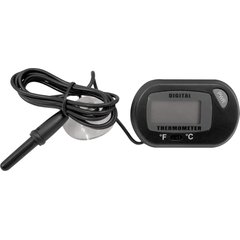
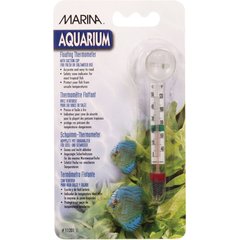
Glance at your aquarium temperature when you feed your fish each day. Also, check your aquarium temperature during weekly tank maintenance.
If you see your fish “flashing” (rubbing themselves against the gravel or decorations) it’s a common first symptom of ich, a parasite that often presents when temperatures drop. The first thing you should do is check your heater and temperatures to ensure it’s functioning correctly.
Common Aquarium Heater Problems and Solutions
Even with the best care and maintenance, aquarium heaters have a limited lifespan of 1–3 years. Although titanium heaters are more expensive, they often have longer lifespans, so they may be a more cost-effective optionif they fit your budget.
If your heater isn’t heating properly:
- Check to see if it’s the correct wattage for your tank
- Try to recalibrate your heater controller by following the manufacturer’s instructions
Many issues that heaters develop are hard to fix. If you notice the following, it’s time to order a replacement:
- Overheating
- Cracking or melted exterior
- Bubbles inside the heater
- Tingling sensation when your hands are in the tank
Aquarium Heating Safety Tips
Prevent electrical hazards by doing the following:
- Keep water away from electrical outlets
- Make sure the heater is installed with a drip loop, where the heater cord drops below the level of the outlet so any water dripping down the cord falls to the floor instead of into the outlet.
- Regularly monitor your heater to make sure it’s free of damage
- Replace immediately if you suspect damage
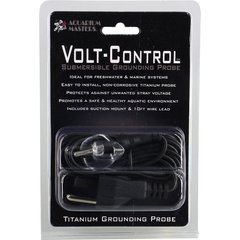
- Install a grounding probe to prevent stray voltage in case your heater fails
Recommended Product
Many heater controllers allow you to set alarms if your tank’s temperature gets too high or too low. Follow the instructions and set up those alerts so you will know if something is going wrong.
Do You Always Need an Aquarium Heater?
While your tank may fall into an acceptable temperature range based on your home’s ambient temperature, it’s still likely to experience fluctuations over the course of a day. A heater is always recommended to prevent big temperature swings that are stressful to your fish.
FAQs About Aquarium Heaters
Can I leave my aquarium heater on all the time?
You can leave your aquarium heater on all the time; most of them are designed to keep the water in your tank at a set temperature, so they’ll turn on and off as needed.
How long does it take to heat an aquarium?
The length of time it takes to heat an aquarium depends on multiple factors—the amount of water being heated, the temperature of the water at that time, and the temperature it needs to reach.
Attributions