Fish Velvet Disease: Symptoms, Causes, Treatment and Prevention

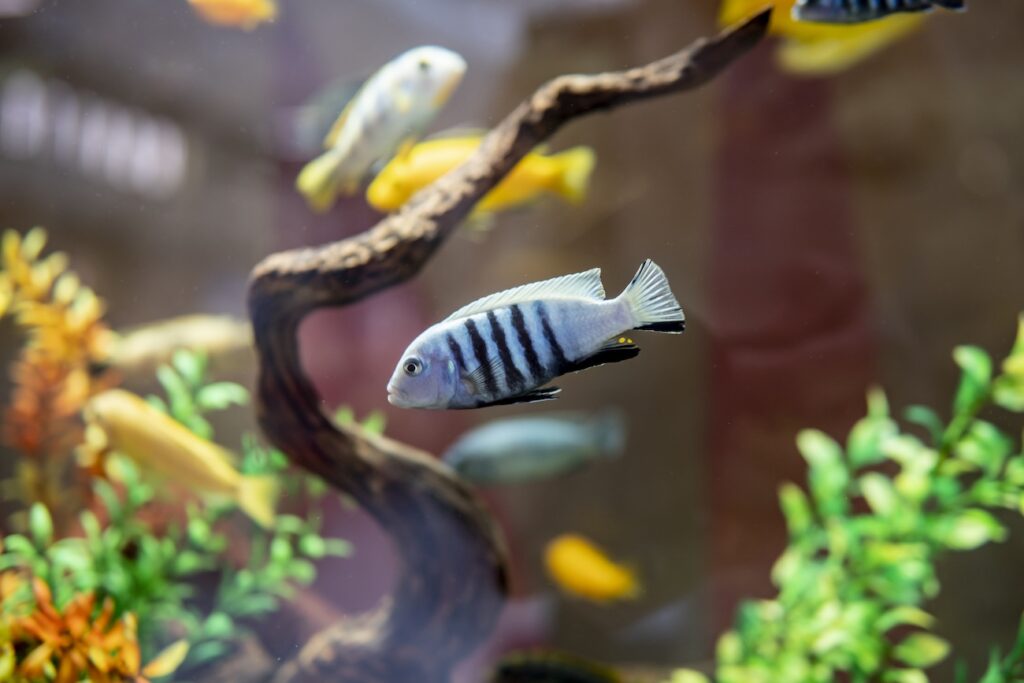
Photo by Nikola Milosevic/iStock/Getty Images Plus
Fish velvet disease is a fast-spreading parasitic infection that can quickly become life-threatening if left untreated. Sometimes called gold dust disease or rust disease, velvet disease in fish gets its name from the fine, dusty coating that appears on a fish’s body.
Understanding the symptoms, causes, and treatment options can help aquarium owners protect their fish and prevent outbreaks before they become severe.
Key Takeaways
- Velvet disease is a fast-spreading infection caused by the Oodinium (freshwater) or Amyloodinium (saltwater) parasite that can become life-threatening within days if untreated.
- Early signs include a fine gold or rust-colored dusting on the body, lethargy, and rapid breathing due to gill damage.
- Prompt action—quarantine, water testing, and appropriate treatment such as copper medications (and salt for freshwater cases)—is essential to stop the parasite’s life cycle.
- Prevention through quarantining new fish, maintaining stable water quality, and reducing stress is the most effective way to protect your aquarium.
What Is Velvet Disease in Fish?
Velvet disease is caused by microscopic parasites that attach to a fish’s skin and gills. In freshwater aquariums, the disease is typically caused by Oodinium species. In saltwater tanks, it’s caused by Amyloodinium ocellatum.
These parasites damage skin tissue and interfere with breathing by invading the gills. Because they reproduce quickly, infections can escalate within days, especially in stressed or newly introduced fish.
Velvet disease affects many types of aquarium fish, including bettas, goldfish, tetras, and cichlids, and marine reef species.
How Velvet Disease Works
The parasite that causes velvet disease has a life cycle with multiple stages:
- Attached stage: The parasite attaches to the fish’s body or gills and feeds on tissue.
- Reproductive stage: After feeding, the parasite drops off into the aquarium and multiplies.
- Free-swimming stage: New parasites are released into the water, searching for a host.
Treatment is most effective during the free-swimming stage, which is why early detection and consistent treatment are critical. If untreated, the parasite cycle continues and infects more fish in the tank.
Causes and Risk Factors
Velvet disease outbreaks often occur when fish are stressed or when new fish are added to a tank without proper quarantine.
Common causes and risk factors include:
- Introducing infected fish, plants, or decorations
- Skipping quarantine procedures
- Poor water quality (ammonia or nitrite spikes)
- Sudden temperature changes
- Overcrowding
- Inadequate nutrition
Stress weakens a fish’s immune system, making them more vulnerable to aquarium fish parasites like velvet.
Symptoms of Velvet Disease in Fish
Recognizing velvet disease symptoms early improves the chances of treating your sick fish successfully.
Visible Signs
- Fine gold, yellow, or rust-colored dust on the skin or fins
- Dull or darkened body coloration
- Clamped fins
- Excess mucus production
- Cloudy eyes (in advanced cases)
The dust-like coating may be easier to see when shining a flashlight on the fish.
Behavioral Signs
- Scratching or “flashing” against tank surfaces
- Lethargy
- Loss of appetite
- Rapid or labored breathing
- Staying near the water surface (due to gill irritation)
Because the parasites attack the gills, breathing difficulty is often one of the most serious symptoms.
Freshwater vs. Marine Velvet Disease
While freshwater and marine (saltwater) velvet disease present similar symptoms, the parasite species differ.
- Freshwater velvet is caused by the Oodinium species. It generally responds well to copper-based medications and aquarium salt treatments.
- Marine velvet is caused by Amyloodinium ocellatum. It’s often more aggressive and potentially fatal to fish in reef tanks.
Marine velvet disease spreads extremely quickly in saltwater systems and may require specialized copper treatments or professional guidance. Reef-safe treatment options must be selected carefully to protect corals and invertebrates.
What To Do If You Suspect Velvet Disease
If you notice signs of velvet disease in fish, take action immediately:
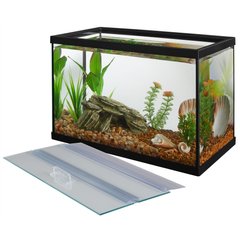
- Isolate affected fish in a quarantine tank if possible.
- Test water parameters for ammonia, nitrite, nitrate, and pH.
Recommended Products
3. Reduce stress factors, such as overcrowding or unstable temperatures.
4. Dim the lights, as some velvet parasites rely partly on light during certain stages.
Quick response can significantly reduce mortality and limit the spread of infection to other fish.
Treatment Options for Velvet Disease
Treating velvet disease requires consistency and careful monitoring.
Quarantine Tank Treatment
Moving infected fish to a small hospital tank allows targeted treatment without affecting the main aquarium.
Recommended Products
Copper-Based Medications
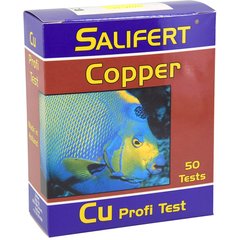
Copper treatments are one of the most effective options for both freshwater and marine velvet disease. Always:
- Follow product dosing instructions precisely
- Use a copper test kit when treating marine tanks
Recommended Product
- Remove carbon filtration during treatment
Aquarium Salt (Freshwater Only)
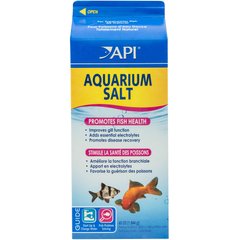
Aquarium salt can help reduce parasite load and support fish recovery in freshwater tanks. It should not be used in saltwater systems or with salt-sensitive species.
Recommended Product
Increase Water Temperature (Freshwater Only)
Gradually raising the temperature (if species-appropriate) may speed up the parasite life cycle, making treatment more effective. Never exceed safe temperature ranges for your fish.
You can generally increase the temperature to 80–84 F, which is safe for most but not all freshwater tropical fish. Be sure to have plenty of surface water movement, as warmer water holds less oxygen.
Darkness
Reducing light exposure can help slow parasite reproduction in some cases, as certain species rely partially on photosynthesis.
Treatment typically lasts 10–14 days, depending on severity. Continue treatment even if symptoms improve, to ensure all parasite stages are eliminated.
How To Prevent Velvet Disease
Prevention is the best defense against fish velvet disease.
Quarantine New Fish
Always quarantine new fish for 2–4 weeks before adding them to your main aquarium. This step alone can prevent most outbreaks. Never add water from the bag the fish originally comes in to your tank.
Maintain Stable Water Quality
Regularly test water parameters and perform routine water changes. Stable conditions reduce stress and support strong immune systems.
Avoid Cross-Contamination
Use separate nets and equipment for quarantine and display tanks. Disinfect tools when moving between tanks.
Provide Proper Nutrition
Feed high-quality, species-appropriate diets to promote fish health and resilience.
Avoid Overcrowding
Maintain appropriate stocking levels to minimize stress and disease transmission.
Fish velvet disease is a serious but treatable condition when caught early. By recognizing velvet disease symptoms, acting quickly with appropriate treatment, and practicing strong fish disease prevention habits, aquarium owners can protect their aquatic pets from this fast-spreading parasite.
Frequently Asked Questions About Velvet Disease
Can humans catch velvet disease?
No. Velvet disease only affects fish and poses no risk to humans.
How long does velvet disease treatment take?
Treatment typically lasts 10–14 days, though severe cases may require extended monitoring.
Will all fish in my tank get infected?
Because velvet disease spreads through free-swimming parasites, other fish in the tank are at high risk if treatment is delayed.
Can velvet disease come back?
Yes. If parasites remain in the tank or quarantine procedures aren’t followed, reinfection can occur.
Attributions
This article was created with assistance from AI tools. The content has been reviewed for accuracy and edited by a human.