What Do Goldfish Eat? Your Guide to Pet Goldfish Food



Photo by ziggy1/iStock / Getty Images Plus
Goldfish have a unique digestive system that requires a large variety of food to remain healthy. Here’s what you should know to ensure your goldfish’s nutritional needs are met.
Key Takeaways
- Goldfish are foraging omnivores who consume a broad range of foods to meet their nutritional needs.
- Goldfish have a unique digestive system that requires high amounts of protein and fiber.
- Lack of proper nutrition can cause your pet goldfish to have health issues like stunted growth and trouble swimming.
Understanding a Goldfish’s Natural Diet
In the wild, goldfish are opportunistic omnivores, which means they eat both plant matter and meat whenever it is available. They regularly forage for:
- Aquatic vegetation
- Insects
- Crustaceans
- Larvae
- Other small creatures
Types of Goldfish Food
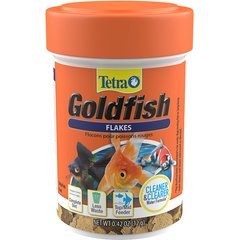
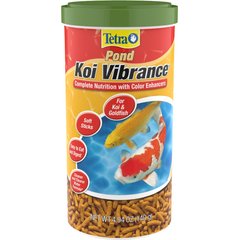
Commercial Pellets and Flakes
Flake food is a flattened version of pellet food, but there are benefits to using one over the other.
If your fish is used to eating at the surface, a flake food would be easier for them to find than a sinking pellet. However, eating at the surface comes with the risk of ingesting air bubbles. If your goldfish struggles with this, a slow-sinking pellet would be better.
All fish have nutritional needs that are dependent on their physiology. The best goldfish food will be one that is formulated specifically for them. Goldfish have a unique digestive system that requires a high-fiber, high-protein diet to ensure they stay healthy and live long lives.
Recommended Products
Frozen and Freeze-Dried Options
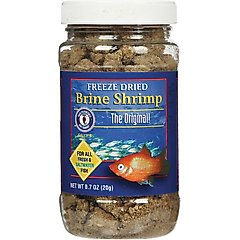
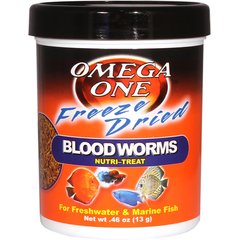
Brine shrimp, bloodworms, and daphnia are great high-protein options as supplemental food for your goldfish. Both brine shrimp and daphnia have high fiber content, making them an excellent choice for a treat.
Recommended Products
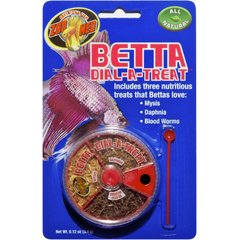
High-protein foods are great for goldfish, providing energy while helping with growth and muscle-building.
Fresh Vegetables and Fruits
Vegetables are a good way to make sure your goldfish gets the fiber they need, so consider offering these items several times per week.
Goldfish can eat small amounts of the following fruits and veggies:
- Zucchini
- Peas
- Carrots
- Romaine lettuce
- Spinach
- Kale
- Cucumber
- Watermelon
- Broccoli
When feeding your goldfish fruits and vegetables, keep the following in mind:
- Lettuce, kale, and spinach should be washed off and submerged, using a tank decoration or rock to weigh them down.
- The seeds of all offered foods should be removed before adding to your goldfish’s tank.
- Harder vegetables like zucchini, broccoli, and carrots should be blanched to soften them.
- Peas are commonly used as supplementary fiber for goldfish. Make sure they’re small enough for your goldfish to eat, and remove the shells before feeding.
- Feed sparingly with fresh veggies and be sure to remove uneaten food promptly. Fresh veggies are a great addition to your pet’s diet but can rapidly foul the water.
Live Foods (Use with Caution)
Live foods, such as bloodworms and brine shrimp, are great options since they mimic the natural feeding behavior of goldfish in the wild.
Feeding live foods risks the introduction of pathogens and pests if the sources of the foods are not high-quality. Live food should be energetic and clean. Avoid if the water is dirty, smells bad, or if the feeders are not all alive. If you can’t find a reputable source, consider offering frozen versions of the live foods.
How Often Do You Feed Goldfish?
How often you should feed your goldfish depends on their age. Young goldfish who are less than a year old are still growing and need to eat more frequently than adults.
- Feed your juvenile goldfish two or three times per day.
- Adult goldfish should be fed once per day.
It’s important not to overfeed your goldfish. Offer them only what they will eat in two minutes.
Signs your goldfish is being overfed include:
- Food still in the tank after feeding
- Bloating
- Swimming upside down or on their side
Signs your goldfish is being underfed include:
- Overall thin appearance
- Pinched-in stomach
Foods Goldfish Should Never Eat
Harmful or toxic foods for goldfish include:
- Bread
- Cheese
- Raw meat
- Onions
- Citrus
- Plants like lilies, alocasia, anthurium, holly, rhododendron, and laburnum
A poor diet can impact a goldfish’s health by causing:
- A weakened immune system
- Digestive issues like constipation that can cause buoyancy issues and swimming problems
- Organ damage
- Slowed growth
- Shortened lifespan
Tips for Creating a Balanced Goldfish Diet
There’s a lot to consider to ensure your goldfish is getting a well-balanced diet that meets all their nutritional needs, but the following tips can help:
- Put together a meal plan that includes various fresh vegetables, formulated goldfish food, and the occasional frozen meaty treat.
- Goldfish diets need to provide lots of protein and fiber, with limited fat and carbohydrates.
- Look for labels listing whole-food ingredients, with limited fillers, high fiber, and 30–35% protein.
- If your goldfish is regularly having issues with swimming or buoyancy despite getting the nutrition they need, consider a visit to your veterinarian.
FAQs About Goldfish Feeding
Can goldfish eat tropical fish food?
Goldfish can eat tropical fish food, but they should be fed a goldfish-specific diet.
Do goldfish eat algae in the tank?
Goldfish will eat algae in a tank, but don’t count on them to regularly clean your glass.
What treats can I give my goldfish?
Bloodworms are a great occasional treat to give your goldfish.
Is it OK to fast a goldfish occasionally?
Yes, it’s OK to occasionally fast goldfish. Healthy adult goldfish can occasionally go a few days without food, while smaller fish are OK to skip a day.
Do goldfish eat betta food?
Goldfish can eat betta food, but they should be on a goldfish-specific diet.
Do goldfish eat other fish?
Yes, goldfish could consume smaller fish, so it’s important to keep this in mind when choosing tank mates.
Can goldfish consume meat?
Goldfish are omnivores and can eat meat such as insects, crustaceans, and larvae.
Attributions