Best Betta Fish Water Temperature Guide: Ideal Range and How To Maintain It

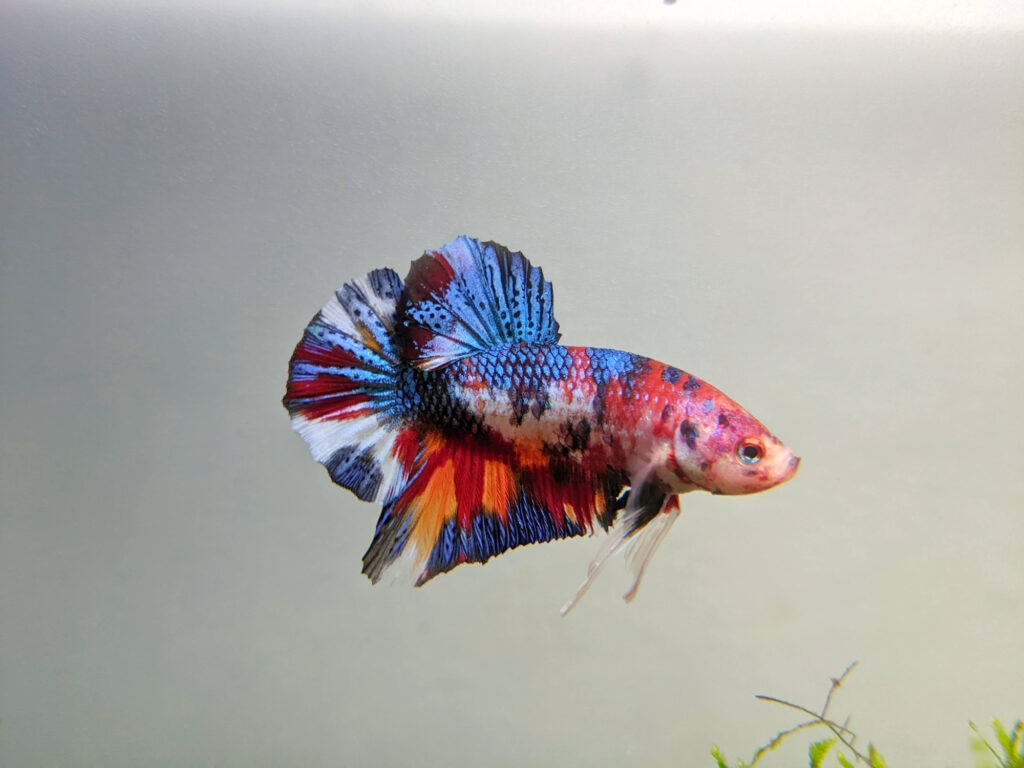
Photo by Hardiansyah/iStock/Getty Images Plus
Keeping the right betta fish water temperature is one of the most important parts of betta care. While these colorful fish are hardy, they are also tropical—and water that’s too cold or too hot can quickly lead to stress and illness.
So what temperature do betta fish need to truly thrive?
Let’s break down the ideal range, what happens when water isn’t warm enough, and how to maintain a stable, healthy tank environment.
Key Takeaways
- The ideal betta fish water temperature is 76–82 F.
- 78–80 F is considered optimal for most bettas.
- Bettas are tropical fish and they require a heater.
- Cold water can cause lethargy, illness, and weakened immunity.
- Stable temperature matters more than absolute values.
What Is the Ideal Betta Fish Water Temperature?
The ideal betta fish water temperature is 76–82 F, with 78–80 F being the sweet spot for most bettas.
Bettas originated in the warm, slow-moving waters of Thailand and other parts of Southeast Asia. In their natural habitat, water temperatures remain consistently warm year-round.
When kept within this range, bettas typically show:
- Bright coloration
- Active swimming behavior
- Healthy appetite
- Strong immune function
- Proper digestion
If water temperature falls outside this range for extended periods, especially on the low end, health problems can develop.
Do Betta Fish Need a Heater?
Yes, most betta fish need a heater to maintain a stable water temperature of 76–82 F.
Unless your home stays consistently within that range year-round, a tank heater is essential.
Room temperatures fluctuate during:
- Winter nights
- Air conditioning cycles
- Seasonal changes
- Power outages
Even small drops of a few degrees can stress your fish if they happen quickly. Betta tanks tend to be small, so they can easily fluctuate due to environmental temperature.
How To Maintain Stable Betta Tank Temperature
Maintaining proper betta fish care temperature is simple with the right tools.
Choose the Right Heater Size
Know how many gallons your betta fish tank can hold. A general rule when choosing a heater is 3–5 watts per gallon of water.
For example:
- 5-gallon tank → 15–25-watt heater
Recommended Product
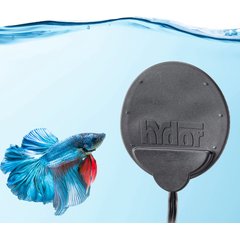
- 10-gallon tank → 30–50-watt heater
Recommended Product
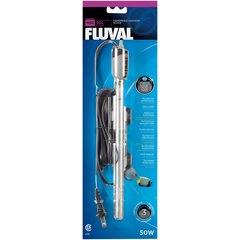
For small tanks, such as 5 gallons, look for heaters designed specifically for nano aquariums. Many small aquarium heaters come pre-set to maintain a temperature around 78 F, which is ideal for bettas.
Recommended Product

Use a Reliable Thermometer
Never rely solely on your heater’s dial. Use thermometers in your tank, including:
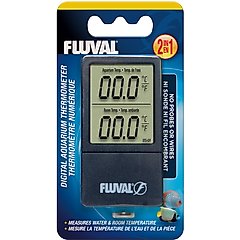
- Digital aquarium thermometers (most accurate)
Recommended Product
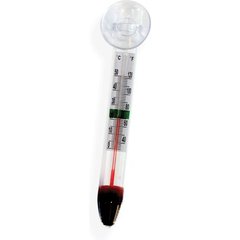
- Glass floating thermometers
Recommended Product
- Stick-on thermometers (less precise but helpful)
Recommended Product
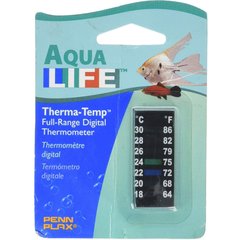
Check the temperature daily to ensure consistency.
Avoid Drafts and Temperature Swings
Place your tank away from:
- Windows
- Exterior doors
- Air vents
- Direct sunlight
Rapid temperature fluctuations are more stressful than minor steady variations. Due to the smaller size of betta tanks, they are more prone to fluctuations in temperature.
Can Betta Fish Live in Cold Water?
Bettas can survive short periods in cooler water, but they cannot thrive in it.
Because bettas are often sold in small containers at room temperature in pet stores, many people assume they don’t need heaters. In reality, room temperature (usually 68–72 F) is too cold for long-term health.
Cold water slows a betta’s metabolism, weakens the immune system, and increases susceptibility to disease.
What Happens If Betta Water Is Too Cold?
When the betta fish tank temperature drops below 76 F, you may notice behavioral and physical changes.
Signs Your Betta Is Too Cold
- Lethargy or sluggish swimming
- Clamped fins
- Loss of appetite
- Sitting at the bottom of the tank
- Hiding more than usual
These are early warning signs that your betta may be stressed.
Health Risks of Cold Water
Prolonged exposure to cold temperatures can lead to:
- Digestive problems
- Constipation or bloating
- Weakened immune system
- Increased risk of illnesses like ich
If your betta seems inactive and the water feels cool, check the temperature immediately with a reliable thermometer.
What Happens If Betta Water Is Too Hot?
While cold water is more common, overheating can also be dangerous.
Water above 86 F may cause:
- Rapid breathing
- Increased stress
- Reduced oxygen levels
- Shortened lifespan
Warm water holds less dissolved oxygen, which can make it harder for fish to breathe—even though bettas can gulp air at the surface.
Heater malfunctions are often the cause of overheating, which is why monitoring tank temperature daily is important.
Seasonal Temperature Changes
Temperature shifts are especially common during:
Winter
- Home heating systems may fluctuate overnight.
Summer
- Tanks near windows can overheat.
- Avoid direct sunlight and monitor for temperatures above 82 F.
Power Outages
- Wrap the tank in blankets to retain heat temporarily.
- Avoid opening the lid frequently, which allows heat to escape.
- If your tank does not have a lid, quick fixes during a power outage include covering the tank with plastic wrap or a sheet of plastic or glass.
Planning ahead protects your betta from sudden stress.
Maintaining the correct betta fish water temperature is one of the simplest—and most important—ways to support your fish’s health.
Warm stable water keeps your betta active, vibrant, and less prone to illness. When temperature is right, everything else in your betta’s care routine becomes easier.
Frequently Asked Questions About Betta Fish Water Temperature
What temperatures do betta fish need?
Bettas need water that’s 76–82 F, with 78–80 F being ideal for long-term health.
Is 72 F too cold for a betta?
Yes, 72 F is below the recommended range and can slow metabolism, suppress immunity, and cause lethargy.
Can a betta live without a heater?
Betta fish can live without a heater only in homes that stay consistently within the tropical range year-round. Most households require a tank heater for stable conditions.
What’s the best heater for a 5-gallon betta tank?
A 15–25 watt adjustable heater designed for small aquariums is typically ideal for a 5-gallon betta tank.
Attributions
This article was created with assistance from AI tools. The content has been reviewed for accuracy and edited by a human.