What Size Betta Tank Do I Need? A Complete Betta Fish Tank Size Guide

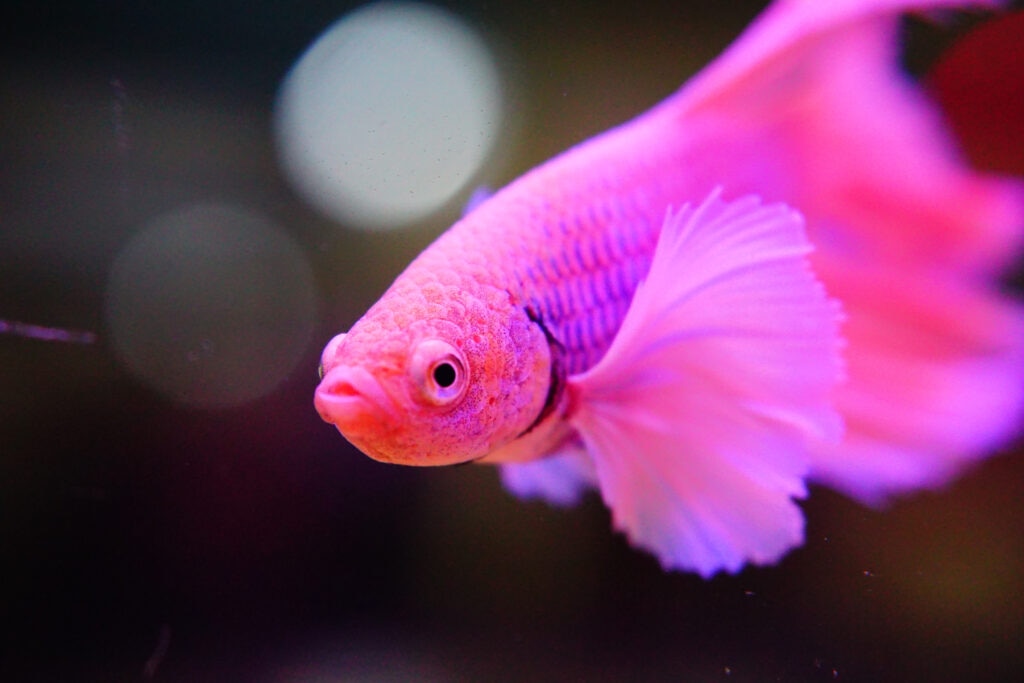
Photo by Supersmario/iStock/Getty Images Plus
Choosing the right tank size is one of the most important decisions you’ll make when caring for a betta fish. Despite the misconception that they can survive in tiny bowls, bettas require properly sized aquariums that support their physical health, natural behavior, and long-term well-being.
In this guide, we’ll break down exactly what size betta tank you need, why it matters, and how to choose the best option.
Key Takeaways
- The minimum recommended tank size for a betta fish is 2.5 gallons, but larger tanks are easier to maintain.
- Small bowls and tanks cause stress, poor water quality, and shorter lifespans.
- Tank size directly affects betta behavior, activity level, and fin health.
- Bigger tanks give beginner fish owners more stability and fewer maintenance issues.
How Big a Tank Does a Betta Fish Need?
Many experienced aquarists consider 2.5 gallons the minimum. Bettas will also do well in aquariums ranging from 5 to 10 gallons.
Recommended Products
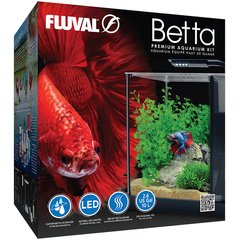
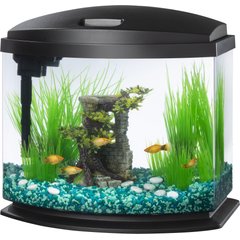
A 2.5–gallon aquarium provides enough swimming space, stable water parameters, and room for essential equipment like a water heater and filter. Anything smaller makes it difficult to maintain clean, warm water, which is essential for betta health.
Minimum Tank Size for a Betta Fish
Why 2.5 Gallons Is the Minimum
A 2.5-gallon tank strikes the best balance between size, manageability, and fish health. Here’s why:
- Water quality stays stable longer: More water dilutes waste, reducing ammonia spikes.
- Temperature is easier to regulate: Bettas need water that’s 76–82 F, and more importantly they need the temperature to be stable.
- Adequate swimming space: Bettas are active and curious, not sedentary, so they should have room to swim and explore comfortably.
- Room for enrichment: Plants, hides, and decor help reduce stress.
Recommended Products
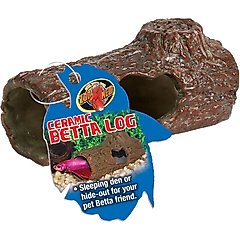
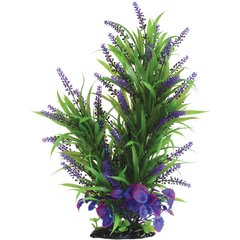
Also, smaller tanks require constant monitoring and frequent water changes, increasing the risk of mistakes that can harm your fish.
Why Small Tanks and Bowls Are Bad for Bettas
The myth that bettas belong in bowls is one of the most persistent—and harmful—misconceptions in fishkeeping.
Problems With Bowls and Nano Tanks
- Rapid waste buildup, leading to toxic ammonia
- Unstable temperatures, especially without heaters
- Chronic stress, which weakens the immune system
While wild bettas live in shallow waters, those environments are vast, filtered by plants, and constantly refreshed—nothing like a stagnant bowl on a countertop.
Best Tank Size for a Betta Fish
If space and budget allow, a betta will fully utilize a 10-gallon tank, which can be easier to maintain than a smaller tank.
Recommended Product
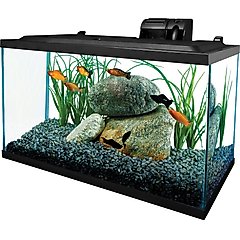
Benefits of larger tanks include:
- Easier maintenance
- More consistent temperature and filtration
- More room for plants, enrichment, and natural behavior
A larger tank doesn’t mean more work; ironically, it often means less.
Does Tank Size Affect Betta Behavior and Health?
Tank size plays a major role in how your betta behaves and how long they live.
In appropriately sized tanks, bettas:
- Swim actively and explore
- Build bubble nests more frequently
- Show brighter coloration
- Have stronger immune systems
Signs a tank is too small include:
- Lethargy
- Clamped fins
- Frequent illness
- Stressed behavior
A cramped environment prevents bettas from expressing natural instincts and behaviors, and often leads to chronic health issues.
Can Bettas Live With Tank Mates? Tank Size Considerations
Bettas can live with certain tank mates, but tank size becomes even more critical.
Minimum Tank Sizes by Setup
- Single betta: 2.5 gallons
- Betta + snail or shrimp: 5–10 gallons
- Community tank: 10–20+ gallons (species-dependent)
More space helps reduce territorial behavior and provides escape routes for tank mates.
Carefully research potential betta tank mates to ensure compatibility and a peaceful community tank.
Keep in mind these are compatibility guidelines, but bettas do vary in personality. Some bettas will harass and eat ornamental shrimp, while others will ignore them. Some bettas may be aggressive toward long-finned tankmates, while others are placid.
Male bettas may attack other colorful fish and those with fancy fins. Also, don’t keep more than one male betta, or females and males, together in the same tank, as they can be aggressive toward one another.
Avoid any tankmates that are prone to being fin-nippers, such as tiger barbs, serpae tetras, and any other semi-aggressive to aggressive species. The long fins on bettas are often irresistible to fin-nippers.
What Else Matters Besides Tank Size?
Tank size is foundational, but it works best when paired with proper equipment.
Essential Betta Tank Requirements
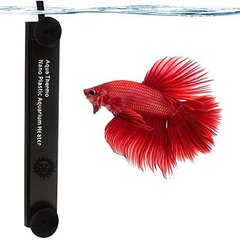
- Heater: Bettas are tropical fish, so they like warm water
Recommended Product
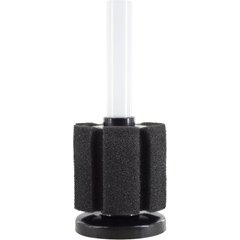
- Gentle filtration: Avoid strong currents. Air-driven sponge filters and box filters are ideal. If using a hang-on-back or small canister filter, look for a flow rate of about three to five times the tank capacity.
Recommended Product
- Plants and hiding spots: Live or silk plants reduce stress
- Secure lid: Bettas are jumpers
Even the perfect tank size won’t compensate for missing essentials.
So what size betta tank do you need? A minimum of 2.5 gallons gives a single betta the space, stability, and comfort they need to truly thrive. A properly sized tank leads to better water quality, healthier behavior, easier maintenance, and a longer, happier life for your betta.
Your betta will thank you with vibrant color, active behavior, and years of companionship.
Frequently Asked Questions About Betta Fish Tank Size
Can a betta fish live in a 1-gallon tank?
A 1-gallon tank isn’t suitable permanent housing for a betta fish. While a betta may survive short-term, the water quality in such a small volume can deteriorate quickly, leading to toxic ammonia buildup, unstable temperatures, and chronic stress. Long-term housing in a 1-gallon tank often results in illness and a shortened lifespan.
Is a 2.5-gallon tank big enough for a betta fish?
Yes. A 2.5-gallon tank is widely considered the minimum appropriate size for a single betta fish. It provides enough space for swimming, stable water parameters, and essential equipment like a heater and filter. For many owners, a 2.5-gallon setup offers a good balance between size and manageability.
Is a 10-gallon tank too big for a betta?
No, a 10-gallon tank is not too big for a betta. In fact, many bettas thrive in larger tanks. As long as the tank has gentle filtration, warm water, and places to rest near the surface, a 10-gallon aquarium can significantly improve a betta’s quality of life.
Attributions
This article was created with assistance from AI tools. The content has been reviewed for accuracy and edited by a human.