Ich Fish Disease (White Spot): Symptoms, Causes, and Treatment


Ich fish disease is so common, most fish tanks will encounter it at least once. Also known as “white spot disease,” ich is both quick-spreading and difficult to treat—a two-ingredient recipe for disaster. That’s why early detection and treatment are so important.
We consulted Dr. Candy Akers, a holistic veterinarian based in Colorado, to get to the bottom of ich on fish: how to identify it, how to treat it, and how to prevent it in the first place.
Key Takeaways
- Ich (white spot disease) is a common and highly contagious parasitic infection affecting freshwater and marine fish.
- The disease is introduced primarily through new, unquarantined fish and spreads rapidly in ideal tank conditions.
- Symptoms include white spots, flashing, lethargy, and respiratory issues. Early detection is key to successful treatment.
- Treatment is most effective during the parasite’s free-swimming stage. Prevention methods include quarantining new fish and maintaining water quality and temperature.
What Is Ich Fish Disease?
Ich (sometimes misspelled “ick,” which seems appropriate) is a common and highly contagious parasitic infection that affects both freshwater and marine fish.
The freshwater form is caused by a microscopic parasite of the same name, Ichthyophthirius multifiliis. Ichthyophthirius multifiliis is a ciliated protozoan, which is an organism with short, hairlike appendages that they use for movement.
Ich is nicknamed “white spot disease” for a reason: It causes white spots (or lesions) on your freshwater fish, particularly in their gills, fins, and body surface.
“This microscopic organism infects fish by attaching to their skin, gills, or fins and burrowing into the outermost layers of tissue,” Dr. Akers explains. “Once settled, the parasite feeds on the fish’s body fluids and cells, causing the characteristic white spots and other associated symptoms.”
Ichthyophthirius multifiliis comes from the Latin word meaning “fish louse with many children.” Gross, but accurate. There is also a saltwater form of ich, called Cryptocaryon irritans.
How Do Fish Get Ich Disease?
Ich is commonly introduced into aquariums through external sources, and one of the most frequent culprits is failing to quarantine new fish. A seemingly healthy fish can carry the parasite without showing symptoms and infect an entire tank within days.
The parasite ich is more likely to occur if:
- Infected equipment is shared between tanks
- Infected filter is transferred between tanks
- Infected water is shared between tank systems
- Any new fish are introduced
- Infected live plants and/or aquarium decor are introduced to the tank
- Water is between 68 F and 77 F (20 C to 25 C), although it may also infect at temperatures as low as 33 F (1 C)
Ich lives on the substrate—any loose material that covers the bottom of the tank like pebbles or aquarium gravel—so fish that spend most of their time at the bottom of the tank are most susceptible. For that reason, ich is often seen in bottom-feeders like catfish and the burrowing kuhli loach.
Stress is also a contributing factor because it can cause fish to swim to the bottom of the tank, exactly the place where ich lurks, looking for a new host. There, in the substrate, ich can easily find a hospitable host in the form of a fish in distress. Stressors include:
- Unsuitable water conditions
- Water changes in temperature
- Overcrowding
“High levels of ammonia, nitrite, or nitrate, as well as inadequate oxygen levels, can stress fish and weaken their immune system,” Dr. Akers says. “An overcrowded aquarium can lead to increased competition for resources, higher waste levels, and diminished water quality, all of which contribute to stress and increased susceptibility to disease.”
Ich Symptoms in Fish
- White spots on the fish’s gills, fins, and body surface (usually 1mm or 1/32 of an inch, visible to the naked eye, and often look like specks of salt)
- Hiding behavior
- Loss of appetite
- Rubbing or scratching against items in the tank (called “flashing”)
- Bruising or scale loss (usually due to flashing)
- Other erratic movements
- Bumpy skin on the body surface
- Clamped fins
- Lethargy
- Respiratory trouble
- Gathering around inflowing water
- Sudden death of more than one fish at a time
“Recognizing the signs and symptoms of ich is crucial for early intervention and successful treatment,” Dr. Akers says.
What Other Fish Diseases Share Similar Symptoms?
Several fish diseases can resemble ich, making accurate diagnosis essential.
- Velvet disease (Oodinium) causes a dusty, gold or rust-colored coating on fish, often mistaken for white spots.
- Fin rot, caused by bacteria or fungi, leads to frayed fins and discoloration, which may appear like lesions.
- Columnaris, a bacterial infection, creates white or grayish patches, especially around the mouth and gills, and can be confused with ich’s white cysts.
- Costia (Ichthyobodo) causes skin cloudiness and erratic behavior, mimicking early ich symptoms.
Unlike ich, however, these conditions often lack raised white cysts and have different progression patterns or locations on the body. A key difference: Ich typically causes clearly defined, salt-like white spots, while other infections may present as smudges, fuzziness, or fin damage.
If you’re unsure, consult an aquatic veterinarian or pet health expert to confirm the diagnosis before beginning treatment. Early intervention is always the best approach.
Treating Ich Fish Disease
While it’s possible to save a tank infiltrated by ich, it can be difficult. That’s because treatment only works during one of its three life stages.
Understanding the Ich Life Cycle
Ich’s life cycle plays a major role in how it’s treated. The parasite moves through three main stages:
- Trophont
- Tomont
- Theront
While attached to a fish (trophont stage), ich feeds and forms the telltale white spots—but can’t be treated effectively.
Once it drops off the fish, it enters the tomont stage, forming a cyst on the tank’s surfaces where it multiplies.
From there, hundreds of theronts (swarmers) hatch and swim freely to find a new host.
Treatment is only effective during the theront stage, when the parasite is free-swimming and vulnerable. If a theront doesn’t find a host within a few days, it dies. But if it does, the cycle begins again.
Because this cycle can repeat rapidly—especially in warmer water—it’s critical to treat the entire tank and not just visible symptoms. Quarantining new fish also helps prevent introducing ich in its early, invisible stages.
How Long Does the Ich Life Cycle Last?
If you’re wondering how long the ich life cycle takes, the answer is temperature dependent.
Warmer water temperatures help ich thrive faster than cold temps, although ich theronts are not usually able to reproduce at water temperatures above 85 F (30 C).
If the water temperature is higher than 75 F (24 C), it may take only four days for ich to fully cycle, though it can take as long as six. At temperatures lower than 45 F (7 C), it can take anywhere from 18 days to five weeks.
Ich Treatments

Photo by Chewy
Before you begin treating your fish tank, speak with a fish veterinarian or tank expert for advice.
Copper Sulfate
Copper sulfate is the key ingredient in any medication for ich treatment in both freshwater and saltwater tanks. One such product is Fritz Aquatics Mardel Coppersafe Fish Medication, which works on both types of tanks.
Recommended Product
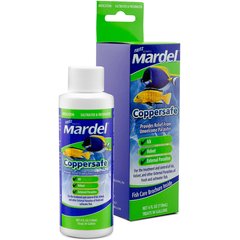
“Copper-based medications can be effective against ich, particularly in marine aquariums,” Dr. Akers says. “However, copper can be toxic to invertebrates and some fish species, so it is important to use these treatments with caution and under the guidance of an aquarium professional.”
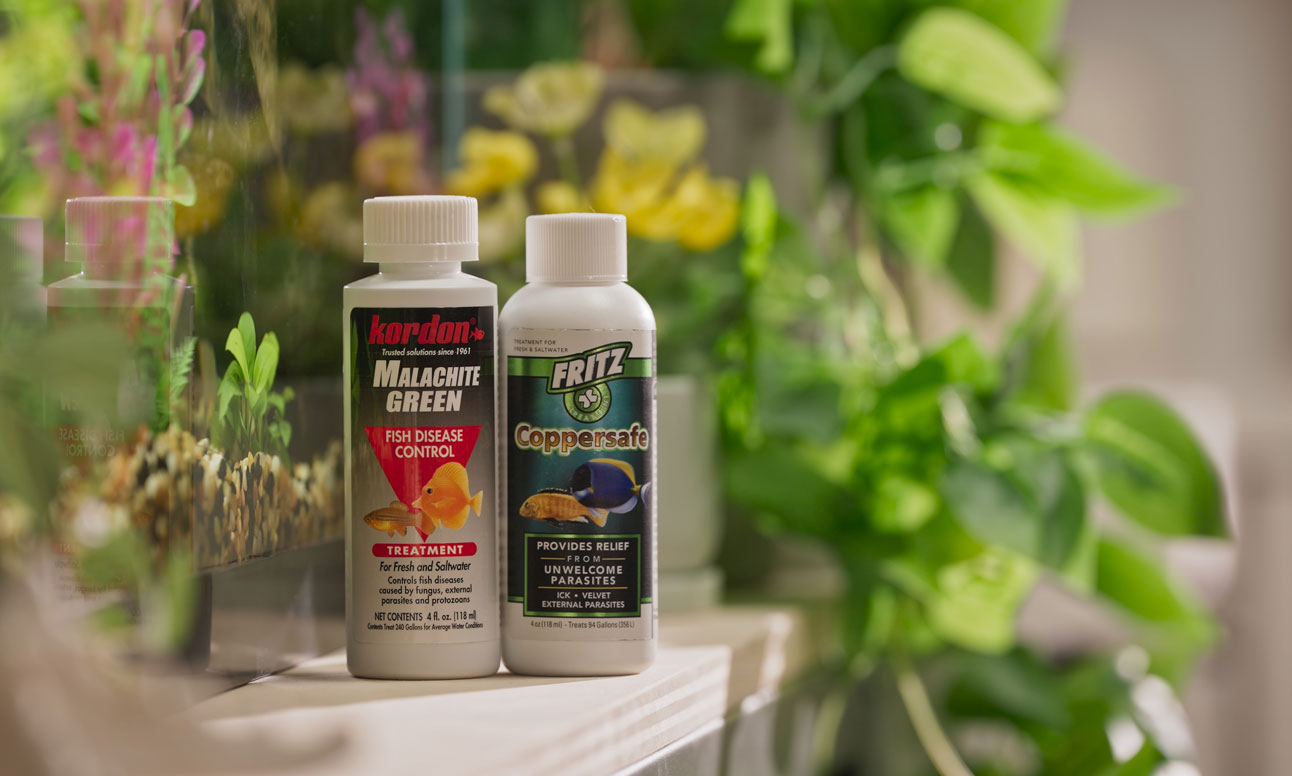
Photo by Chewy
Malachite Green
Malachite green, which is found in Kordon’s Malachite Green Fish Disease Control Treatment, is another effective option.
Recommended Product
“This is a popular and effective treatment for ich, often used in combination with formalin. Malachite green interferes with the parasite’s metabolism and can be used as a bath treatment or added directly to the aquarium,” says Dr. Akers.
Natural Remedies
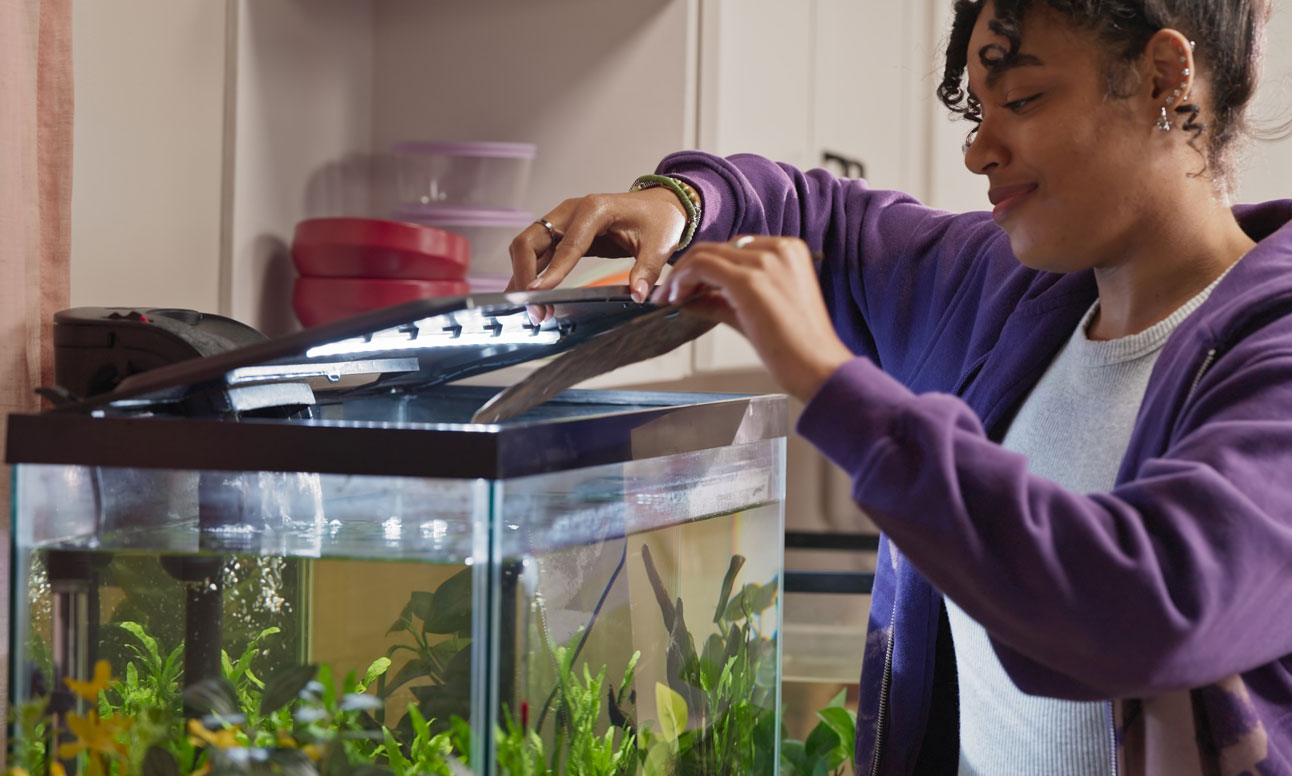
Photo by Chewy
A holistic vet, Dr. Akers also adds that there are natural remedies to consider too.
Crushed garlic: Garlic contains allicin, a compound known for its antimicrobial properties. “Adding crushed garlic to your fish’s food can help boost their immune system, making it harder for the ich parasite to take hold,” Dr. Akers says.
Indian almond leaves: Indian almond leaves are known for their antifungal, antibacterial and antiparasitic properties.
Recommended Product

“Adding Indian almond leaves to your aquarium can help create a more natural environment and provide additional support in the fight against ich,” Dr. Akers says.
How To Prevent Ich
Prevention is the most efficient way to ensure that your aquarium never comes down with ich. To prevent white spot disease, make sure to frequently monitor both water conditions and water temperature.
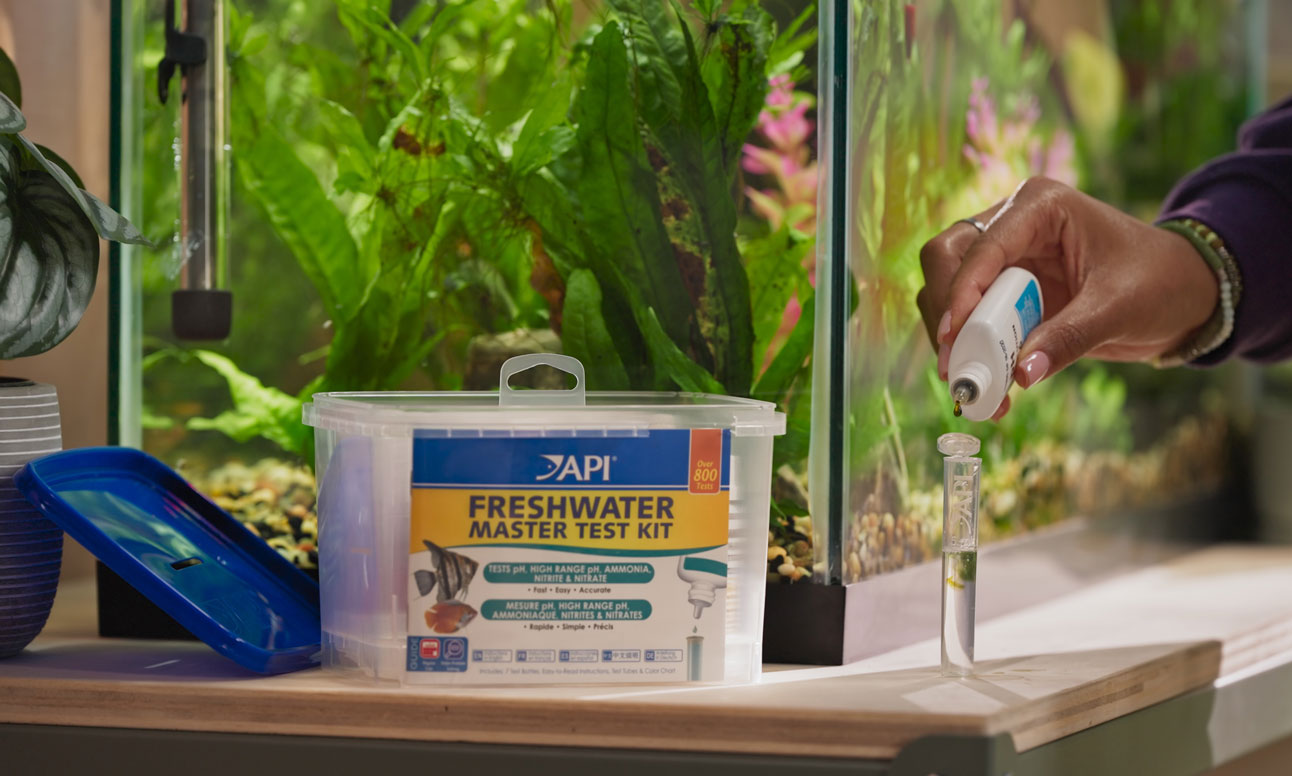
Photo by Chewy
Check ammonia and nitrite levels: These levels should be at 0. Anything above is toxic and cause for concern.
Recommended Product
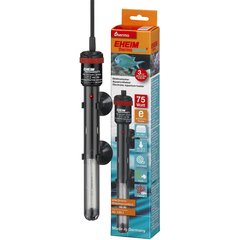
Maintain water temperature: Freshwater aquariums require a water heater, like the Eheim Thermocontrol E Fish Aquarium Heater.
Recommended Product
Water temperatures between 77 F (25 C) and 85 F+ (30 C+) are less likely to develop ich. It’s also important to keep water temperatures stable. Variations (such as between daytime and nighttime temperatures, particularly in the summer) can weaken the fish and make them susceptible to an outbreak.
Quarantine new fish: Ich is commonly introduced into aquariums via new livestock. A fish that’s new to the tank may already be infected and, if not properly quarantined first, could infect the entire tank. All incoming fish should be quarantined for at least three days due to ich’s specific life cycle.
Check on your fish often: Fish that are stressed or weakened are more likely to be overcome with ich if the two come in contact.
FAQs About Ich on Fish
Can a fish with ich survive?
Fish can definitely survive ich, but it is important to identify and treat white spot disease at the first sign of infection.
What does ich look like on fish?
Fish suffering from ich will develop white spots either on the fins, body, and/or gills. Other symptoms include hiding, refusing to eat, bruising, scale loss, lethargic behavior, erratic swimming, flashing, gathering around inflowing water, labored breathing, and/or sudden death.
Is there a cure for ich fish disease?
Copper-based products are generally considered the most effective treatment for ich.
Is fish ich contagious to humans?
Humans cannot contract ich, but they can, however, transmit the infection between tanks. To prevent this, wash your hands and forearms before touching another aquarium.
While ich on fish commonly affects most freshwater aquariums (at least once), it can be tricky to treat. In the event that you see white spots on your fish or other telltale signs of ich, be sure to treat the tank immediately and consider moving fish to a quarantine tank until treatment is complete. Incoming fish should also always be quarantined for at least three days before introducing them to the tank.
If you think your aquarium might be infected, you can always consult an exotic pet veterinarian for more information. Help is available daily through Chewy’s Connect with a Vet telehealth service.
Attributions