Proper Water Parameters for Goldfish: Temperature and pH Guide


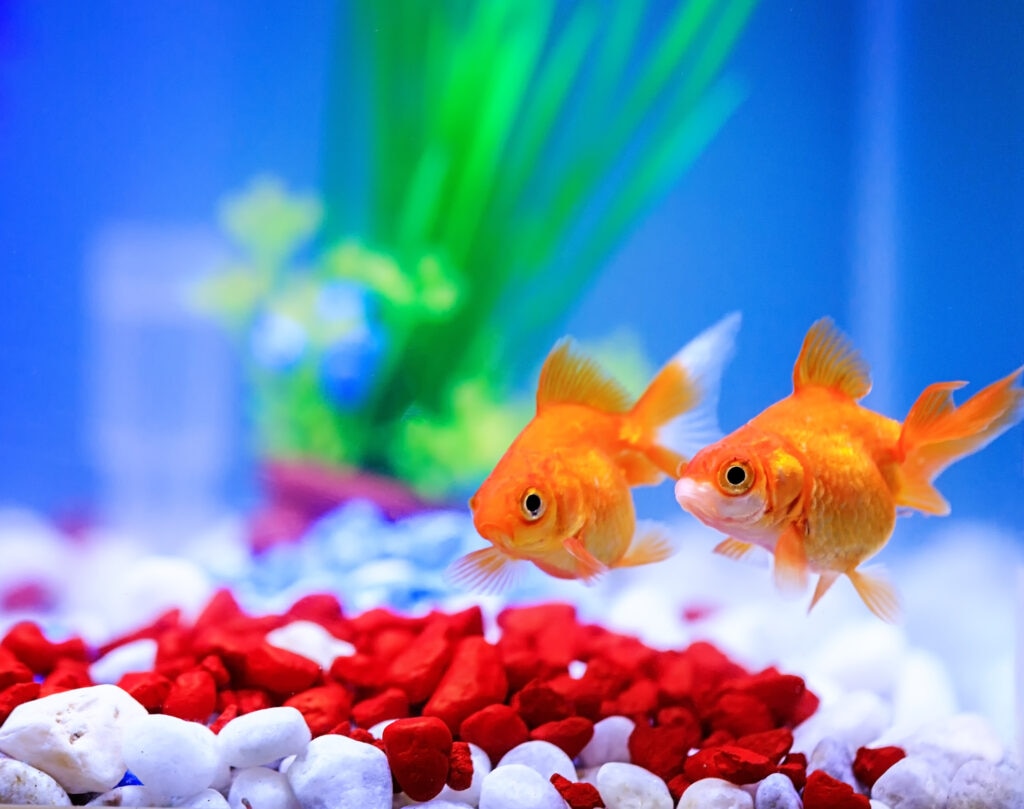
Photo by Dobe/iStock/Getty Images Plus
Water quality is important for the well-being of your goldfish. Temperature and pH are key parameters for overall fish health, and must be closely maintained.
Key Takeaways
- Goldfish can handle wide temperature and pH ranges.
- It's important to keep the pH and temperature of goldfish tanks stable to keep them healthy.
- Stable water parameters can be maintained through natural methods and aquarium tools.
Why Water Quality Matters for Goldfish
Goldfish are hearty and are often one of the first fish that pet parents bring home. They can handle wide temperature and pH ranges but they are sensitive to rapid fluctuations.
Regularly testing their tank water and maintaining stable water parameters is one of the easiest ways you can help your goldfish enjoy a long, healthy life.
Ideal Water Parameters for Goldfish
Temperature Range
Goldfish can handle a wide range of water temperatures, but their ideal temperature range is 65–75 F.
Water temperature affects many aspects of your goldfish’s health, such as the speed of their metabolism, their behavior, and their immune system.
Warm and cold temperatures can affect goldfish in many ways.
Cooler temperatures will:
- Slow metabolism
- Lower immune response
- Slow swimming
- Reduce interest in food
Warmer temperatures will:
- Lower the oxygen in the water
- Increase metabolism
- Increase appetite
- Create a higher demand for oxygen
- Increase the toxicity of ammonia in the water
- Provide an optimal environment for increased bacteria, diseases, fungi, and parasites
pH Level Range
Goldfish can handle a wide range of pH but they do best when it is 6.5–7.5. If your tap water is in this range or close to it, then you don’t need to adjust the pH in the tank.
When your tap and tank water are close in range, it also makes it easier to do water changes and keep the pH stable. There are risks when the pH drops below this 6.5–7.5 range or spikes above it.
Your goldfish’s digestive enzymes work efficiently to break down food and process nutrients for absorption. When the pH is out of range, it can lead to issues like intestinal blockages.
Also, an out-of-range pH can lead to higher ammonia, toxicity, and less oxygen in the water for the fish to breathe.
Effects of Poor Water Parameters on Goldfish Health
The following can be signs of stress from temperature fluctuations:
- Erratic swimming
- Changes in coloration
- Lying on the bottom of the tank
- Reduced appetite
If the pH is off, your fish might show the following signs:
- Gasping at the water surface
- Listlessness or not swimming around as much as usual
- Fins that look tattered, torn, or like they have ulcers
Long-term exposure to these stressful conditions can weaken your goldfish’s immune system, which can significantly shorten their lifespan.
How To Maintain the Right Temperature for Goldfish
Place your pet goldfish’s tank out of direct sunlight and away from air vents or drafty areas. This will help to maintain the water temperature in the tank, as well as keep algae under control.
Consider using an aquarium heater to help maintain a stable temperature in your tank.
Recommended Products
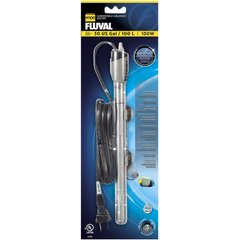
When adding new goldfish to your tank, allow the bag they’re in to float in the water for 15–30 minutes so they can gently acclimate to the water in their new home.
During water changes, use a heater to warm the new water to match the temperature of the tank.
Maintaining a Stable pH Level
Tests like the API pH Freshwater Aquarium Kit contain easy–to–follow titration style tests that can help you confirm your goldfish pH level is where it should be.
Recommended Product
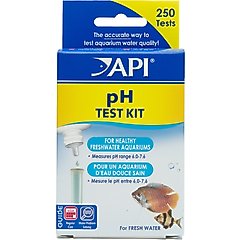
Follow the instructions on the package to learn how to test goldfish tank water.
The pH can be adjusted naturally in a few ways. Driftwood releases tannins and lowers the pH and crushed coral naturally raises it. You can also do a water change to neutralize the pH.
Recommended Products

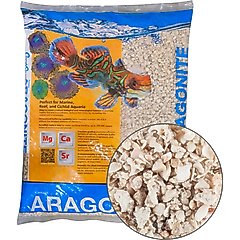
Making rapid changes to your goldfish’s water, including its pH, could cause them unnecessary stress.
Common Mistakes To Avoid
To maintain a stable temperature and/or pH in your goldfish tank, consider the following:
- Goldfish almost always seem eager to eat, but it is important not to overfeed them. Overfeeding can negatively impact the water quality by elevating levels of nitrate, nitrite, or ammonia. Offering them a measured amount of food on a regular schedule helps ensure they aren’t overfed.
- Try your best to match the temperature and pH when doing water changes.
- Failing to perform regular water changes is just as bad as overcleaning. If you are using sponge filters in your tank, clean them only in a bucket of tank water, as rinsing them out in the sink can destroy the existing beneficial bacteria living in them.
Recommended Product

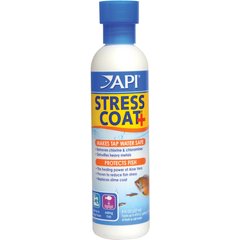
- It can be tempting to use water straight from the tap or from a RO/DI unit, but each of these types of water needs to be adjusted for your goldfish. Tap water can contain chlorine and chloramines that harm fish. It’s important to add a dechlorinator like API Stress Coat to remove chlorine, chloramines, and toxins, and to boost your fish’s protective slime coat.
Recommended Product
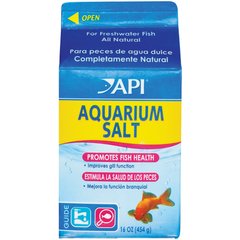
- Goldfish are hard-water fish. If you are using RO/DI water, you must replenish lost minerals by adding a small amount of aquarium salt. Generally, dechlorinated tap water is an easier solution.
Recommended Product
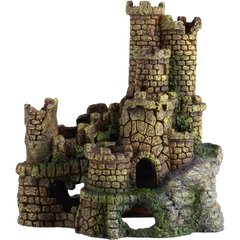
- When selecting decorative items, make sure they are made for goldfish aquariums and are large enough that your goldfish won’t be tempted to eat them.
Recommended Products
Routine Monitoring and Maintenance Tips
To maintain ideal goldfish water parameters, test your goldfish’s tank water once each week.
Recommended Products
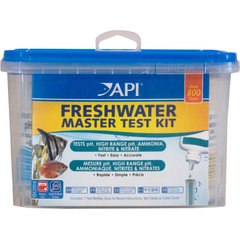
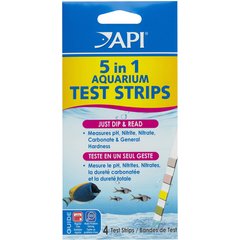
Goldfish care and maintenance can be easy, and keeping track of the water parameters in your tank is key. Track your parameters digitally or in a notebook—that way, if something changes in your tank, you’ll have a record of the water quality.
Attributions