UV Filters for Fish Tanks and Ponds

Photo by Beto_Junior/iStock/Getty Images Plus
Free–floating organisms like algae, bacteria, and protozoa in ponds and aquariums cause unsightly water and unhealthy fish. This problem can be reduced and prevented using a UV filter. This article explains how UV filters work, the benefits they provide, and how to select and maintain one.
Key Takeaways
- UV filters work in ponds and aquariums to remove free-floating algae, bacteria, and microorganisms.
- Submersible units work well on smaller systems with limited space, while inline units work on larger systems and are plumbed into existing filtration.
- To be destroyed, algae and bacteria need a faster water flow rate, while parasites and microorganisms need a slower flow.
- UV bulbs should be changed every six months, and UV units should be regularly maintained to ensure proper function.
What Is a UV Filter?
A UV filter, also called a UV clarifier or UV sterilizer, uses specific ultraviolet wavelengths to destroy free-floating bacteria, algae, and protozoa, helping to clear up aquarium or pond water.
Aquarium and pond UV sterilizers have the following basic components:
- Light bulbs that produce a specific range of UVC light
Recommended Product
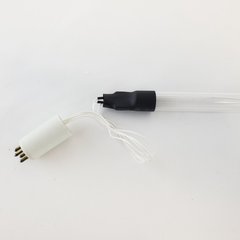
- Quartz sleeves that are placed around the UV bulb to create a barrier between it and the water
Recommended Product

- Water that easily flows through the chamber and is exposed to UV light
- A pump or connection to a filtration system that maintains the correct flow of water through the chamber
- Ballasts that are used to power the unit
Recommended Product

UV Sterilizers vs. UV Clarifiers
UV sterilizers and UV clarifiers work similarly and use similar wattage.
Clarifiers are limited to getting rid of algae and bacteria whereas sterilizers target algae, bacteria, parasites, and other protozoa.
You should choose either a UV sterilizer or a UV clarifier based on the specific needs of your tank or pond.
How UV Filters Work
On the high end of the light spectrum are infrared (780+ nanometers) and visible light (400–780 nanometers). As wavelengths decrease, there is ultraviolet light, which can be broken down into:
- UVA (315–400 nanometers)
- UVB (280–315 nanometers)
- UVC (200–280 nanometers)
When exposed to UVC light, the DNA of microorganisms is damaged.
When water containing algae cells, bacteria, and microorganisms flows into the water chamber and is exposed to the UV light, the DNA of the microorganisms is damaged, sterilizing them and preventing them from reproducing.
Microorganisms Affected
UV sterilizers can kill microorganisms that are free-floating in the water, including:
- Algae
- Bacteria
- Parasites and other pathogens
However, they are not effective against organisms that are attached to surfaces or living inside fish. This includes:
- Bacteria in the substrate
- Parasites and pathogens on or inside fish
These problems require manual removal, depending on the pest, and infected fish may be treated with medication. Using a UV will kill the free-swimming stages of pathogens and help break the life cycle.
Importance of Flow Rate
Water flow rates through the sterilizer directly impact its effectiveness. Algae and bacteria require a higher rate of flow than protozoan parasites and diseases.
Benefits of UV Filters for Aquariums
There are many benefits to UV filtration in fish tanks, including:
Clearer Water
Algae blooms causing discolored water are significantly reduced. When using a UV filter, your water should be clear, making it easier to enjoy your fish.
Disease Prevention
As reproductive abilities of parasites are prohibited, the bioload of harmful parasites and bacteria decreases, helping to prevent diseases like ich or velvet.
Reduced Maintenance
UV filters reduce the amount of algae in the tank, which should improve the filtration system’s stability.
Works With Other Filtration Systems
UV sterilizers work in tandem with existing filtration to support the overall health of your aquarium.
Benefits of UV Filters for Ponds
UV filters for fish ponds can offer the following benefits:
Control of Green Water
Using a UV filter is one of the fastest and easiest ways to get rid of unsightly green pond water and prevent algae blooms.
As long as you have the correct size, UV filters work in both smaller garden ponds and larger koi ponds.
Healthier Pond Environment
Using a UV sterilizer will reduce reproduction of harmful bacteria and parasites in the water. A reduction of harmful microorganisms in the water chamber improves water quality and supports fish health.
Better Visibility
Just like in indoor aquariums, UV filters help to improve water clarity in outdoor ponds, making it easier to see and enjoy your fish.
Clear water elevates existing landscaping and naturally enhances decorative ponds, too.
Types of UV Filters
Inline UV Sterilizers
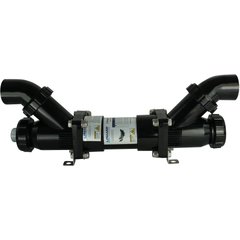
Inline UV sterilizers are meant to be plumbed directly into, and work in tandem with, existing filtration. These units are commonly used in saltwater aquariums, freshwater aquariums, and ponds.
Recommended Product

Recommended Product

Recommended Product

Recommended Product
Recommended Product
Submersible UV Units
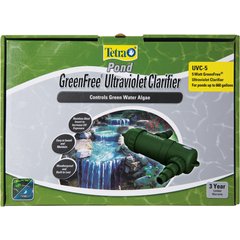
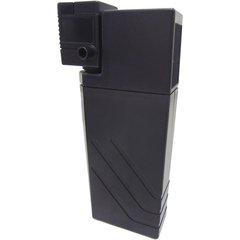
Smaller UV units are designed to be placed inside tanks or ponds or in systems with limited space.
Recommended Product
Recommended Product

Choosing the Right UV Filter
When choosing a UV filter to add to your setup, consider:
Tank or Pond Size
A UV unit should be rated for the number of gallons it is treating. An oversized unit is OK, but an undersized one won’t work effectively.
Larger ponds and aquariums need stronger UV units. Use the manufacturer’s instructions to select the correct unit for your setup.
Flow Rate
Flow rate in UV filters is important. Reduction of algae and bacteria requires a different flow rate than reduction of parasites.
Recommended flow rates include:
- Algae and bacteria reduction: 180,000 µWs/cm²
- Parasite reduction: 30,000µWs/cm²
The reason for the difference in flow rate is due to the rates of reproduction. Algae and bacteria can reproduce rapidly, often in a matter of minutes, while parasites have a slower rate. For the UV sterilizer to be effective, the flow rate must keep up with the rate of reproduction.
Wattage and Bulb Strength
UV filters are sold in varying wattages. Larger aquariums and ponds require higher wattages.
Installation and Compatibility
Prior to purchasing a unit, make sure it will be compatible with your existing equipment, and order any additional components you may need.
When installing a UV filter, make sure there is enough space for its installation.
UV Filter Maintenance
Like any other part of your fish tank or pond setup, UV filters require regular maintenance, including:
Bulb Replacement
When you install a bulb in your UV filter, note the date of installation and plan to replace it in six months.
Although the unit will still run, the effectiveness of the bulb will gradually diminish, so regularly adding a new bulb is necessary.
Cleaning the Quartz Sleeve
Mineral deposits and detritus can build up on the quartz sleeve, thereby blocking UV light and reducing the bulb’s efficiency.
Cleaning the quartz sleeve regularly ensures you are getting the most out of your UV filter.
Routine System Checks
The UV filter unit should be regularly maintained to make sure the seals fit securely, electrical components are intact, and all connections are secure.
A UV filter’s associated equipment and hoses should also be cleaned regularly to ensure there is no buildup preventing the UV filter from getting the correct flow of water.
UV aquarium filters help to improve water clarity while supporting fish health. Proper flow rate and regular maintenance are critical for getting the most out of your UV filter. Overall, UV filters are an excellent tool for fish hobbyists to use with existing filtration to ensure clear, healthy ponds and aquariums.
Attributions