Cherry-Head Red Footed Tortoise Care Sheet


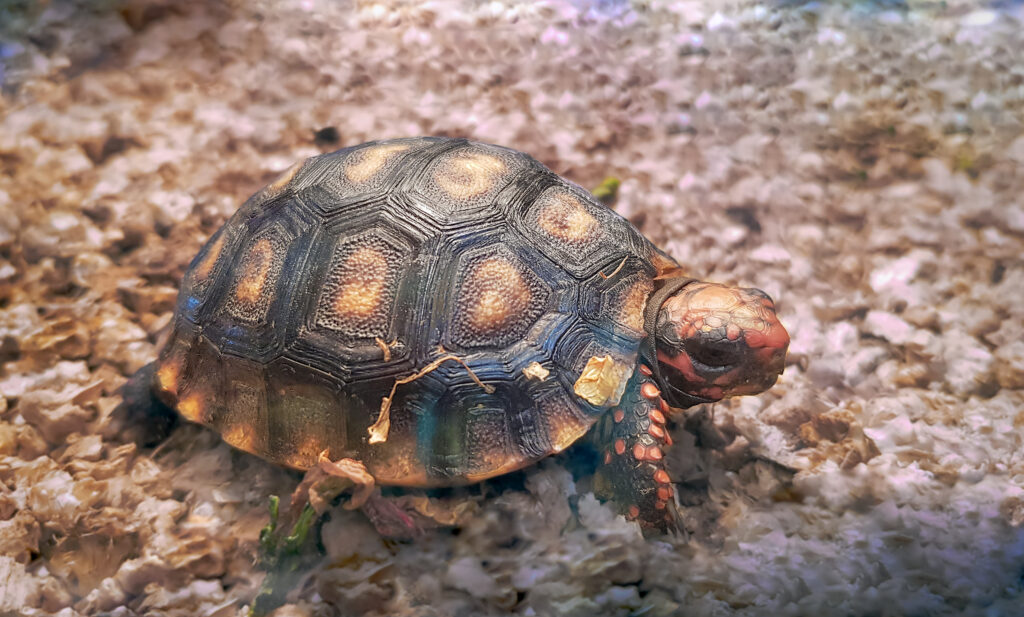
Photo by Ake Dynamic/iStock/Getty Images Plus
Cherry head red-footed tortoises have red-orange patches on their head and legs. If you’re thinking about getting a cherry head red-footed tortoise, make sure you have everything ready to give them a long, healthy life.
Cherry Head Red-Footed Tortoise Overview
- The cherry head red-footed tortoise is a type of tropical land tortoise that can reach 9–14 inches long.
- With proper care, these tortoises can live from 50 to 80 years.
- Tortoises are best for those who have experience owning reptiles.
Fun Facts About Cherry Head Red-Footed Tortoises
- Cherry head red-footed tortoises get their name from the reddish-orange scales on their legs and head.
- You can keep your cherry head red-footed tortoise in an indoor or outdoor habitat, depending on your climate.
- Not all turtles and tortoises are comfortable with being held, but these tortoises are generally accustomed to gentle handling and can be very personable.
Cherry Head Red-Footed Tortoise Enclosure
Your cherry head red-footed tortoise can have both indoor and outdoor enclosures, depending on your climate. For an indoor habitat, juveniles should start with one that’s at least 36 inches long, 18 inches wide, and 16 inches high.
Recommended Product
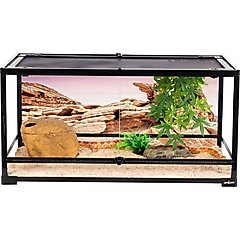
An adult cherry head red-footed tortoise needs an indoor enclosure that’s at least 36 inches long, 72 inches wide, and 16 inches high.
Recommended Product
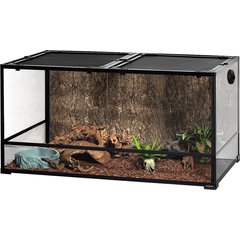
If you can keep your cherry head red-footed tortoise outdoors, a tortoise needs an enclosure that’s at least 48 inches long, 72 inches wide, and 24 inches high. The sides of the enclosure must be buried 8–12 inches, and make sure the substrate drains well to prevent flooding.
Recommended Products


Increase indoor and outdoor habitat sizes as your tortoise grows. They will rapidly grow the first five to 10 years of their life. Always get the largest habitat possible.
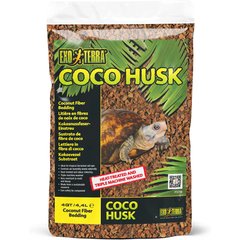
Line the enclosure with a moisture-retaining substrate that can withstand the digging and burrowing of tortoises. For indoor habitats, use coconut husk, cypress mulch, or paper-based bedding. For outdoor habitats, you can use untreated soil.
Recommended Products
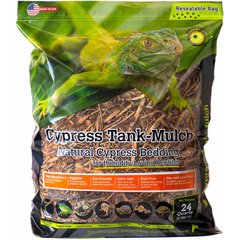
Both indoor and outdoor enclosures should be away from direct sunlight and have secure lids—mesh for outdoors and screened for indoors—for safety and to prevent escaping.
For tropical tortoises, indoor habitats need to be 85–95 F on the warmer end of the enclosure and 75–80 F on the cooler end. Temperatures should never drop below 70 F indoors. Use two thermometers—one on the cool side and one on the warm—to check temperatures daily. Humidity levels should stay in the 70%–90% range.
Recommended Products
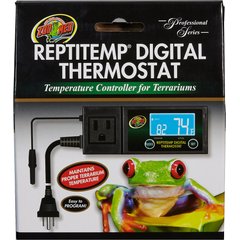
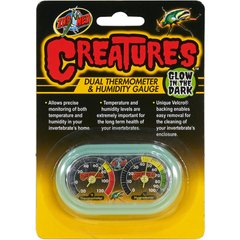
Add enough light and heat sources to make sure your cherry head red-footed tortoise can regulate their body temperature. Use an incandescent light or ceramic heat bulb during the day to create a basking area for your pet. At night, turn on a nocturnal or infrared light if extra heat is needed. A basking area should be between 90–100 F.
Recommended Products
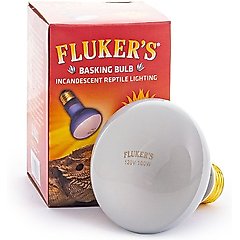
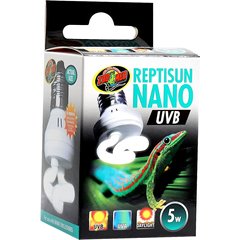
Cherry head red-footed tortoises need 10–12 hours of ultraviolet (UV) light every day. If they are spending enough time outside, they can get natural sunlight. Add a full-spectrum UV light to their indoor enclosure to mimic sunlight.
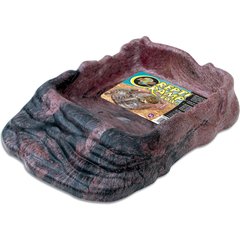
Keep a water dish large enough for your cherry head red-footed tortoise to soak in every day to stay hydrated. These pets will urinate and defecate in the water while soaking, so make sure you thoroughly clean and disinfect the dish daily.
Recommended Product
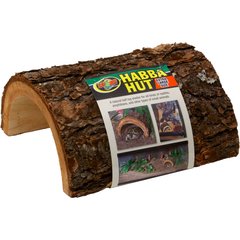
You can also add hiding areas throughout the enclosure, like caves and hideout boxes. Consider adding flat rocks, as climbing on rocks can help keep your tortoise’s nails filed down. Avoid using hot rocks.
Recommended Product
Cleaning and Maintenance
Spot-clean the enclosure every day. Thoroughly clean and disinfect the tortoise’s indoor enclosure at least once a week, while the outdoor habitat can be cleaned monthly.
To clean a tortoise’s indoor habitat, follow these steps:
- Start by moving your tortoise to a secure environment, such as a secondary enclosure.
- Remove all other contents, including decor, accessories, and old substrate.
- Scrub the tank, decor, and accessories with a 3% bleach solution or a reptile habitat cleaner.
- The bleach solution should remain on the enclosure for at least 10 minutes to ensure it’s disinfected.
- Rinse well to remove the disinfectant smell.
- After the enclosure and its contents have completely dried, add the decor, accessories, and new substrate, and then return your tortoise.
To clean a tortoise’s outdoor habitat, follow these steps:
- Move your tortoise to a secure environment before cleaning out the habitat.
- Inspect its condition to ensure it remains secure, including the walls and mesh netting.
- Discard old substrate and accessories that are too worn to keep.
- Use a reptile habitat cleaner or a 3% bleach solution the same way you would for an indoor enclosure, then hose everything down.
- Replace substrate, plants, and decor, then put your tortoise back inside the enclosure.
Cherry Head Red-Footed Tortoise Diet
The cherry head red-footed tortoise is an omnivore, with dark, leafy greens and high-fiber grass hay making up 70% of their diet. Feed them a variety of different options, like romaine, escarole, and kale.
Animal proteins, such as earthworms and hard-boiled eggs, make up approximately 20% of their diet and should be offered only once a week. Limit fruit, like berries, grapes, and mangoes, to 10% of their diet.
Cherry head red-footed tortoises need a powdered calcium and vitamin D supplement sprinkled onto their food. Juveniles need it two to three times per week if proper lighting and diet is provided, while adults can have it once weekly.
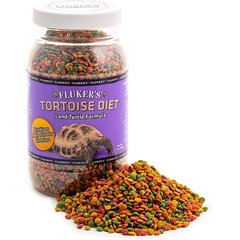
A multivitamin/mineral supplement for tortoises should get sprinkled on the food once a week. You can also feed your tortoise a pelleted diet to get these nutrients.
Recommended Products

Clean water should be available at all times.
How To Hold a Cherry Head Red-Footed Tortoise
Cherry head red-footed tortoises don’t mind some gentle handling, but be mindful of their sharp claws and the risk of them biting.
When handling, place both hands underneath, between the front and back legs. Never turn your tortoise upside down unless you have to, as it’s stressful for them.
Cherry Head Red-Footed Tortoise Health
Make sure you know what a healthy cherry head red-footed tortoise looks like. They should have clean eyes, ears, and vent. They should have a trimmed beak and a smooth, firm shell.
The following are some symptoms of illness:
- Swollen eyes or eyes that are stuck shut due to discharge
- Pink ulcerations on shell or feet
- Skin lesions
- Lethargy
- Loss of appetite
- Lumps and bumps
- Overgrown beak or nails
Contact a veterinarian right away if you notice anything unusual.
Take your cherry head red-footed tortoise to the vet annually for a checkup, or see if your vet makes house calls so you don’t have to transport your pet.
Cherry Head Red-Footed Tortoise Supply Checklist
Make sure you have everything ready for your cherry head red-footed tortoise before you bring them home, including:
- Appropriately sized indoor or outdoor habitat
- Commercial tortoise food
- Substrate, hay, and sphagnum moss
- Food dish and water ramp bowl
- Hideaways, plants, and climbing décor
- Heat bulb and fixture
- Under-tank heater and thermostat
- UVB lighting and fixture
- Multivitamin/mineral, vitamin D, and calcium supplements
- Thermometers and humidity gauge
- Mister
FAQs About Cherry Head Red-Footed Tortoises
How big do cherry head red-footed tortoises get?
Cherry head red-footed tortoises can be 9–14 inches long when they reach their full adult size.
How long do cherry head red-footed tortoises live?
With proper care, they can live more than 50–80 years and, in some cases, up to 100 years.
Click here for a printable PDF version of this care sheet!
Attributions