Tokay Gecko Care Sheet


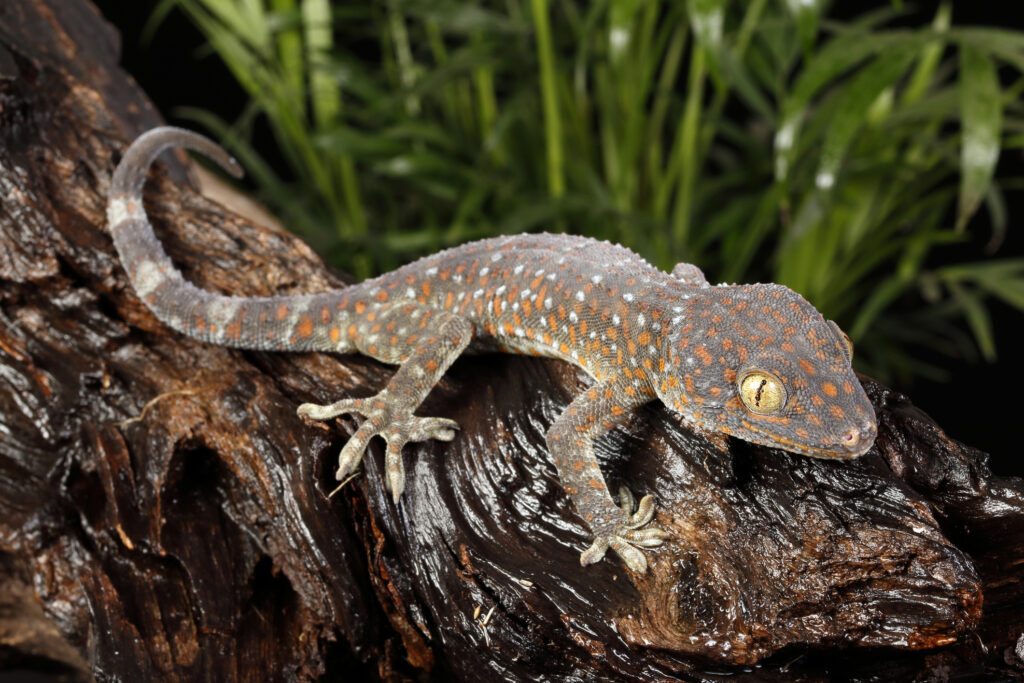
Photo by David Kenny/iStock/Getty Images Plus
Tokay geckos are one of the largest geckos in the world. With thick skin and spots all over, they can camouflage themselves and be hard to see in their environment.
These geckos make great pets for advanced reptile enthusiasts; they can be tricky to handle and care for.
Tokay Gecko Species Overview
- With proper care, tokay geckos can grow to be up to 16 inches long and live 10 years or more, with proper care.
- Tokay geckos can get stressed easily and are known to bite and become aggressive.
- They are solitary lizards, so it’s best to keep them alone in their habitats.
- Tokay geckos require extra attention and are best for those who can provide advanced care.
Fun Facts About Tokay Geckos
- These geckos get their name from the sounds they make when they communicate. When vocal, it sounds like they are saying “to-kay.”
- Tokay geckos are nocturnal and prefer to live in trees.
- When restrained, tokay geckos can detach their tails, which typically regrow in one to three months.
Tokay Gecko Habitat
Keep tokay geckos in their own individual habitats. These lizards tend to fight and get extremely territorial, so they shouldn’t be housed together.
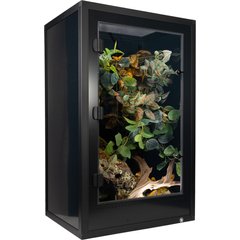
Juveniles require a minimum of a 15- to 20-gallon tank, while adults need a 20-gallon tank or larger. If possible, get the largest tank available, and ensure it has a secure mesh top to prevent your gecko from escaping.
Recommended Products
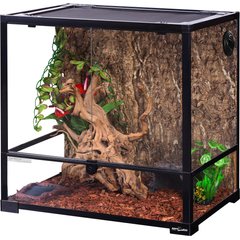
Line the enclosure with a moisture-retaining substrate, such as sphagnum moss, orchid bark, or coconut fiber.
Recommended Products
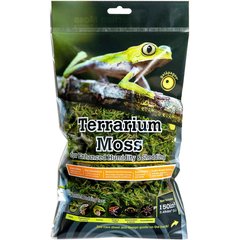
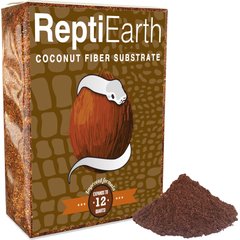
Don’t use wood chips, gravel, or walnut shells. If your gecko ingests any of these, it may lead to a gastrointestinal obstruction.
Decorate your tokay gecko’s tank with hides and plants. Add at least two hiding areas that are off the enclosure’s floor—one on the cool side and one on the warm end. Include climbing branches and basking rocks that are large enough to hold your lizard’s weight and size.
Recommended Products
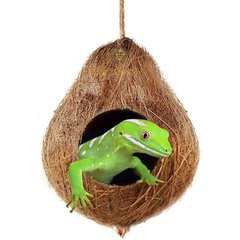
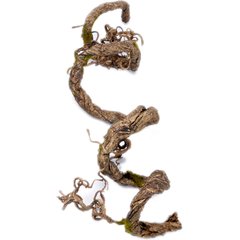
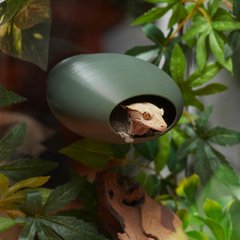
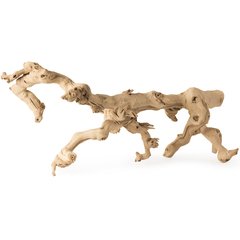
Do not use hot rocks, as they can cause injury. Instead, place tall, dense, non-toxic live or artificial plants that create hiding spots and coverage in the enclosure.
Tokay geckos regulate their body temperature through heat, and their tank should have a temperature gradient. Their habitat should be 80–85 F during the day and no lower than 70 F at night.
Recommended Products
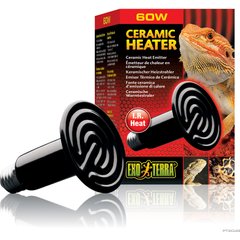
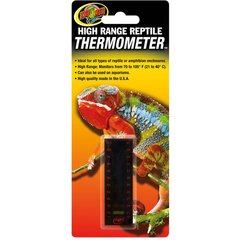
Place a thermometer on the cool side of the habitat and another on the warm side to monitor temperatures. If tokay geckos aren’t in appropriate temperatures, they are more likely to get sick.
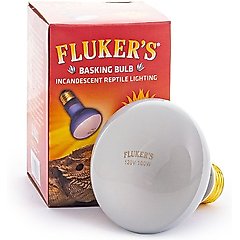
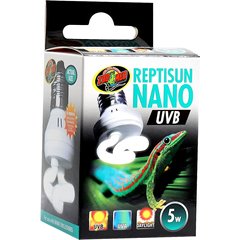
You can use some lights as heat boosters for your gecko. Despite being nocturnal, tokays benefit from having 10–12 hours of UV light daily, and these lights can also serve as heat sources. Use an incandescent bulb or ceramic heater in the basking area and adjust bulb wattage based on the recommended temperature gradient.
Recommended Products
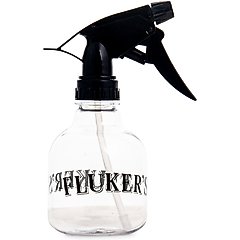
Tokay geckos are tropical lizards who thrive in humidity. The humidity level should be between 60%–80%. Make sure to monitor the humidity in the closure and, if needed, mist the enclosure at night, manually or with an automatic mister.
Recommended Products

Make sure you provide a shallow dish or a humid hide/box where your gecko can obtain extra hydration if needed for shedding.
Cleaning and Maintenance
Spot-clean the habitat every day by removing soiled material and discarded food. Wash food and water bowls daily.
Thoroughly clean and disinfect the habitat once a week. To properly clean a gecko’s tank, follow these steps:
- Place your tokay gecko in a separate, secure environment.
- Remove all the old substrate, as well as all decor and accessories.
- Scrub the tank and accessories with a reptile habitat cleaner or make your own with a 3% bleach solution.
- Leave the solution on the enclosure for at least 10 minutes. If using a habitat cleaner, follow the manufacturer’s instructions.
- Rinse the habitat and accessories thoroughly until the smell of the cleaner is completely gone.
- Let the enclosure and accessories dry completely before putting everything back in, along with fresh substrate and your tokay gecko.
Tokay Gecko Diet: How To Choose the Best Tokay Gecko Food
Tokay geckos eat an insect-heavy diet. They require a variety of nutrient-rich, recently fed insects, such as crickets and roaches, and different types of worms, including mealworms, hornworms, and waxworms.
Recommended Products
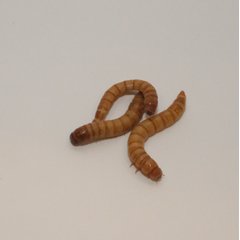
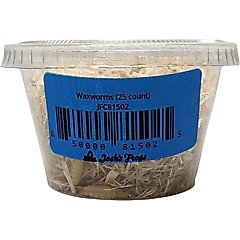
Insects should be no bigger than the space between your tokay gecko’s eyes. Only give your gecko as much as they can eat within 30 minutes.
Gut-load insects by placing them inside a container with nutrient-dense foods. This boosts their nutritional value. You can do this 24–72 hours before mealtime.
Recommended Products

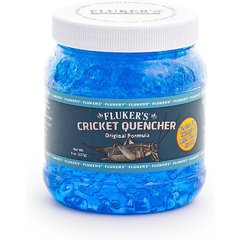
Before feeding your gecko, dust the insects with a calcium plus vitamin D powder and a multivitamin and mineral powder. This will further help ensure your lizard gets the nutrition they need.
Recommended Products
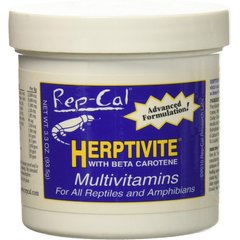
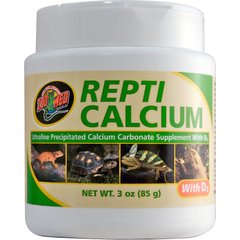
How much you give your tokay gecko depends on their age:
| Calcium with Vitamin D | Mineral Powder | |
|---|---|---|
| Juvenile | Daily | Twice a week |
| Adult | 2–3 times a week | 1–2 times a week |
They should always have a water dish available, but they normally drink by being misted or rained on.
How To Hold a Tokay Gecko
Most tokay geckos don’t like being handled. Since they are easily stressed, they can become aggressive and bite. If you’re bitten, set the gecko down on a flat surface and allow them to relax and release their bite.
Do not pick up a tokay gecko by the tail. Tokay geckos can detach their tails when restrained. Tails will regrow in about 30–90 days, but won’t look the same.
Minimize handling during shedding, as tokay geckos tend to be cranky during shedding time.
Tokay Gecko Health
Signs of health and normal behavior include:
- Active and comfortable movement
- Clean eyes, vent, nostrils, and skin
- Good and regular appetite
Contact your vet right away if you notice:
- Weight loss or loss of appetite
- Unusual breathing or lethargy
- Changes in skin color or swelling
- Eye or nasal discharge
- Retained shed
- Limping or difficulty moving
- Abnormal droppings
- Ulcers or mouth discharge
Take your tokay gecko to a vet at least once a year for an annual exam.
Tokay Gecko Supply Checklist
Before bringing a tokay gecko home, make sure you have all their supplies ready, including:
- Appropriately sized habitat with substrate
- Sphagnum moss
- Food and water dishes
- Hideaways, plants, and climbing decor
- Heat lights and fixtures
- UVB lighting
- Thermostat and thermometers
- Multivitamin/mineral supplement
- Calcium plus vitamin D supplement
- Cricket keeper, food, and quencher
- Live insects
- Humidity gauge
FAQs About Tokay Geckos
How long do tokay geckos live?
Tokay geckos live 10 years or longer, with proper care.
How big do tokay geckos get?
Tokay geckos can grow to be up to 16 inches long.
Are tokay geckos good pets?
Tokay geckos require extra care and attention and do best under the supervision of advanced reptile keepers. Tokay geckos are good pets to watch and leave alone, not to interact with and hold.
Can a tokay gecko lose their tail?
Yes, tokay geckos can drop their tail. It should take about one to three months for it to grow back.
Click here for a printable PDF version of this care sheet!
Attributions