Carpet Python Care Sheet


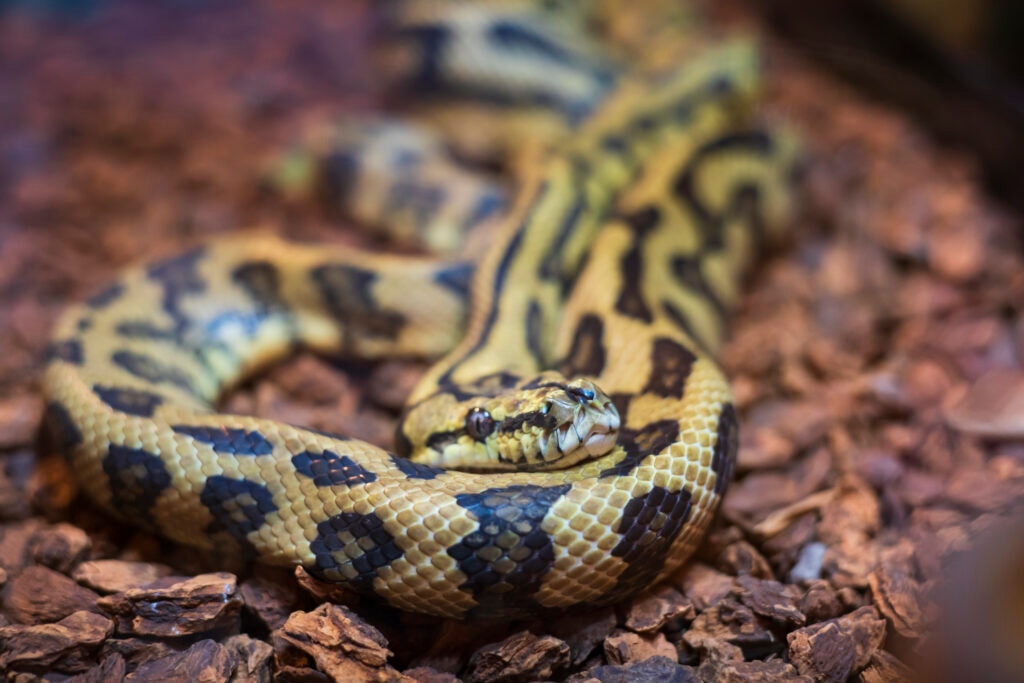
Photo by Dragonite_East/iStock/Getty Images Plus
Carpet pythons can be great pets for experienced snake enthusiasts. While carpet pythons are non-venomous, they’re still known to nip at times when handled, so familiarity with holding snakes is key.
If you’re considering getting a carpet python or recently brought one home, make sure you know exactly what these pets need.
Carpet Python Overview
- All pets require care, but carpet pythons need more attention than others and aren’t good beginner pets.
- Average adult pet carpet pythons are about 5–7 feet long.
- Carpet pythons can live up to 30 years, with proper care.
Fun Facts About Carpet Pythons
- Carpet python coloring varies based on the species—for instance, coastal carpets are olive-brown with yellow stripes.
- The holes near their mouths are called “pits,” and these heat-sensing organs can detect the body heat of warm-blooded prey.
- Many snakes spend their time on the ground, but carpet pythons also climb on vegetation and branches.
- Pythons reach adult size around 4–5 years of age.
Carpet Python Enclosure
Before you bring your carpet python home, get an appropriately sized habitat, based on the length of your snake.
For juveniles, you need at least a 20- to 30-gallon tank. Adults need at least a 90-gallon tank, or one that’s 36 inches long by 24 inches wide by 24 inches high.
Recommended Products
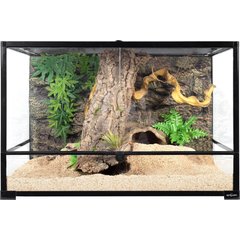
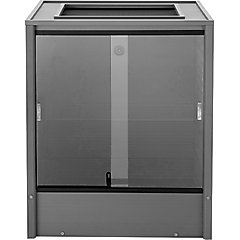
Be mindful of sizing for your snake. Juvenile carpet pythons may get stressed in an enclosure that’s too large for them. Instead, to lessen their stress, increase the habitat as your snake grows.
Since carpet pythons climb, try to find a taller habitat so your snake has plenty of room to easily reach the top safely.
Even though carpet pythons are non-venomous, it’s vital to have an enclosure that securely locks. Find one with hinged or sliding doors rather than an open-top aquarium. Make sure it’s properly ventilated by using a fitted screened lid.
Decor and Temperatures
Line the bottom of the enclosure with a thick layer of substrate that’s deep enough for your carpet python to burrow. Use paper-based bedding, coconut husk, or cypress mulch as substrate.
Add decor like climbing branches and shelves at varying heights to give your snake places to explore. Put at least two hiding areas and sphagnum moss inside the hideout boxes. Moss helps keep humidity within the desired range.
Recommended Products
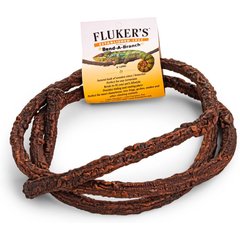
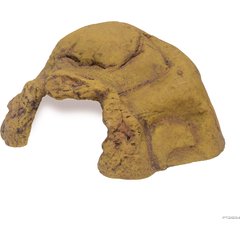
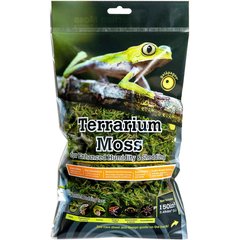
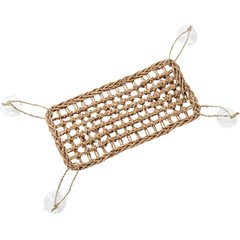
These snakes prefer a warmer climate. Create a thermal gradient in their enclosure to provide a hotter end and a cooler end. Keep temperatures no higher than 85–90 F on the warm side. Don’t let temperatures drop below 70 F on the cool end. Drastic temperature changes can increase the chances of your snake getting sick, so check the habitat’s temperature daily.
Keep the habitat warm with an over-the-tank basking lamp with a heat bulb and UV lights. The basking area should be 90–100 F.
Recommended Products
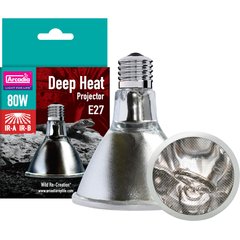
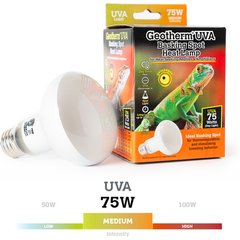
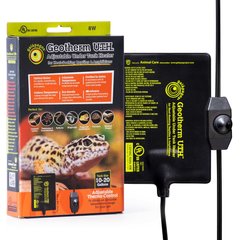
In addition to an overhead heat source, you may need to install an under-the-tank heating pad to ensure the proper temperatures are maintained in the tank.
Recommended Product
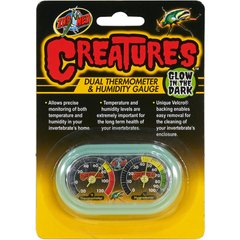
The humidity level in the enclosure should stay between 40% and 60%, although you might need to increase it when your snake is shedding. Monitor levels with a humidity gauge. Always provide a wet/moist box or hide so your python can seek higher humidity when needed, especially during shedding.
Recommended Product
Cleaning and Maintenance
Thoroughly clean and disinfect your snake’s enclosure at least once a week. Put your carpet python in a safe, secure enclosure so you can remove everything from inside the tank.
Scrub the tank and accessories with a reptile cleaner or a 3% bleach solution. If you use a solution, leave it on the enclosure for at least 10 minutes to make sure it gets thoroughly disinfected. Completely rinse and dry everything before putting fresh bedding, clean accessories, and your snake back in the enclosure.
Carpet Python Diet
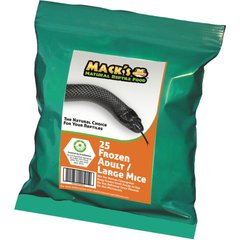
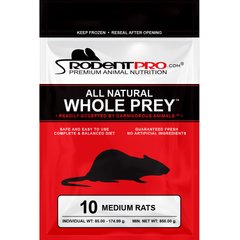
Carpet pythons eat whole rodents—mice or rats—that were previously frozen and completely thawed before mealtime.
Recommended Products
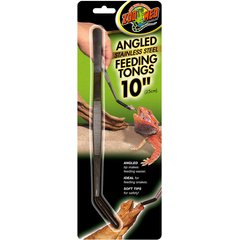
Always offer food with tongs, never fingers. Using your hands teaches your snake to associate your fingers with food.
Recommended Product
Food should be the same size as the width of your snake at mid-body. Juvenile snakes need weekly feedings, while adult pythons should eat every one to two weeks.
Never feed your snake live prey unless your snake will only feed on live rodents. Feeding live rodents increases the risk of parasitic infections and your snake being bitten by the rodent.
Feed your snake in a separate enclosure from their living space if possible. Moving the snake to a separate feeding place trains the snake to only strike at food when placed there and not in their main enclosure.
Keep fresh, clean water available at all times and replace it every day. Dishes should be large enough for your snake to soak in the water.
Recommended Products
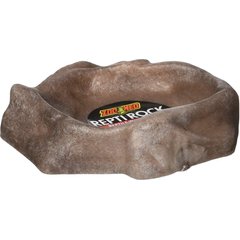
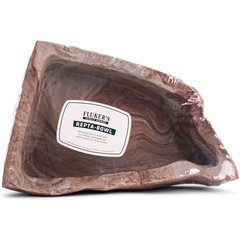
Wash water dishes daily to avoid bacterial growth.
How To Hold a Carpet Python
Remember that carpet pythons are snakes, and even though they aren’t venomous, they may nip at you when handled.
Minimize stress and threats by calmly approaching your python when they’re relaxed and still.
When holding your snake, let them freely move in your hands.
All reptiles could carry infectious diseases, so thoroughly wash your hands before and after handling your snake and anything in their enclosure.
Carpet Python Health
Expect your adult carpet python to shed many times a year. Juveniles shed more frequently than adults. If your pet is healthy, they will shed their skin in one piece.
Don’t hold your snake while they’re shedding.
Keep your snake relaxed during shedding, and make sure they have water consistently available in a wide, shallow dish.
Take your snake to see an exotics veterinarian at least once a year. You may need to increase your visits to twice a year for senior pythons.
You’ll know your snake is healthy if they’re active and have clear eyes. They should also have a clean vent, along with intact skin and no bumps or swelling. Regularly flicking their tongue is another sign of good health.
Immediately contact your vet if you notice:
- Regurgitated food
- Changes in breathing
- Retained shed (dysecdysis)
- Visible injuries
These could be signs of a bigger issue.
Carpet Python Supply Checklist
- Appropriately sized habitat
- Frozen rodents
- Substrate
- Sphagnum moss
- Water dish
- Hideaways
- Climbing decor and plants
- Heat lights, fixtures, and under-tank heater
- UVB light
- Thermostat and thermometers
- Humidity gauge
FAQs About Carpet Pythons
How many carpet python species are there?
There are six carpet python subspecies: Irian Jaya, inland, jungle, coastal, diamond, and Darwin.
How long do carpet pythons live?
Carpet pythons can live up to 30 years with proper care.
Where do carpet pythons live in the wild?
You can find carpet pythons in Asia and Australia.
How big do carpet pythons get?
Carpet pythons average around 10 feet long, depending on the subspecies.
Click here for a printable PDF version of this handout!
Attributions