Adrenal Disease in Ferrets: Signs, Treatment, and What Pet Parents Should Know


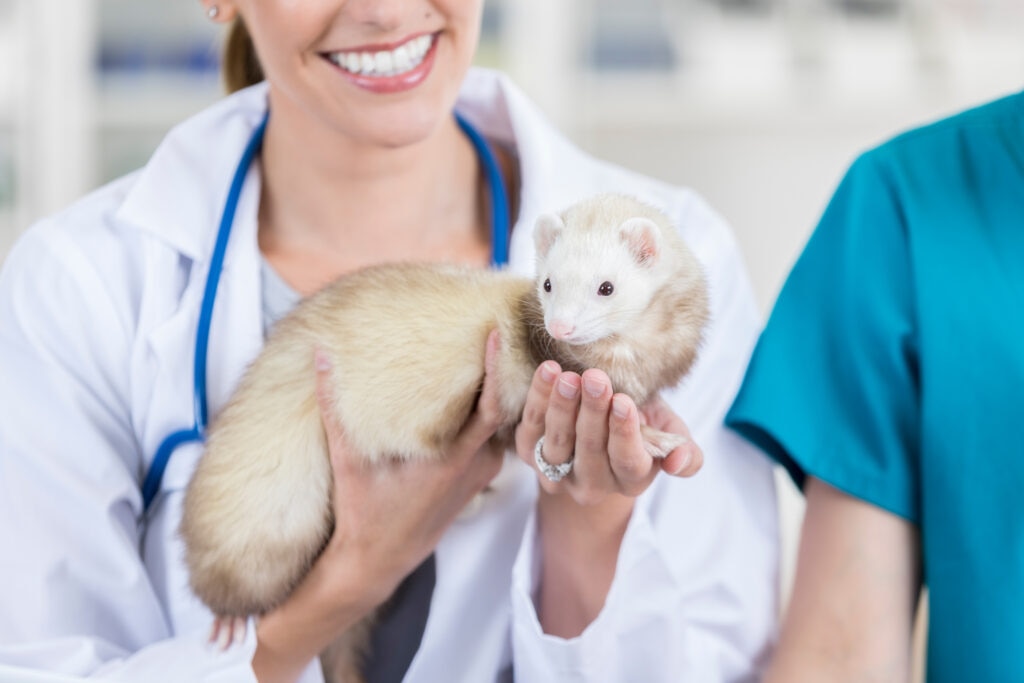
Photo by SDI Productions/E+
Adrenal disease in ferrets is one of the most diagnosed medical conditions in pet ferrets, particularly in middle-aged and older animals.
Despite its name, this condition is not related to excess adrenaline. Instead, it involves abnormal hormone production that affects many parts of the body.
Because symptoms can begin subtly and worsen over time, ferret adrenal disease may go unnoticed in its early stages.
Understanding what adrenal disease is, how it presents, and what treatment options are available can help pet parents recognize problems early and seek appropriate veterinary care.
Key Takeaways
- Adrenal disease in ferrets is a common but serious condition caused by abnormal hormone production from the adrenal glands.
- It often develops gradually, with early signs that may include hair loss, skin changes, and shifts in behavior.
- While adrenal disease is not usually curable, early diagnosis and proper veterinary treatment can greatly improve a ferret’s comfort, appearance, and quality of life.
What Is Adrenal Disease in Ferrets?
Adrenal disease in ferrets occurs when one or both adrenal glands, which are in the abdomen near the kidneys, produce excessive amounts of sex hormones.
These hormonal imbalances affect the skin, coat, reproductive system, and behavior.
Unlike adrenal disorders in humans, ferret adrenal disease does not typically involve cortisol. Instead, the excess sex hormones, such as progesterone, testosterone, and estrogen, interfere with normal body functions and gradually lead to visible symptoms, such as hair loss and skin changes.
This condition is especially common in domestic ferrets and is considered a chronic, progressive disease.
What Causes Adrenal Disease in Ferrets?
The exact cause of adrenal disease in ferrets is not fully understood, but several factors are believed to contribute. One major factor is early spaying or neutering, which alters hormone feedback mechanisms in the body and may overstimulate the adrenal glands over time.
Light exposure is also thought to play a role.
Ferrets exposed to long hours of artificial light year-round may experience hormonal disruptions that increase the risk of adrenal disease.
Genetics and breeding practices likely contribute as well, which may help explain why the condition is so widespread in pet ferrets.
Signs and Symptoms of Ferret Adrenal Disease
The most common and recognizable sign of adrenal disease in ferrets is progressive hair loss.
This hair loss often starts at the tail and gradually moves forward along the body. The exposed skin is usually smooth rather than inflamed.
Other symptoms may include itchiness, thinning skin, and changes in behavior, such as increased restlessness or aggression. Female ferrets may develop vulvar enlargement even if they have been spayed.
Male ferrets can experience urinary issues if an enlarged prostate obstructs urine flow, which is a medical emergency.
Because symptoms often worsen gradually, pet parents may not notice changes right away. Any unexplained hair loss or behavioral change should prompt a veterinary visit.
How Adrenal Disease Is Diagnosed in Ferrets
To diagnose adrenal disease in ferrets, a veterinarian typically begins with a thorough physical exam and review of the ferret’s medical history. Veterinarians often suspect the condition based on characteristic hair loss patterns and clinical signs.
Hormone testing may be used in some cases, though results are not always definitive. Imaging, such as an ultrasound scan, can help identify enlarged adrenal glands.
In many cases, a veterinarian may diagnose adrenal disease based on symptoms alone, especially when characteristic signs are present and other causes have been ruled out.
Treatment Options for Adrenal Disease in Ferrets
Treatment for adrenal disease in ferrets depends on the ferret’s age and overall health, and severity of symptoms.
The most common approach is medical management using hormone-regulating implants made of long-acting synthetic hormones that are placed under the skin similar to where and how a microchip for cats or dogs is placed. These implants help suppress excesshormone production and can significantly reduce symptoms, such as hair loss and itching.
Surgical removal of the affected adrenal gland may be an option in some cases, but surgery carries greater risks and is not appropriate for every ferret.
Your veterinarian can help determine the safest and most effective treatment plan for your pet.
Can Adrenal Disease in Ferrets Be Cured?
Adrenal disease in ferrets is usually not considered curable, but it is often manageable.
With appropriate treatment, many ferrets experience significant symptom improvement and maintain a good quality of life for years.
Ongoing veterinary monitoring is important, as symptoms may return over time and adjustments in treatment may be required.
Early intervention typically leads to better long-term outcomes.
Living With a Ferret That Has Adrenal Disease
Caring for a ferret with adrenal disease involves monitoring physical changes and maintaining regular veterinary visits.
Pet parents should keep an eye on their ferret’s coat condition, skin health, and behavior, and report any new or worsening symptoms to their veterinarian.
Managing secondary issues, such as itchiness or urinary difficulties, is also an important part of care.
With proper treatment and monitoring, many ferrets with adrenal disease remain active, playful, and comfortable.
Recommended Product

Can Adrenal Disease Be Prevented?
There is currently no guaranteed way to prevent adrenal disease in ferrets. While factors such as light exposure and early spaying or neutering may influence risk, most pet parents cannot fully control these variables.
Because prevention is limited, early detection is especially important. Regular health checks and attention to changes in coat, skin, or behavior can help pet parents catch adrenal disease before it becomes more advanced.
When To Contact a Veterinarian
Contact a veterinarian if your ferret develops unexplained hair loss, bald patches, changes in behavior, vulvar swelling, or difficulty urinating.
Any sudden decline in health or signs of pain should be treated urgently.
Because ferrets are considered exotic pets, it’s best to seek care from a veterinarian who has experience treating ferrets or exotic animals.
FAQs About Adrenal Disease in Ferrets
What is adrenal disease in ferrets?
Adrenal disease is a hormonal condition in which the adrenal glands produce excess sex hormones, leading to hair loss and other symptoms.
Is ferret adrenal disease life-threatening?
Adrenal disease in ferrets can be serious if left untreated, especially if complications, such as urinary blockage, occur.
At what age do ferrets develop adrenal disease?
Many ferrets develop signs of adrenal disease in middle age or later, although the condition can occur earlier.
Does adrenal disease cause hair loss in all ferrets?
Hair loss is the most common sign of adrenal disease in ferrets, but symptoms can vary.
How long can ferrets live with adrenal disease?
With proper treatment, many ferrets live comfortably for years after diagnosis.
Attributions
This article was created with assistance from AI tools. The content has been reviewed for accuracy and edited by a human.