Ferret Care Sheet


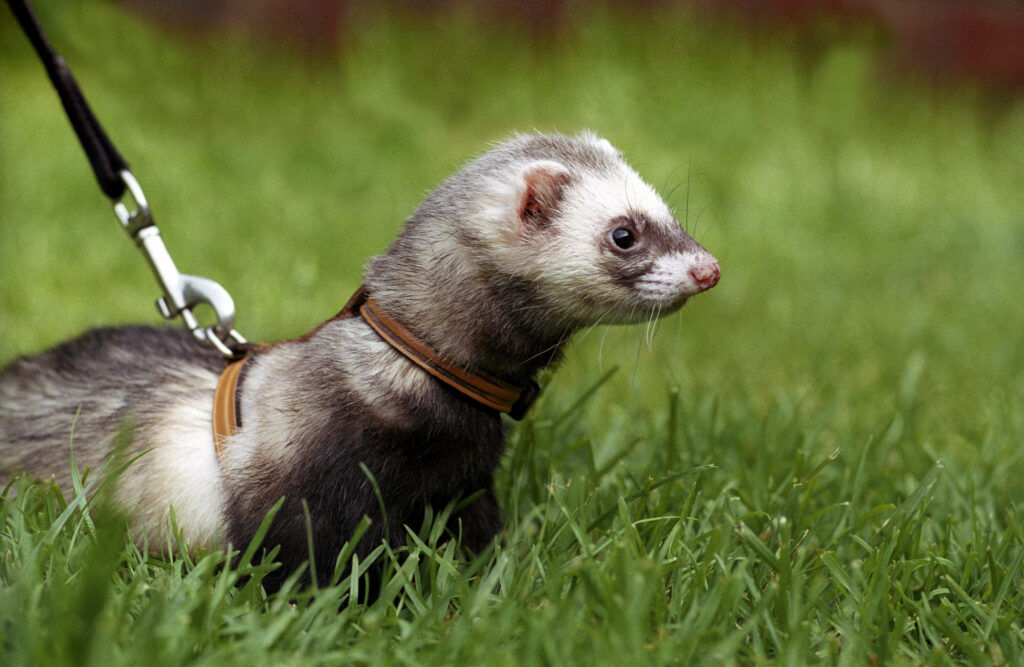
Photo by Andrew Linscott/iStock/Getty Images Plus
Ferrets are cute carnivores that make wonderful pets. With proper care, ferrets can live 4 to 10 years. Here’s what you need to know about caring for a ferret before bringing one home.
Ferret Overview
- On average, ferrets grow to be 15 inches long and weigh between 1–2 kilograms.
- Ferrets aren’t rodents, but are part of the mustelid family, along with weasels, badgers, and otters.
- Ferrets are crepuscular and mostly active at sunrise. They get 14–18 hours of sleep every day.
Fun Facts About Ferrets
- Ferrets have sweat glands all over their body, giving them their musky smell, but they can be “de-scented” after birth to help lessen the funky scent.
- You can train your ferret to use a litter box.
- Ferrets shed twice a year, in spring and fall.
Ferret Cage Guide
Get the largest cage you can, as ferrets need lots of movement and activity to stay stimulated. At the very least, for two ferrets, get a cage that’s 24 inches long, 24 inches wide, and 36 inches deep.
Recommended Products


Having multiple levels and lots of space in the cage allows your pet to jump and zoom as they please.
The space between the bars should be 1 inch or smaller, as anything larger could allow your ferret to escape or get stuck.
Cages can be inside or outside your home, but be mindful of temperature changes. Average temperatures shouldn’t drop below 40 F or exceed 85 F.
Keep cages off the floor, away from drafty areas, and not in direct sunlight. Avoid keeping the ferret cage near other animals in the home.
Use 1–2 inches of Carefresh or recycled newspaper to line the bottom of the cage.
Recommended Product

Avoid pine and cedar shavings, as those can cause nose and lung irritation, possibly leading to a respiratory disease.
Ferrets love toys! Since your ferret needs daily exercise and mental stimulation, make sure they have enough toys to keep them busy and stimulated.
Recommended Products


Ferrets burrow, so give them enough objects, like blankets, towels, and T-shirts, to play, hide, and sleep in. Also, give your ferret plenty of ramps and tunnels, like corrugated pipes, to run up, down, and through.
Maintenance and Cleaning
Spot-clean the cage daily by removing soiled material and uneaten food. Give the cage a deep clean once a week, more often if you have more than one ferret in the same enclosure.
Once you move your ferret(s) to another safe enclosure, take these steps to clean their cage:
- Remove all the old bedding and litter.
- Use a 3% bleach solution or small-animal habitat cleaner throughout the cage and on toys and accessories.
- For the bleach solution, make sure it stays on for at least 10 minutes. If using a small- animal habitat cleaner, follow the manufacturer’s directions for proper use.
- Thoroughly rinse away the bleach solution or habitat cleaner to remove any residue and lingering odor.
- Let everything dry completely before adding fresh bedding and returning toys, accessories, and your pet to the cage.
What Do Ferrets Eat? Food Requirements
Ferrets are carnivores and need an animal-heavy diet. Domesticated ferrets shouldn’t get raw meat. Instead, feed your pet high-quality pelleted food. Dry food rich in protein and fat has enough vitamins and nutrients to keep your ferret satisfied and healthy.
Recommended Product

Don’t give your pet sugary foods or fruits and vegetables. Your ferret could have a hard time processing them and might get sick as a result.
Feed your pet twice daily and ensure they have constant access to fresh, clean water. Food and water bowls should be cleaned and replenished daily.
How To Hold a Ferret
Since ferrets are social animals who love attention, handle your pet daily. Your ferret should also exercise and play outside of their cage every day.
Your pet needs constant supervision while out of the cage. Ferret-proof your home to keep them and your belongings safe while they spend time outside of their habitat, and be mindful of other pets, toxic houseplants, or electric cables and outlets.
Ferret Health
Take your ferret to see a veterinarian at least once a year while they are young, and then twice a year once they are 5 years old. Ask your veterinarian about vaccine requirements in your state, since ferrets can be vaccinated.
Watch your ferret to make sure they stay healthy, checking for clean eyes, ears, and nostrils. They should have long whiskers, trimmed nails, and a smooth, shiny coat. Make sure they are regularly eating and keeping a bright, curious personality.
Look out for signs of an unhealthy ferret, like:
- Discharge from the eyes, nose, and ears
- Hair loss, broken whiskers, or broken nails
- Loss of appetite, broken teeth, or diarrhea
- Lethargy
- Distended belly
Call your vet immediately if you notice anything out of the ordinary with your pet.
Ferret Supply Checklist
Before your ferret comes home, have all necessary supplies at the ready, including:
- Appropriately sized habitat
- High-quality ferret food and treats
- Liner, bedding, and burrowing materials
- Untippable food bowl and water bottle
- Ferret-safe toys, hammocks, and hideaways
- Litter pan and litter
- Indoor playpen
- Harness and leash for outdoor play
- Soft brush or comb
- Nail clippers and ferret-safe shampoo
FAQs About Ferrets
How long do ferrets live?
With proper care, ferrets live anywhere from 4–10 years.
How much are ferrets?
Ferret costs vary based on seller and breed. If you’re buying from a breeder, you can pay anywhere from $100 to $400. If you adopt one from a rescue, they could cost $50–$300.
Do ferrets smell?
Ferrets have a signature musky scent regardless of age or health. It’s normal to them, although you might have to get used to it.
Are ferrets rodents?
Ferrets aren’t rodents—they’re in the mustelid family with badgers, weasels, and otters.
Where do wild ferrets live?
In North America, there is only one breed of wild ferret: the black-footed ferret, who lives in a few states, including Arizona, Colorado, and Wyoming.
Click here for a printable PDF version of this care sheet!
Attributions