What Do Gerbils Eat?

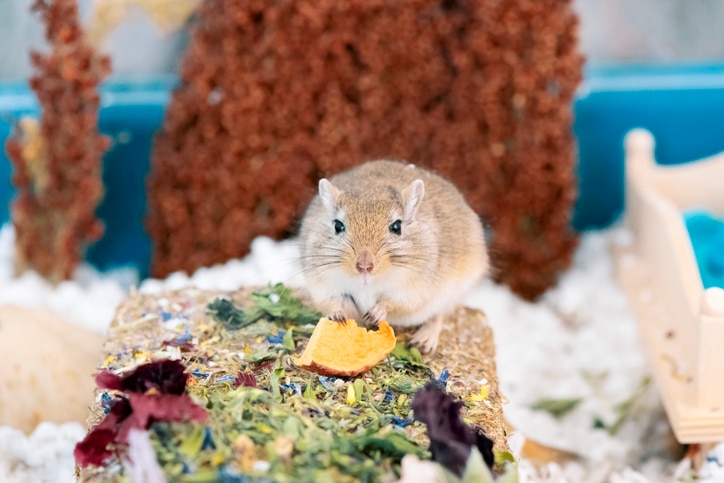
Photo by Irina Orlova/iStock/Getty Images Plus
Gerbils may be tiny animals, but they have big nutritional needs. So it’s important to understand what fuels these energetic little pets.
Here’s everything you need to know about your gerbil’s diet to help them thrive for years to come.
Key Takeaways
- Pellets should make up about 90% of a gerbil’s diet to provide complete, balanced nutrition.
- Fresh vegetables and fruits should be limited to small amounts—no more than 10% of your gerbil’s daily calories.
- Seeds and nuts are high in fat and should only be given occasionally as treats.
- Store-bought treats can be a fun option, but avoid products with too much sugar.
- Gerbils need constant access to fresh, clean water to stay hydrated and healthy.
What Do Gerbils Eat?
Gerbils thrive on a balanced diet made up primarily of high-quality pellets, with small amounts of fresh foods and occasional treats. Their nutritional needs are simple, but getting the right balance is key to supporting their energy, digestion, and overall health.
A healthy gerbil diet includes:
- A primary base of complete, balanced pellets
- Small portions of fresh vegetables and fruits
- Occasional seeds, nuts, or store-bought treats
- Constant access to fresh, clean water
Pellets (Primary Diet)
Pellets should make up about 90% of your gerbil’s diet. They provide complete, balanced nutrition, including:
- Protein to support muscle growth and repair
- Fiber to keep their digestive system moving
- Healthy fats to provide energy and healthy skin
- Essential vitamins like vitamins A, D, E, and Bs, to help with everything from vision to nervous system function
- Essential minerals—like calcium, phosphorus, magnesium, potassium, and iron—to help with skeletal health, muscle and nerve function, and help carry oxygen throughout the body
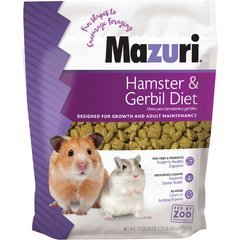
Some vet-approved pellet options include:
Recommended Products
Vegetables
Gerbils can eat a variety of vegetables in small amounts. Always opt for organic veggies, if possible, to minimize exposure to pesticides and fertilizers.
While vegetables can’t replace pellets, they tend to have high water content, which helps with hydration, and lots of fiber, which helps keep a gerbil’s digestive system moving. They also provide additional vitamins and minerals.
Gerbil-safe veggies include:
- Carrots
- Broccoli
- Cucumbers
- Zucchini
- Bell peppers
- Leafy greens
Always make sure to cut veggies into small bites before serving.
Fruits
Fruit can be a tasty, enriching treat, but don’t overdo it. Always opt for organic fruit, if possible, to minimize exposure to pesticides and fertilizers.
Remember that fruit is only a treat and—along with veggies, seeds, and store-bought treats—should make up no more than 10% of your gerbil’s daily calories. That’s because most fruit is high in sugar, and eating too much can lead to weight gain, diabetes, stomach upset, and dental issues.
Gerbil-safe fruits include:
- Apples (no seeds)
- Strawberries (remove the leaf)
- Blueberries
- Bananas (no peel)
- Pears
Cut fruits into bite-size pieces before serving.
Seeds and Nuts
Seeds and nuts are high in fat, so they should only be offered occasionally.
Gerbil-safe seeds and nuts include:
- Sunflower seeds (unsalted only, OK to serve in the shell for enrichment)
- Pumpkin seeds (unsalted only, OK to serve in the shell for enrichment)
- Sesame seeds
- Peanuts (unsalted only, remove shells to reduce choking risk)
- Almonds (unsalted only, in small pieces or slivers to reduce choking risk)
Store-Bought Gerbil Treats
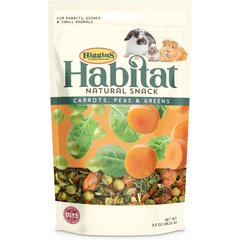
Store-bought treats can be a fun treat option, as long as they’re low in sugar and free of artificial additives.
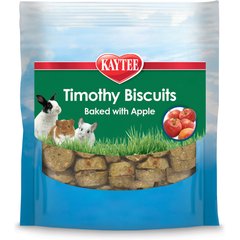
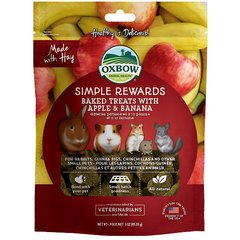
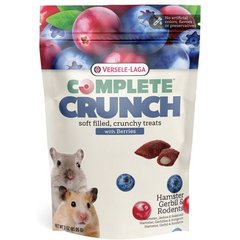
Some vet-approved options include:
Recommended Products
Fresh Water
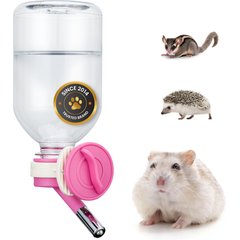
Gerbils need constant access to fresh, clean water. Water supports digestion, hydration, and overall health. A water bottle is best so it can’t be tipped over.
Recommended Product
Gerbil Feeding Tips
Follow these simple tips to help keep your gerbil’s diet balanced and on track:
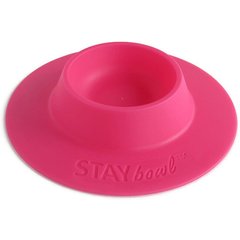
- Offer pellets in the morning and evening in a bowl made for small animals.
- Give your gerbil a measured portion of pellets at each feeding—your vet can help you figure out the right amount.
- Let your gerbil graze on pellets throughout the day. This supports their instinct for natural foraging behavior.
- Keep treats—including fruits, veggies, seeds, nuts, and store-bought treats—to no more than 10% of their daily calories.
Recommended Products

FAQs About Gerbil Food
What foods are toxic to gerbils?
Chocolate, caffeine, garlic, and onions are all toxic to gerbils and should be avoided. It’s also best to avoid any citrus fruits, which can severely irritate their digestive systems.
Can gerbils eat carrots?
Yes, gerbils can eat carrots if cut into small pieces.
Can gerbils eat apples?
Yes, gerbils can eat apples, but you should remove the seeds and offer only tiny pieces.
Can gerbils eat strawberries?
Yes, strawberries are safe in moderation, but you should cut them into bite-size pieces. Avoid the leaves, which can be difficult for gerbils to digest.
How often should you feed a gerbil?
Feed your gerbil pellets twice daily, and offer treats a few times per week in small amounts.
Attributions
This article was created with assistance from AI tools. The content has been reviewed for accuracy and edited by a human.