What Does Normal Hamster Poop Look Like? A Pet Parent’s Guide


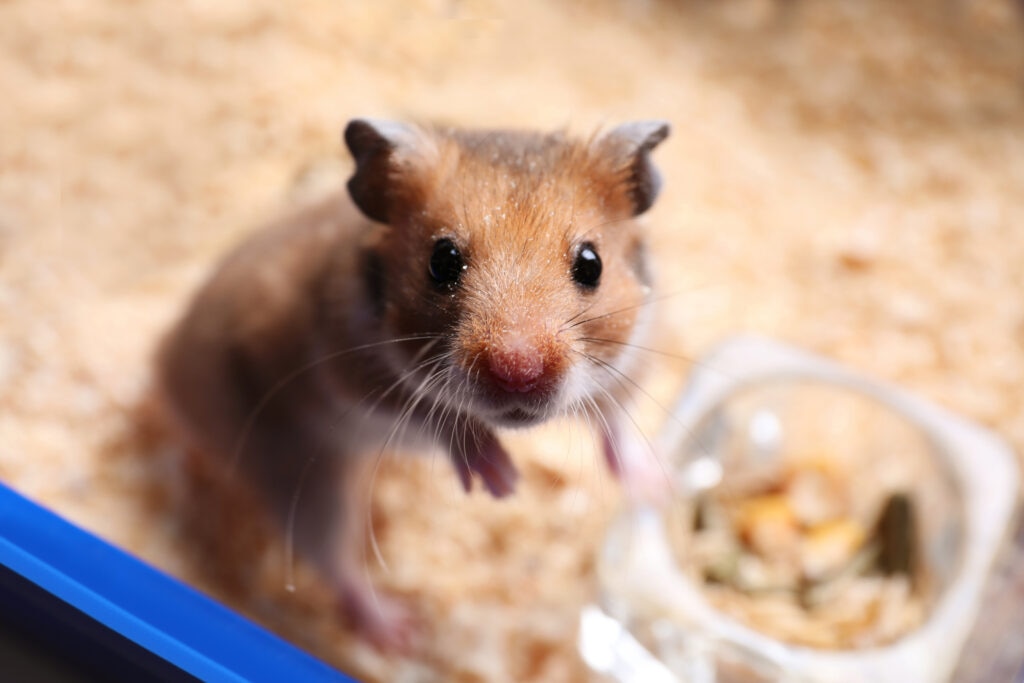
Photo by Liudmila Chernetska/iStock/Getty Images Plus
If you’ve ever wondered what normal hamster poop looks like, you’re not alone. Checking your pet hamster’s droppings might not be glamorous, but it’s one of the easiest ways to watch their health. Because hamsters are small and can become sick quickly, subtle changes in their stool are often one of the first warning signs that something isn’t right.
Here’s what healthy hamster poop should look like—and when a change means it’s time to call your veterinarian.
Key Takeaways
- Normal hamster poop is small, firm, and dark brown to black.
- Healthy droppings are pellet-shaped and not sticky, mushy, or watery.
- A mild smell is normal, but strong or foul odors are not.
- Sudden changes in color, texture, or frequency can signal a health problem.
- Diarrhea in a hamster can quickly become serious and your pet may need veterinary care.
What Does Normal Hamster Poop Look Like?
Normal hamster poop is small, firm, oval or pellet-shaped, and dark brown to black in color. It should hold its shape, feel dry (not sticky), and blend easily into bedding without leaving wet spots.
Let’s break that down further.
Size and Shape
Healthy hamster droppings are:
- About the size of a grain of rice (though size may vary depending on the breed—Dwarf hamsters will have smaller stools than Syrian hamsters).
- Oval or slightly elongated
- Fairly consistent in size
You’ll likely see many small pellets scattered throughout the habitat, especially in corners your hamster prefers.
Color
Normal hamster poop can be dark brown, deep brown, or nearly black.
Slight color variations can depend on your hamster’s diet, but stool should not be bright red, pale yellow, green with diarrhea, or black and tarry.
Texture and Consistency
Healthy stool should be:
- Firm but not rock-hard
- Dry to the touch
- Not sticky or smeared
- Easy to pick up during spot cleaning
If the poop leaves moisture on bedding or sticks to your hamster’s fur, that’s not considered normal.
How Often Do Hamsters Poop?
Hamsters poop many times throughout the day. Producing many small pellets daily is completely normal for a pet hamster. You’ll likely find droppings near food storage areas, in sleep corners, and around exercise wheels.
Because they go so often, it’s easy to spot changes quickly—which is helpful for keeping an eye on their health.
What Is Normal Poop Behavior for a Pet Hamster?
Healthy hamsters don’t just poop often—they also sometimes eat certain droppings. While this might sound alarming, it can be completely normal.
When Poop-Related Behavior Isn’t Normal
Hamsters typically don’t eat poop, but it may happen occasionally. A hamster eating poop may be concerning if you also notice:
- A sticky or wet rear end (wet tail)
- Persistent mushy stool
- Lethargy or poor appetite
- Weight loss
In those cases, it’s best to contact a veterinarian.
What Can Affect How Normal Hamster Poop Looks?
Several everyday factors can change your hamster’s droppings slightly.
Diet Changes
Food is the biggest influence on stool quality. You may notice temporary changes when:
- Introducing new vegetables
- Offering too many watery foods (like cucumber or lettuce)
- Switching staple food suddenly
When adding new foods, do so gradually and in small portions to avoid digestive upset.
Stress
Hamsters are sensitive to stress. Changes that may affect digestion include:
- Moving to a new home
- Loud environments
- Frequent handling
- Major habitat rearrangements
Stress-related poop changes are usually temporary, but ongoing stress can affect overall health.
Hydration
Proper water intake supports normal digestion. Dehydration may lead to smaller, drier droppings. Excess watery foods may soften stool. Always make sure your hamster has access to clean, fresh water.
When Is Hamster Poop Not Normal?
Hamster poop is not normal if it becomes watery, very smelly, bloody, unusually colored, or stuck to your hamster’s fur.
Here are warning signs to watch for:
- Diarrhea
- Bright red stool
- Black, tar-like stool
- Very pale or yellow stool
- Strong foul odor
- Mucus in the stool
- Wet fur around the tail
Diarrhea is especially concerning in small pets. Because hamsters are tiny, they can quickly become dehydrated.
When To Call a Veterinarian
Contact a vet right away if:
- Your hamster is experiencing diarrhea
- Your hamster stops eating or drinking
- They seem lethargic or weak
- You notice blood in the stool
- Their rear end stays wet or dirty
Early veterinary care can make a significant difference in outcomes.
How To Keep Your Hamster’s Poop Healthy
Supporting digestive health in your pet hamster comes down to good daily care.
Feed a Balanced Diet
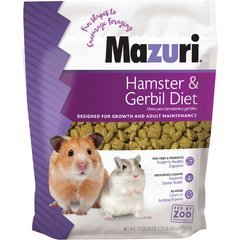
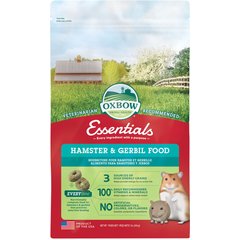
It’s important to choose a high-quality hamster staple food.
Recommended Products
Limit sugary fruits and watery vegetables.
When you introduce fresh foods, do it slowly. It’s best to avoid sudden diet switches. Gradual transitions (over seven to 10 days) help prevent digestive upset.
Maintain a Clean Habitat
Clean conditions reduce stress and support overall health. Some keys to a clean environment are:
- Spot-cleaning daily
- Removing soiled bedding promptly
- Deep cleaning on a consistent schedule
- Keeping the habitat dry and well ventilated
Monitor Regularly
During cage cleaning, take a quick look at droppings. Watch for:
- Sudden changes in consistency
- Noticeable color shifts
- Strong odors
- Decreased amounts of poop
Regular observation helps you catch problems early.
FAQs About Normal Hamster Poop
How dark should hamster poop be?
Normal hamster poop is dark brown to nearly black.
Is it normal for hamster poop to smell?
A mild odor is normal. Strong, foul smells are not and may be a sign of digestive issues.
Why is my hamster’s poop slightly softer after they eat vegetables?
Fresh vegetables can temporarily soften stool, but it should still be formed and not watery.
Do hamsters poop a lot?
Yes. Hamsters make many small pellets throughout the day.
What color of hamster poop is dangerous?
Red, black/tarry, very pale, or green stool with diarrhea are signs your hamster should be checked by a veterinarian.
Checking your hamster’s droppings might not be your favorite task—but it’s one of the simplest ways to keep an eye on their well-being.
Knowing what normal hamster poop looks like helps you feel confident that your pet hamster is healthy and thriving. And if something changes, you’ll be ready to act quickly.
Attributions
This article was created with assistance from AI tools. The content has been reviewed for accuracy and edited by a human.