Do Hamsters Need Baths? Here’s What Pet Parents Should Know

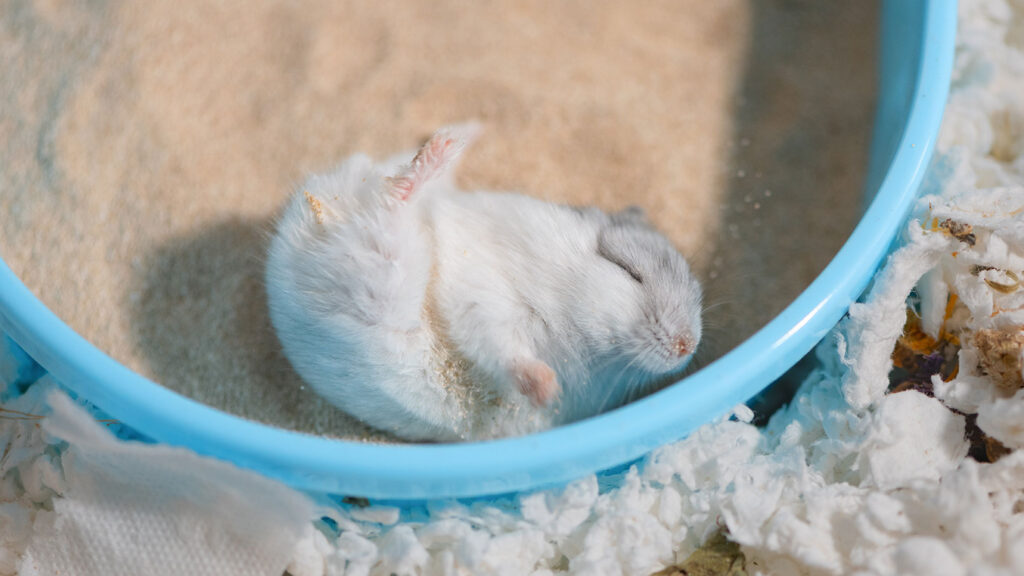
Photo by Irina Orlova / iStock / Getty Images Plus
Key Takeaways
- Hamsters do not need traditional water baths and should rarely, if ever, be bathed in water.
- Water can strip natural oils, cause stress, and increase the risk of illness.
- A hamster sand bath is the safest and most natural cleaning option.
- Keep the habitat clean—most smells come from bedding, not the hamster.
- Spot-clean gently if needed and contact a vet for persistent problems.
Do Hamsters Need Baths?
No—hamsters don’t need regular water baths. Bathing a hamster in water can remove protective skin oils, cause chilling or stress, and even contribute to respiratory or skin problems. Instead, offer a dust-free sand bath and focus on habitat cleanliness to keep your hamster healthy and comfortable.
Why Water Baths Aren’t Recommended
Water may seem like an obvious way to clean a pet, but for hamsters, it’s risky.
Their tiny bodies lose heat quickly, so a water bath can cause chilling or hypothermia. Water also washes away the natural oils that help keep their skin and fur healthy. Stress from being soaked or restrained can also cause a hamster to panic, which raises the risk of injury or a bite.
Because hamsters are prey animals, they are easily stressed by handling that feels threatening.
There are a few rare exceptions where water might be used—for example, if a hamster gets a sticky or hazardous substance on their fur and a veterinarian tells you to do a careful cleaning.
Even then, water use should be minimal and done with extreme caution.
Why Hamsters Stay Clean on Their Own
Hamsters are naturally tidy animals. Like cats, they groom often, using their paws and tongues to remove debris and distribute oils through their fur. Regular self-grooming keeps them clean without human help. In many cases, odor or dirtiness is a sign of a soiled habitat rather than an unclean hamster.
Keeping bedding fresh, removing soiled material quickly, and keeping proper cage hygiene goes a long way toward preventing problems that might otherwise prompt a bath.
Hamster Sand Baths and Why They’re Better
A hamster sand bath is a shallow container filled with specialized, dust-free sand designed for small animals.
Recommended Products
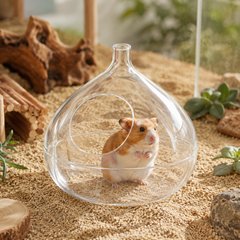
When hamsters roll and burrow in the sand, it helps absorb excess oils and remove loose fur and dirt. This mimics natural behavior of desert-dwelling rodents and provides enrichment in addition to cleaning benefits.
Important safety points:
- Use sand labeled safe for small pets (often sold as “small pet sand” or “rabbit/gerbil sand”); it should be dust free.
- Do not use chinchilla dust for hamsters—it’s too fine and can irritate a hamster’s respiratory system.
- Avoid playground or construction sand, which may contain harmful particles or contaminants.
How To Set Up a Hamster Sand Bath
- Choose a shallow, sturdy container that won’t tip easily.
- Add one to two inches of dust-free small-pet sand.
- Place the bath in a corner of the enclosure or offer it in a play area.
- Allow the hamster to enter and exit freely; many hamsters will use it on their own schedule.
Some hamsters like having constant access to a sand bath, while others prefer it only occasionally. Watch your pet to see how often they use it and remove or refresh the sand if it becomes soiled.
When a Hamster Needs Cleaning
Most of the time, hamsters do their own grooming. But there are situations that call for human help:
- Something sticky, oily, or potentially toxic is on the fur.
- Fur becomes matted or heavily soiled.
- The hamster has an obvious skin problem (redness, sores) or strong, abnormal odor.
If you must clean a small area, use a damp (not soaking) soft cloth and gently wipe the spot. Dry the hamster thoroughly and keep them warm afterward. Never submerge a hamster in water or use soap/shampoo without veterinary guidance.
Safe Spot–Cleaning Tips
- Use lukewarm water on a damp cloth.
- Gently blot—don’t rub hard.
- Dry the area right away with a warm, soft towel and return the hamster to a warm, draft-free spot.
- If the substance is chemical or unknown, or if the hamster shows distress, contact a veterinarian right away.
Why Does My Hamster Have an Odor?
Actually, a healthy hamster usually has little to no odor. Most smells come from the habitat, caused by soiled bedding, urine buildup, uneaten fresh food, poor ventilation, or infrequent cleaning.
To reduce odor, spot-clean daily, replace bedding weekly, and do deep cleans of the cage monthly with a pet-safe cage cleaner.
Recommended Products
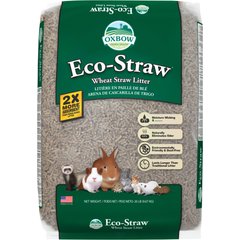

A clean habitat prevents most cleanliness issues and keeps your hamster comfortable.
When To Call the Vet
Contact a veterinarian if you notice:
- Persistent greasy or matted fur despite sand baths and cleaning
- Strong, unusual odor from the hamster herself (not the cage)
- Redness, sores, hair loss, or scabs on the skin
- Lethargy, loss of appetite, or other signs of illness
These can be signs of skin infections, parasites, or systemic health problems that need professional care.
FAQs About Do Hamsters Need Baths
Do hamsters need water baths?
No. Water baths are generally unnecessary and can be harmful.
How often should I give my hamster a sand bath?
Many hamsters enjoy frequent access; for others, occasional sessions work. Watch your pet’s use of the sand bath and refresh sand when it becomes dirty.
Can I use chinchilla dust in my hamster’s habitat?
No. Chinchilla dust is too fine and can cause respiratory irritation in hamsters.
What happens if you bathe a hamster in water?
They can become chilled, stressed, and more prone to skin and respiratory problems.
Why is my hamster greasy?
Greasy fur can result from age, lack of access to sand, or health issues. If it persists, contact a vet.
For normal care, provide a clean habitat and a safe hamster sand bath to let them groom naturally. Reserve spot cleaning and any water-based cleaning for emergencies or when a veterinarian specifically tells you to. With the right setup and a bit of observation, your hamster will stay clean, comfortable, and content.
Attributions
This article was created with assistance from AI tools. The content has been reviewed for accuracy and edited by a human.