Hamster Bedding: What’s Safe and What’s Not

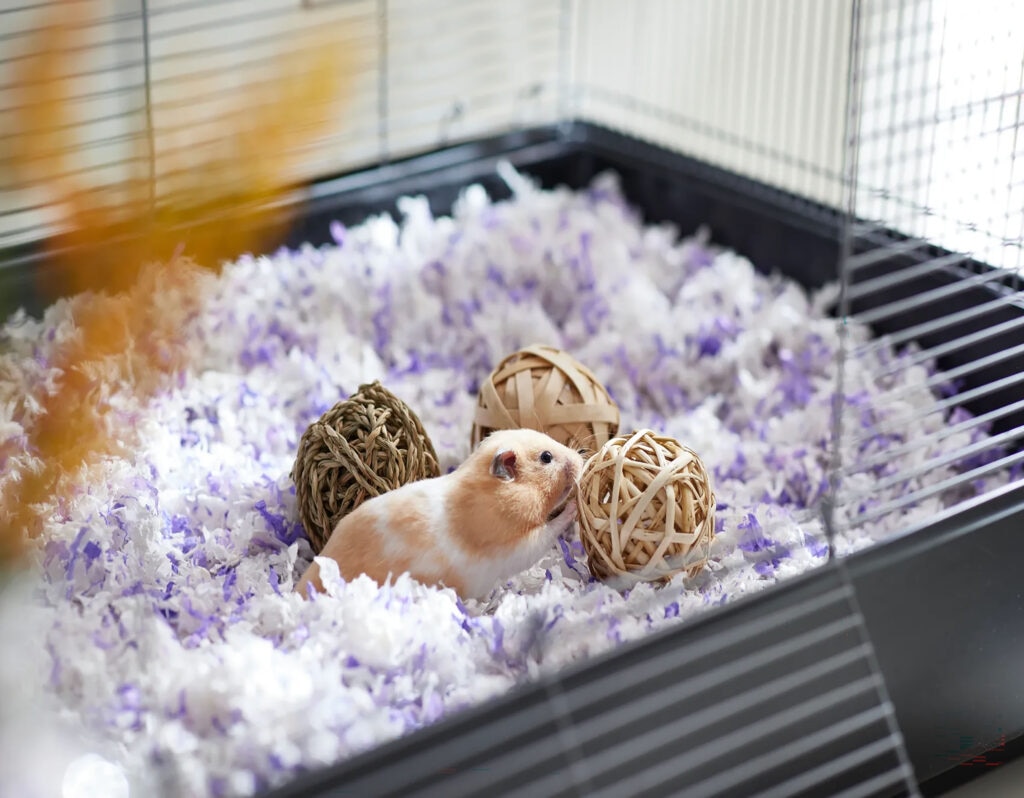
Photo by Chewy
Choosing the right hamster bedding is one of the most important ways to keep your hamster comfortable and healthy. Bedding isn’t just about absorbing waste—it plays a major role in supporting natural behaviors like digging and burrowing.
Below you’ll learn about safe bedding options, the best hamster bedding for burrowers, and which materials pet parents should not use.
Key Takeaways
- The best hamster bedding is soft, absorbent, low-dust, and safe for burrowing.
- Paper-based bedding is a common go-to; kiln-dried aspen can also work for many hamsters.
- Avoid cedar and pine (especially non–kiln-dried), or bedding that’s scented or very dusty.
- “Fluffy” cotton nesting materials can be dangerous if swallowed or tangled.
- Bedding depth matters: Hamsters need enough bedding to dig and tunnel in.
What Makes Hamster Bedding Safe?
Safe hamster bedding is soft, absorbent, low–dust, and free of harmful oils or chemicals. It should also allow your hamster to burrow and build tunnels comfortably.
Safety Checklist
When shopping for hamster bedding, look for options that are:
- Low-dust, which helps protect sensitive respiratory systems
- Unscented, since added fragrances can irritate airways
- Highly absorbent, to control moisture and odor
- Non-toxic, even if your hamster nibbles it
- Able to hold tunnels, so burrows don’t collapse easily
Hamsters have delicate lungs, and dusty or heavily scented bedding can lead to irritation or respiratory problems.
Why Bedding Depth Matters
In the wild, hamsters dig complex underground burrow systems. That instinct doesn’t disappear in captivity.
Most hamsters enjoy at least six inches of bedding, and deeper—eight to 12 inches—is often even better if your enclosure allows it. A deeper layer lets your hamster tunnel naturally, feel secure, regulate body temperature, and stay mentally enriched.
As long as there is enough airflow and the habitat stays clean, deeper bedding is usually better.
Best Hamster Bedding Options
The best hamster bedding is typically paper–based, unscented, and low–dust. However, there are other safe options depending on your setup and preferences.
Paper-Based Bedding
Paper bedding is one of the most widely recommended choices. It works well for most hamsters, especially those who love to dig.
Pros:
- Soft and gentle on paws
- Excellent absorbency
- Good odor control
- Supports burrow building
What to look for:
- Unscented varieties
- Clearly labeled “low dust”
- No added dyes
Aspen Bedding (Kiln-Dried)
Kiln-dried aspen is another commonly used choice.
Pros:
- Widely available
- Good odor control
- Generally safe when kiln-dried
Considerations:
- May not hold tunnels as well as paper bedding
- Some brands can still be dusty
Some pet parents mix aspen with paper bedding to improve tunnel stability while keeping comfort high.
Hemp or Linen Bedding
Hemp- and linen-based bedding can also be safe options. These can be good alternatives for pet parents looking for natural fiber bedding.
Pros:
- Often absorbent
- Can be relatively low-dust
Considerations:
- Texture varies by brand
- May be more expensive or harder to find
Bedding Blends
Mixing bedding types can offer benefits such as better tunnel support, improved odor control, and balanced texture.
Recommended Products
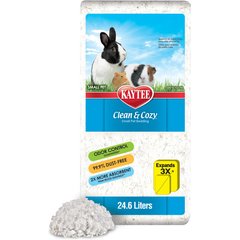
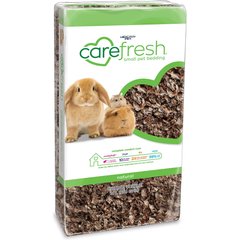
For example, a paper bedding base combined with a small amount of aspen or hemp can create a comfortable and functional setup. Always check dust levels and watch for signs of sensitivity.
Hamster Bedding Pet Parents Should Never Use
Avoid bedding that is aromatic, dusty, scented, or likely to cause tangling or digestive blockages.
Cedar Bedding
Cedar bedding is not recommended either. It has strong aromatic oils that may irritate a hamster’s respiratory system and skin.
Pine Bedding
Pine bedding has aromatic oils that can be irritating. Avoid even kiln-dried pine in favor of safer options like paper or aspen.
Scented Bedding
Added fragrances can irritate your hamster’s respiratory system. Scented bedding also masks smells that could be from a less than clean habitat.
Dusty Bedding
Dust can lead to respiratory irritation. A quick way to check is the shake test—if you see a visible dust cloud when pouring bedding, it’s probably too dusty.
Fluffy Cotton Nesting Material
Fluffy cotton nesting products may look cozy, but they can be dangerous.
- Fibers can wrap around tiny legs or toes, which can cut off circulation.
- If swallowed, they can cause intestinal blockages.
Cat Litter or Silica Litter
Never use clumping cat litter, silica litter, or similar materials as hamster bedding. These products can cause ingestion hazards (toxicity/blockages), dust issues, and clumping risks (in the mouth, stomach, intestines).
Corn Cob Bedding
Corn cob bedding is not recommended because it:
- Doesn’t absorb moisture well
- Can grow mold
- May contribute to irritation
Sawdust or Unknown Wood Shavings
Loose sawdust or wood shavings of unknown origin may be too dusty or unsafe, depending on the wood type. It’s best to choose bedding clearly labeled for small pets.
How Much Bedding Does a Hamster Need?
Most hamsters do best with enough bedding to burrow and tunnel through, with at least one deep section in the enclosure.
Ideally, provide an average of 6 inches of bedding with a deeper area of eight to 12 inches for deep digging and burrowing.
Depth Guidance by Behavior
Some hamsters are enthusiastic burrowers, while others prefer surface sleeping. You can create a deep dig zone in one corner and slightly shallower bedding in other areas.
Keep bedding dry and fluffy rather than compacted.
How Often To Change Hamster Bedding
- Spot-clean daily, removing wet or soiled areas.
- Perform partial or full bedding changes on a routine schedule, depending on enclosure size and odor. It’s recommended that you fully change your hamster’s bedding weekly, with a complete breakdown and thorough cleaning of their enclosure monthly.
Avoid over-cleaning. Removing all bedding too often can stress hamsters by getting rid of their familiar scent.
Signs Your Hamster Bedding Isn’t Working
Bedding may be causing problems if you notice:
- Sneezing or coughing
- Watery eyes
- Itchy or irritated skin
- Wet bedding buildup
- Strong ammonia smell
- Avoidance of burrowing
Respiratory or Irritation Signs
If your hamster shows respiratory symptoms or is excessively scratching, switch to a low-dust, unscented paper bedding and contact a veterinarian if symptoms continue.
Cleanliness and Odor Issues
Persistent odor usually means:
- Bedding isn’t absorbent enough
- Spot-cleaning isn’t done often enough
- Ventilation needs improvement
Adjust your cleaning routine or consider switching bedding types.
How To Set Up Hamster Bedding for Comfort and Easy Cleaning
Use a thick base layer, create a deep burrow zone, and do consistent spot–cleaning.
Quick Setup Steps
- Add a generous base layer of safe bedding.
- Build a deeper section for digging.
- Provide safe nesting materials.
- Add a designated litter area if your hamster uses one.
- Spot-clean wet areas daily.
Pro Tips
- Be mindful of food stash areas when cleaning.
- Avoid piling bedding against ventilation openings.
- When possible, replace only the soiled portions.
FAQs About Hamster Bedding
What is the best hamster bedding?
Unscented, low-dust paper-based bedding is one of the best options for most hamsters.
Is pine bedding safe for hamsters?
Many pet parents avoid pine because of aromatic oils. Paper-based bedding is typically the safer choice. If pine is used, it should be clearly labeled “kiln dried” and “low dust.”
Is cedar bedding safe for hamsters?
No. Cedar bedding is generally not recommended because of aromatic oils that may irritate hamsters.
Can I use cotton fluff as hamster bedding?
No. Fluffy cotton nesting products can entangle limbs and may cause dangerous blockages if swallowed.
How often should I change hamster bedding?
Spot-clean daily and perform partial or full bedding changes as needed based on enclosure size, moisture, and odor.
Choosing safe hamster bedding helps support your hamster’s health, comfort, and natural behaviors. With the right materials and setup, you can create a clean, cozy habitat where your small pet can dig, burrow, and thrive.
Attributions
This article was created with assistance from AI tools. The content has been reviewed for accuracy and edited by a human.