A Pet Parent’s Guide to Rabbit Grooming


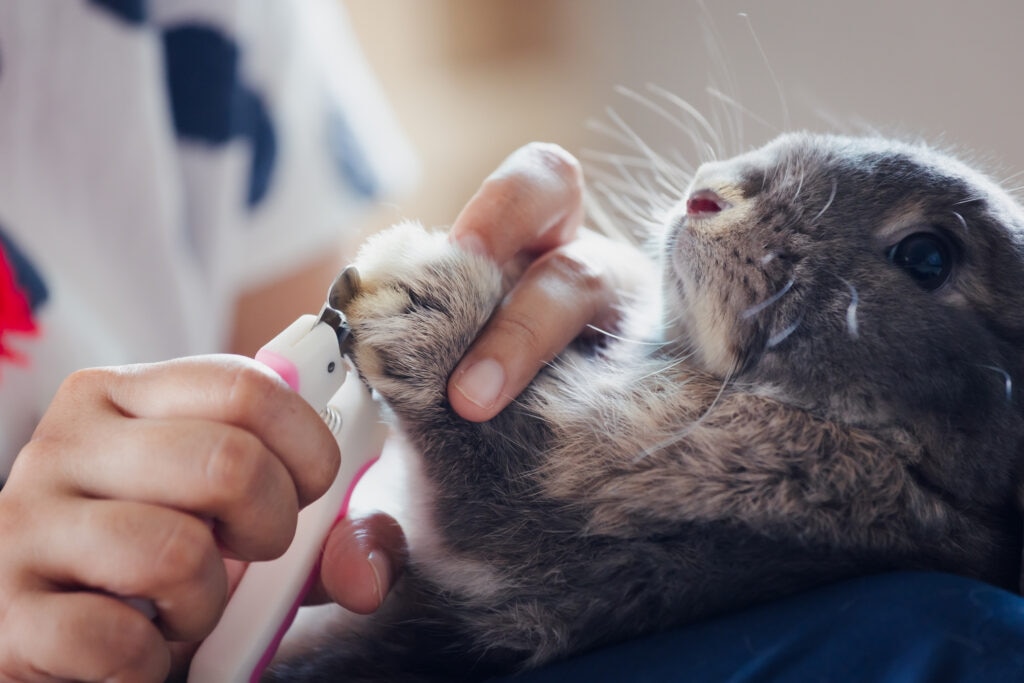
Photo by Sasiistock/iStock/Getty Images Plus
Rabbit grooming isn’t just about making your bunny look cute—it’s essential preventive care. Grooming also gives you a chance to bond with your rabbit and build trust.
Let’s look at everything you need to know about caring for your bunny’s fur safely and effectively.
Key Takeaways
- Regular grooming helps prevent mats, supports skin and digestive health, and allows early detection of potential medical issues.
- Grooming needs vary by rabbit breed and include brushing, nail trims, ear checks, and occasional spot cleaning or scent gland care.
- Use gentle handling, supportive techniques, and proper tools to keep grooming stress-free and safe—seeking professional help when needed.

Why Is Rabbit Grooming Important?
Rabbits have delicate skin and shed heavily throughout the year, and staying on top of brushing, nail trims, and routine checks helps keep them comfortable and healthy.
Routine grooming can also help you catch early signs of trouble.
Here’s why grooming your rabbit is important:
- It helps reduce mats and keeps skin healthy. Rabbits shed, and heavy seasonal molts can quickly lead to mats—those tangled clumps of live and shed hair—especially around the hind end. According to Rae Porter-Blackwell, DVM, ABVP, a board-certified exotic companion mammal specialist at The Center for Bird and Exotic Animal Medicine and president-elect of the Association of Exotic Mammal Veterinarians (AEMV), mats can trap urine and feces against the skin, which may cause irritation or serious skin infections.
- It reduces the risk of digestive problems. “Rabbits can swallow a lot of fur while they groom themselves, and unlike cats, they can’t vomit,” says Dr. Porter-Blackwell. Hairballs can cause dangerous obstructions that sometimes require hospitalization or surgery. They can also increase the risk of gastrointestinal stasis—a condition where digestive movement slows or stops, leading to a buildup of gas.
- It helps you monitor your rabbit’s health. According to Dr. Porter-Blackwell, grooming gives you a chance to catch subtle changes such as dandruff, parasites, or lumps that may require a check-up to avoid bigger medical issues.
- It helps build trust. “Gentle, consistent handling during grooming helps build trust and strengthens your bond. It teaches rabbits that touch is safe, which can make vet visits and medical care less stressful over time,” says Colleen Roman, DVM, RVT, founder of AnimALL Mobile Veterinary Service in Atlanta and the AEMV vice president.
How Often Should Rabbits Be Groomed?
A rabbit’s grooming schedule depends on their coat type, ear shape, age, and overall health. Here’s a breakdown of factors to consider in helping you tailor a routine to your rabbit’s needs.
Brushing
Brushing recommendations largely depend on your rabbit’s coat. You should brush short-haired rabbits about once a week.
Brush rabbits with long or wooly coats (e.g., Angoras, Lionheads, and Jersey Woolies) several times weekly or once daily, especially during shedding seasons.
Dr. Porter-Blackwell notes that wooly coats can mat quickly without daily attention.
Nail Trimming
According to Dr. Roman, wild rabbits naturally file their nails while walking on rough terrain and digging, but indoor rabbits don’t have the same opportunities to wear down their nails.
Overgrown nails can snag on flooring or change how a rabbit stands, putting extra strain on their joints.
Dr. Roman recommends trimming your rabbit’s nails every four to six weeks or sticking to a monthly schedule to make it easy to remember.
Ear Care
Most rabbits don’t need routine ear cleaning, except for lop-eared breeds. Because their ear shape makes it harder for them to clear normal wax, they’re prone to buildup that can lead to serious issues like ear canal swelling or deep infections such as otitis media.
“Lops generally benefit from gentle weekly cleanings,” says Dr. Roman. “For other rabbits, simply check the ears weekly for odor, debris, redness, or head shaking, but let your veterinarian handle deeper cleaning.”
Bathing
Dr. Porter-Blackwell discourages full baths unless for your bunny unless they’re recommended by a rabbit-savvy veterinarian. Rabbits can get too cold after a bath since they are small and lose heat easily. Baths given when they’re not needed can also cause stress or worsen skin issues.
Instead of bathing, spot-clean your rabbit if they get dirty or need extra care. Senior, obese, or mobility-impaired rabbits need more frequent checks, since they may struggle to keep themselves clean.
Scent Gland Cleaning
Rabbits have scent glands under their tail and chin that can accumulate dark, waxy debris. Dr. Roman suggests checking these areas monthly when trimming your rabbit’s nails and gently wiping the glands with warm water asneeded.
Rabbit Grooming Essentials
The right tools are essential for safe bunny grooming. While you may not need everything listed here, these basic items can help you get started:
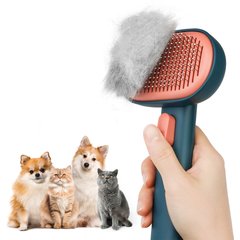
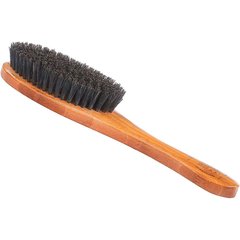
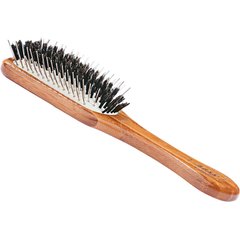
- Slicker brush, soft bristle brush, or paddle brush. The right rabbit grooming brush depends on your bunny’s fur type and can require some experimentation.
Recommended Products
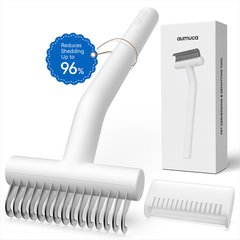
- Undercoat rake for heavy shedders.
Recommended Product
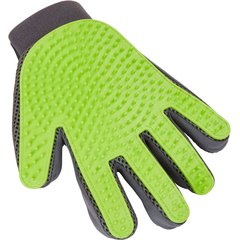
- Rubber grooming glove for light shedding.
Recommended Product
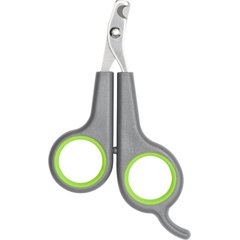
- Pet nail clippers made for cats (for small rabbits) or small dogs (for larger rabbits).
Recommended Product
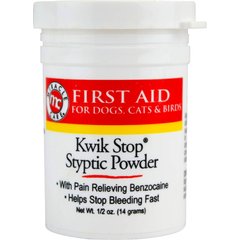
- Styptic powder to stop bleeding if a nail is clipped too short.
Recommended Product
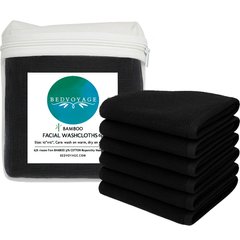
- Cotton pads or soft cloths for ear checks.
Recommended Product
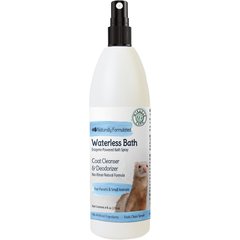
- Pet-safe wipes and waterless baths for gentle spot cleaning.
Recommended Products

- A non-slip towel or grooming mat for safety.
Recommended Product
- Treats or a lick mat to distract your rabbit and create positive associations with the grooming process.
Recommended Product

- A calming wrap as an optional tool for nervous rabbits.
Recommended Product

How To Groom Your Rabbit
Once you have gathered the necessary supplies, you’re ready to go. Follow these steps to help grooming go as smoothly as possible.
1. Prepare the Area
Rabbits become stressed easily, so creating a calm environment where your rabbit feels safe is one of the most important things you can do to create a positive grooming experience.
To do this:
- Choose a quiet room with good lighting.
- Place your rabbit on a towel or non-slip surface so they feel secure.
- Keep treats handy so you can reward your rabbit and keep them focused.
2. Support Your Rabbit
Drs. Roman and Porter-Blackwell stresses the importance of always supporting your rabbit’s hindquarters. “Rabbits have a significantly lower bone density than other mammals and can seriously injure their backs if they struggle, kick, and overextend their spine,” says Dr. Roman.
Dr. Porter-Blackwell recommends mastering the “C” hold to keep your rabbit safe. To do this, place one hand under your rabbit’s chest and the other hand under their hindquarters, gently lifting them so their body forms a relaxed “C” shape. This position supports their spine evenly, keeps their legs from flailing, and helps them feel secure.
3. Brush Your Rabbit’s Coat
Once your rabbit settles in, start with gentle strokes to remove loose fur. For long-haired breeds, work in small sections to prevent mats from forming.
If you find mats, don’t tug or try to brush through them. Pulling or twisting mats can be painful and stressful, so our experts recommend letting a rabbit professional handle severe matting.
4. Check Your Rabbit’s Ears
Gently wipe visible debris with a cotton pad or soft cloth. Never insert cotton swabs (or anything else) into the ear canal past the area you can easily see. Deep ear cleanings should be handled by a rabbit-savvy vet.
5. Trim Your Rabbit’s Nails
Start by clipping only the sharp, pointed tip of each nail. If you’re new to nail trims or feeling unsure, take off very small amounts at a time to reduce the risk of hitting the quick (the sensitive blood vessel and nerve inside the nail).
If you accidentally clip too far and the nail bleeds, don’t panic. Apply styptic powder right away, and this should stop the bleeding within a few seconds.
6. Spot–Clean Your Rabbit’s Coat
Use a damp cloth or pet-safe wipe to gently clean any soiled areas, ensuring you properly support your rabbit while you clean them. Check the scent glands and wipe away any dark, waxy buildup.
7. Keep Sessions Short and Positive
Complete the grooming session as quickly as possible, but don’t forget to take breaks and offer treats throughout the process. If your rabbit gets stressed, overheated, or starts to struggle, stop and try again later.
8. Know When To Call a Professional
Most rabbit parents can safely groom their pets at home with patience, the right tools, and good technique. However, according to Dr. Roman, professional help is a better choice for:
- Rabbits with severe mats
- Long-haired breeds who need full coat management
- Rabbits who become stressed or aggressive during handling
- Senior rabbits who are fragile or arthritic
- Any rabbit with a current medical condition
FAQs About Rabbit Grooming
Are you supposed to groom rabbits?
Yes. Rabbits need routine grooming to manage shedding, prevent mats, and reduce the risk of digestive issues from ingesting excess fur.
Should you give rabbits a bath?
Spot-cleaning the fur of a rabbit is OK, but you should avoid full-body baths unless recommended by your rabbit’s veterinarian. Rabbits can become stressed or dangerously chilled during or after a bath.
How often should you groom rabbits?
Grooming frequency depends on your rabbit’s fur type. Short-haired rabbits usually need weekly brushing, while long-haired or wooly breeds need brushing daily or at least a few times per week. Nail trims are needed every month, and lops benefit from weekly ear checks.
Is rabbit grooming a thing?
Rabbit grooming is an important part of bunny parenthood. Basic grooming for rabbits includes brushing, nail trims, ear checks, and occasional scent gland cleaning.
Can rabbits get haircuts?
Some long-haired or wooly rabbit breeds need occasional trimming to prevent mats, but full haircuts should be left to a professional, since rabbit skin is thin and cuts easily.
Attributions