Sort
Filter
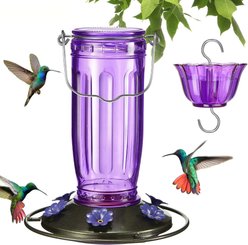
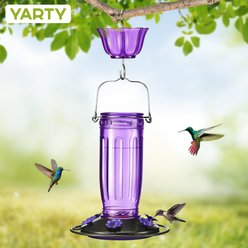

$24.99 Chewy Price
($1.57/oz) Price per Unit
$32.99 List Price
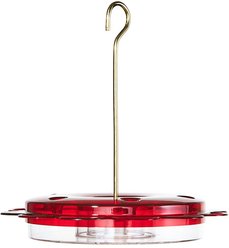
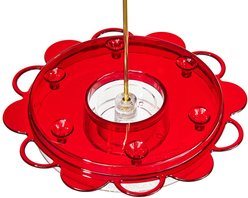
$17.29 Chewy Price
($1.45/oz) Price per Unit
$21.99 List Price


$29.99 Chewy Price
($1.08/oz) Price per Unit
$5.44 Chewy Price
($0.68/oz) Price per Unit
$13.51 List Price
$25.99 Chewy Price
($0.82/oz) Price per Unit
$26.95 List Price

$30.80 Chewy Price
($1.54/oz) Price per Unit
$33.49 List Price

$12.82 Chewy Price
($0.46/oz) Price per Unit
$17.99 List Price
$5.49 Chewy Price
($0.92/oz) Price per Unit
$8.99 List Price


$22.99 Chewy Price
($0.77/oz) Price per Unit
$35.97 List Price
$15.99 Chewy Price
($1.00/oz) Price per Unit
$23.15 Chewy Price
($0.73/oz) Price per Unit
$26.99 List Price

$10.99 Chewy Price
($0.69/oz) Price per Unit
$22.99 Chewy Price
($1.65/oz) Price per Unit
$26.99 List Price
$14.99 Chewy Price
($0.60/oz) Price per Unit
$17.46 List Price

$13.99 Chewy Price
($0.88/oz) Price per Unit
$27.31 Chewy Price
($2.74/oz) Price per Unit
$44.80 List Price

$15.99 Chewy Price
($1.00/oz) Price per Unit
$19.99 Chewy Price
($1.67/oz) Price per Unit
$20.99 List Price
$7.67 Chewy Price
($0.43/oz) Price per Unit
$8.99 List Price
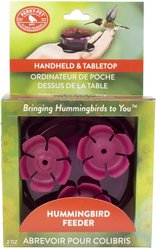
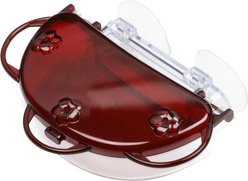
$12.62 Chewy Price
($1.81/oz) Price per Unit

Hummingbird Feeders
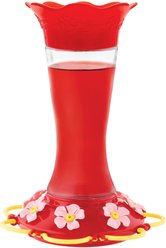
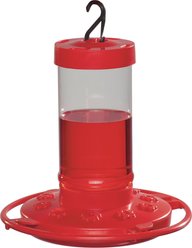
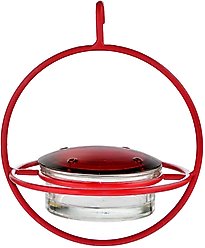
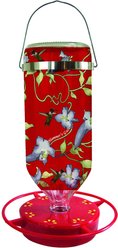
Hummingbird feeders are specially designed feeders that provide nectar to attract hummingbirds, offering them a quick and easy food source. What sets them apart from other bird feeders is that they mimic the flowers that hummingbirds naturally feed from, with features like bright colors (usually red), small feeding ports, and nectar-filled reservoirs. Unlike typical bird feeders that offer seeds, hummingbird feeders are tailored to the unique feeding habits of these tiny, fast-moving birds, giving them the sugary nectar they need for energy. Perfect for creating a hummingbird haven, these feeders allow you to watch these fascinating creatures up close. Here are a few types of hummingbird feeders to consider:
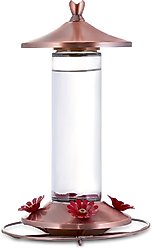
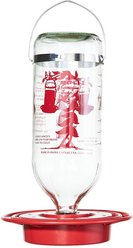
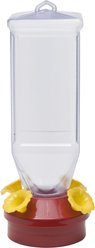
- Bottle feeders: Long, narrow reservoir shaped like a bottle that dispenses nectar through the bottom
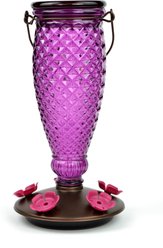
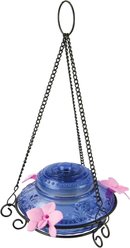
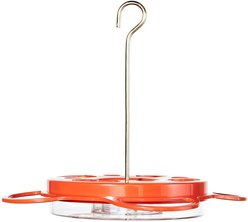
- Saucer feeders: Flat, shallow basin with feeding ports around the edges
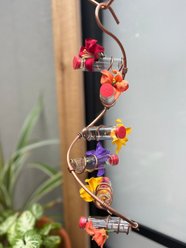
- Tube feeders: Several small feeding tubes for several birds at once
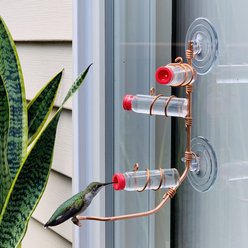
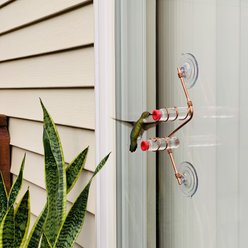
- Window feeders: Attach directly to your window for bird viewing
- Smart bird feeders: Made with sensors and cameras so you can watch the bird up-close on your phone
Choosing the right hummingbird feeder depends on a few key factors, like ease of cleaning, durability, and design. Look for a feeder with wide, removable parts for easy cleaning, as keeping it free of mold and bacteria is crucial for the birds' health. Consider a saucer-style feeder for less spillage or a tube-style for a more traditional design. If you want to attract more birds, choose a feeder with multiple feeding ports, and opt for a bright red design to catch their attention. Make sure the feeder is made from sturdy, weather-resistant materials, and choose one that suits the space you have — whether it's hanging from a tree or mounted on your window.
Frequently Asked Questions about Hummingbird Feeders
What kind of feeders do hummingbirds like?
Hummingbirds are drawn to feeders that mimic the flowers they naturally feed from, so they love brightly colored feeders, especially red, which attracts them from a distance. They prefer saucer-style feeders with shallow nectar and multiple feeding ports, making it easy for them to sip without getting too close to each other. Tube-style feeders with small feeding holes also work well, as they're ideal for smaller birds. Whichever style you choose, make sure the feeder is easy to clean, as hummingbirds are sensitive to mold and bacteria.
Which materials are good for hummingbird feeders?
When choosing hummingbird feeders, look for materials that are durable, easy to clean, and safe for the birds. Glass is a popular choice because it's sturdy, doesn't absorb odors, and is easy to clean without retaining bacteria. Plastic feeders are lightweight and often more affordable, but they should be made from high-quality, UV-resistant plastic to prevent cracking in the sun. Metal accents, like hanging hooks or feeding ports, are great for adding durability and a decorative touch.
How big should a hummingbird feeder be?
The size of the feeder depends on how many birds you want to attract and how often you plan to refill it. A small feeder with one or two feeding ports is perfect for a few hummingbirds, especially if you have limited space or don't want to refill it too often. For larger yards or if you want to attract more hummingbirds, go for a feeder with 4 to 8 feeding ports and a larger nectar capacity. Just remember that larger feeders will need to be cleaned more frequently, as the nectar can spoil quickly in warm weather.
Should a hummingbird feeder be in the sun or shade?
A feeder is best placed in a mix of sun and shade to keep the nectar fresh and prevent it from overheating. Direct sunlight can cause the nectar to spoil quickly, especially on hot days, but placing it in full shade might make it harder for the hummingbirds to spot from a distance. Try hanging your feeder in a location where it gets some morning sun but is shaded during the hotter part of the day, like under a tree or near a porch overhang. This way, the nectar stays fresh longer, and the birds can easily find it.
Why put aluminum foil around a hummingbird feeder?
Wrapping aluminum foil around a feeder can help keep ants away. Ants love the sweet nectar, but they can't climb up the smooth, slippery surface of aluminum foil. By wrapping a strip around the feeder's pole or hanging hook, you CREATE a barrier that prevents ants from reaching the nectar. It's a simple, eco-friendly trick to keep your feeder clean and your hummingbirds happy without the need for harsh chemicals or additional pest control methods.
Bird Type
Brand
7 Brands are shown below