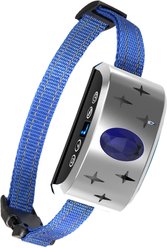
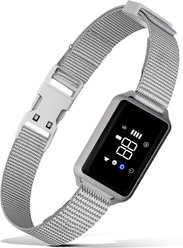
Small Bark Collars
Small Breeds
Small Breeds
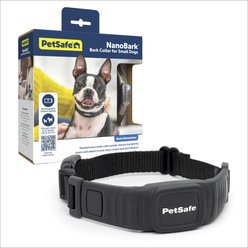
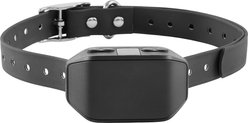
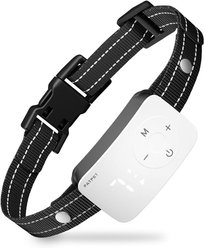
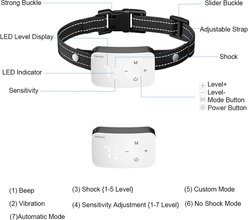
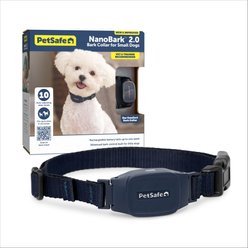
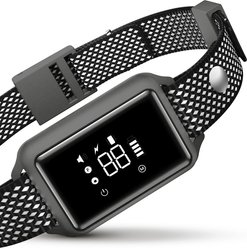
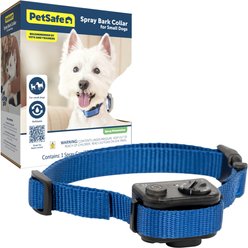
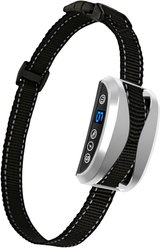
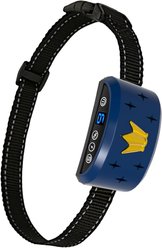
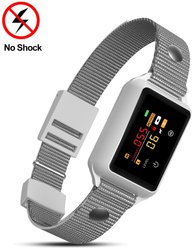
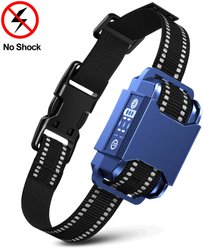
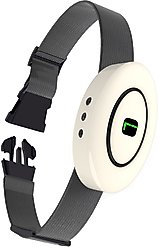
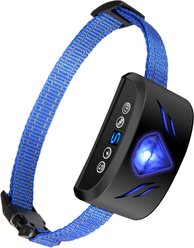
A bark collar for small dogs is designed to help pet parents manage excessive barking through gentle, corrective feedback. Bark collars typically use vibration, sound, or static cues to interrupt barking behavior. Small bark collars are tailored to fit the neck size and lighter build of smaller breeds, providing a secure yet comfortable fit. For pet parents exploring this training tool, it’s important to understand how a bark collar for small dogs works, what safety feature to look for, and whether this type of correction aligns with your dog’s personality and training needs.
Used thoughtfully and in combination with positive reinforcement, bark collars can be part of a broader strategy to reduce stress for both dogs and their families. Before using one, however, it’s a good idea to consult your veterinarian or a certified trainer to make sure it’s the right fit for your dog’s behavior and temperament. Not all small dogs respond the same way, so choosing a collar with the right features and safety measures is crucial.
Bark collars for small dogs can be safe when properly fitted and used correctly as part of a comprehensive training regimen. Consult a veterinarian or certified professional trainer prior to use and select a model specifically designed for small breeds.
The best type of bark correction for small dogs is gentle but consistent. Many pet parents prefer small bark collars that only utilize sound or vibration. Static models should be used with caution, and ideally with professional guidance.
No, bark collars should not be used for puppies. Most bark collars for small dogs are intended for dogs over a certain age or weight, so check the manufacturer’s instructions before use. Puppies may be too young to understand the method of correction, and positive reinforcement methods are more likely to be effective.