Best Dog Training Collars
Our Top Picks
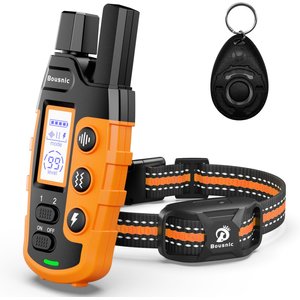
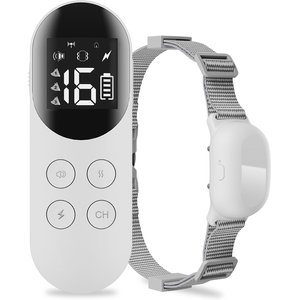
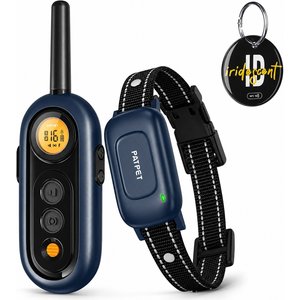
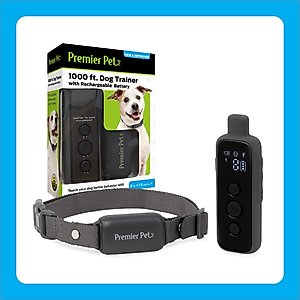
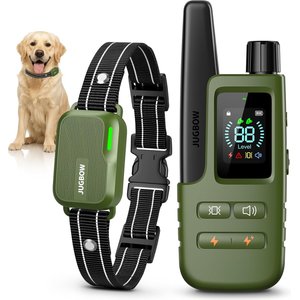
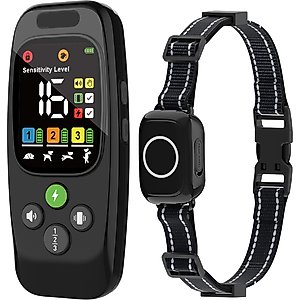
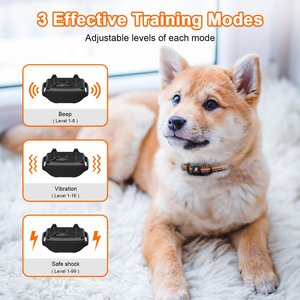
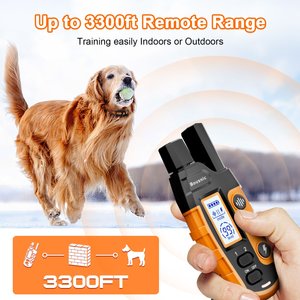
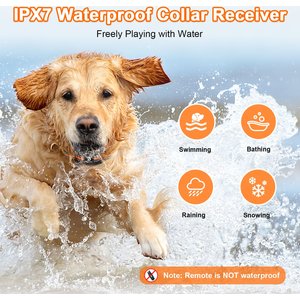
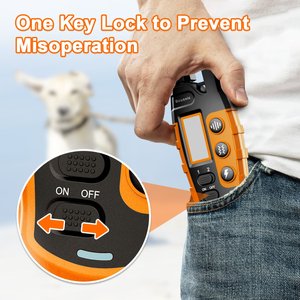
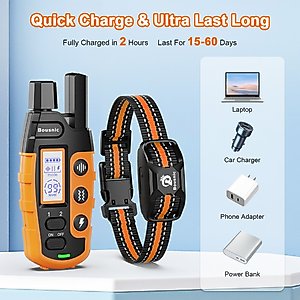
Bousnic Remote Waterproof Dog Training Collar, 3300-ft, Orange, 1 count
$39.99 Chewy Price
Promo, New Customers Only: Spend $49+, get $25 eGift Card
Our ratings
Battery Life
4.4/5
GreatRange
4.5/5
GreatTraining Modes
4.5/5
GreatWaterproof
4.4/5
Great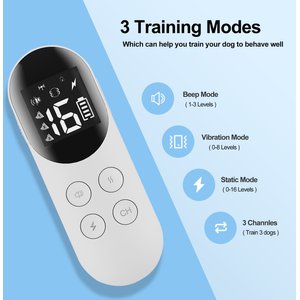
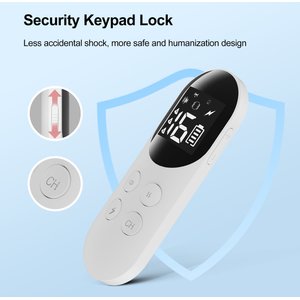
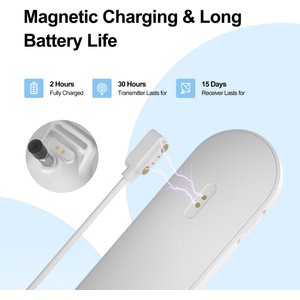

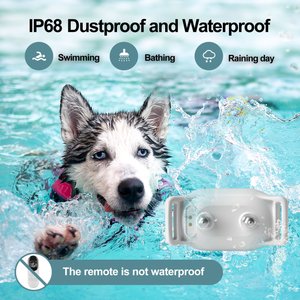
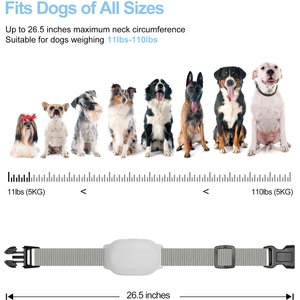
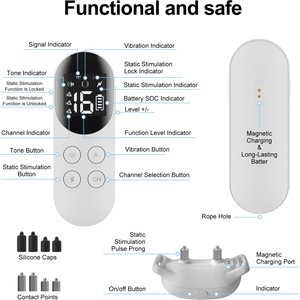
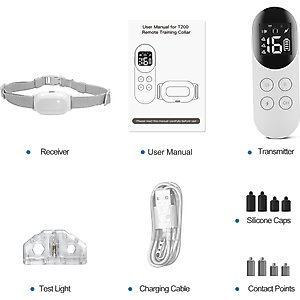
LvLrister Rechargeable & Waterproof Electric Dog Training Collar, White
$44.99 Chewy Price
Promo, New Customers Only: Spend $49+, get $25 eGift Card
Our ratings
Battery Life
4.5/5
GreatRange
4.6/5
ExcellentTraining Modes
4.6/5
ExcellentWaterproof
4.5/5
Great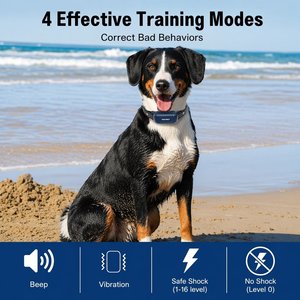
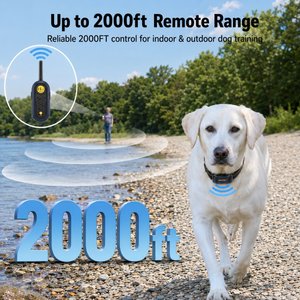

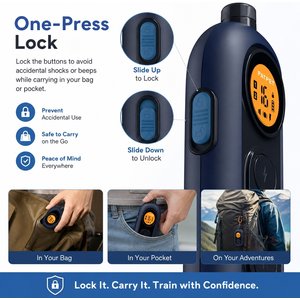
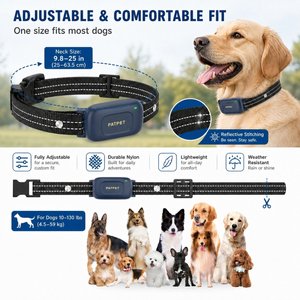
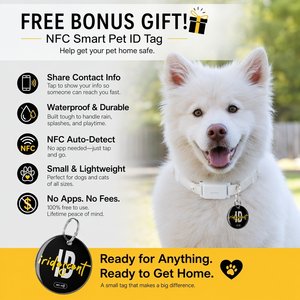
PATPET 2000-ft Waterproof & Adjustable Dog Training Collar, 9.8-25-in, Blue
$32.26 Chewy Price
Promo, New Customers Only: Spend $49+, get $25 eGift Card
Our ratings
Battery Life
4.1/5
GreatRange
4.3/5
GreatTraining Modes
4.3/5
GreatWaterproof
4.0/5
Great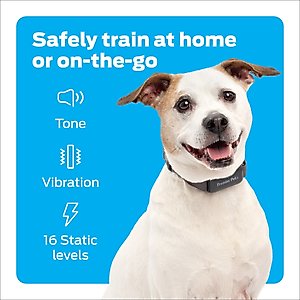

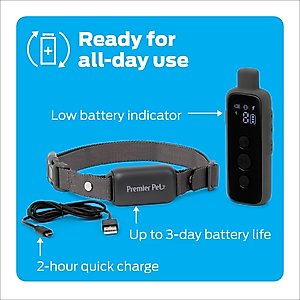


Premier Pet 1000-ft with Rechargeable Battery Dog Remote Training Collar, Gray
$49.97 Chewy Price
Promo, New Customers Only: Spend $49+, get $25 eGift Card
Our ratings
Battery Life
4.6/5
ExcellentRange
4.7/5
ExcellentTraining Modes
4.7/5
ExcellentWaterproof
4.7/5
Excellent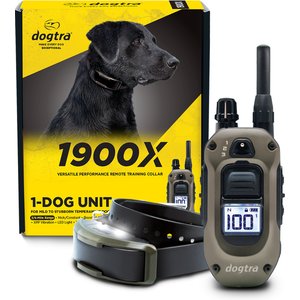
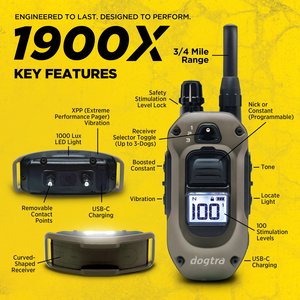
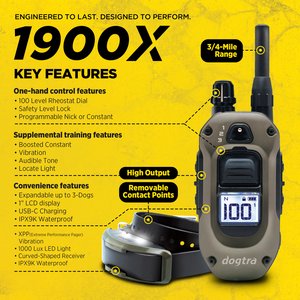
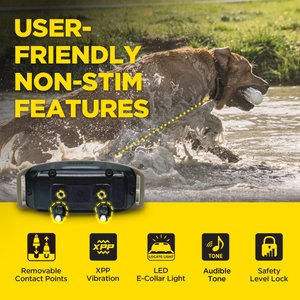


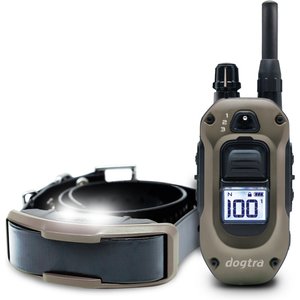
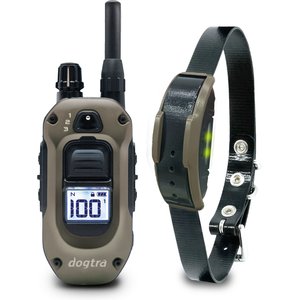
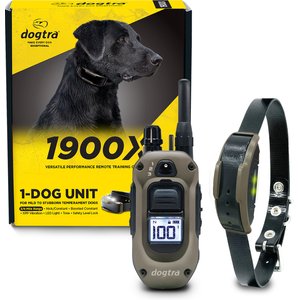
Dogtra 1900X 4000-ft IPX9K Waterproof Vibration & Tone Remote Dog Training Collar, 13 to 20-in neck, Black
$254.99 Chewy Price
Promo, New Customers Only: Spend $49+, get $25 eGift Card
Our ratings
Battery Life
4.6/5
ExcellentRange
4.6/5
ExcellentTraining Modes
4.6/5
ExcellentWaterproof
4.6/5
Excellent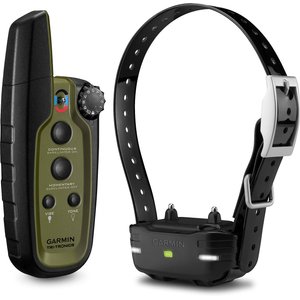
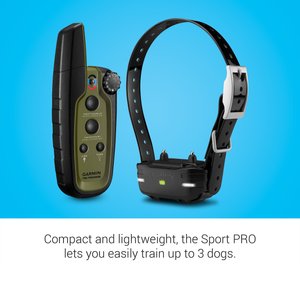
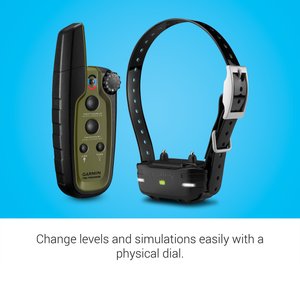
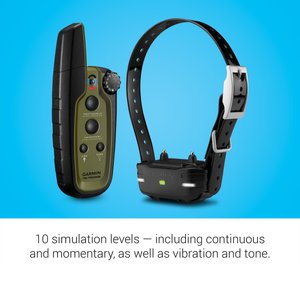
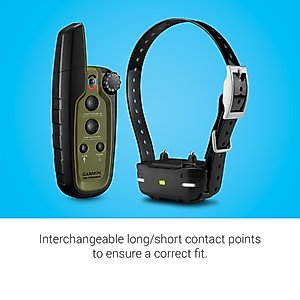
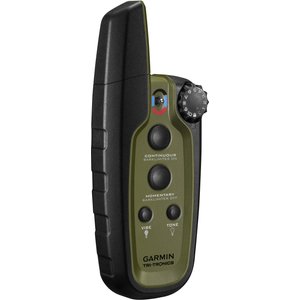
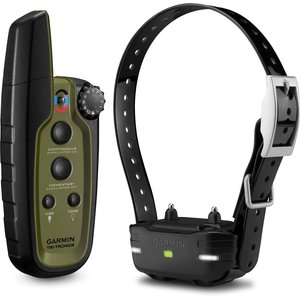
Garmin Sport PRO Training Collar Bundle, Black
$299.99 Chewy Price
Promo, New Customers Only: Spend $49+, get $25 eGift Card
Our ratings
Battery Life
4.4/5
GreatRange
4.4/5
GreatTraining Modes
4.4/5
GreatWaterproof
4.4/5
Great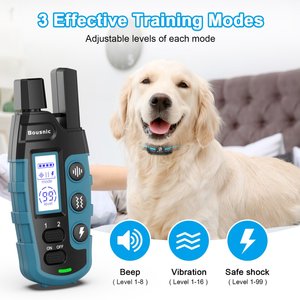
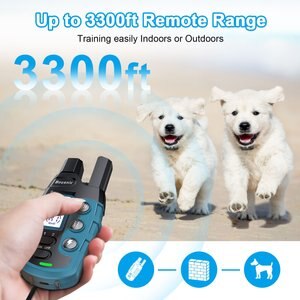
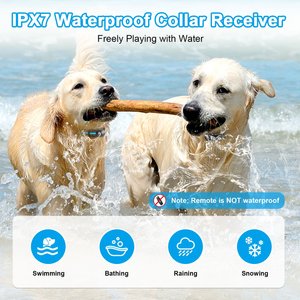
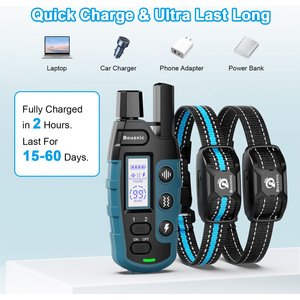
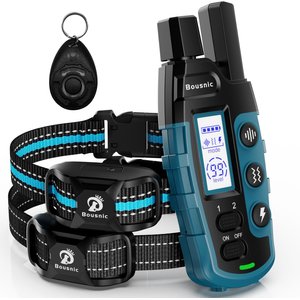
Bousnic Remote Waterproof Dog Training Collar, 3300-ft, Blue, 2 count
$59.99 Chewy Price
Promo, New Customers Only: Spend $49+, get $25 eGift Card
Our ratings
Battery Life
4.4/5
GreatRange
4.6/5
ExcellentTraining Modes
4.6/5
ExcellentWaterproof
4.5/5
Great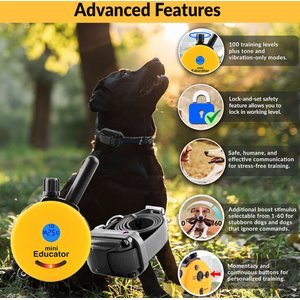
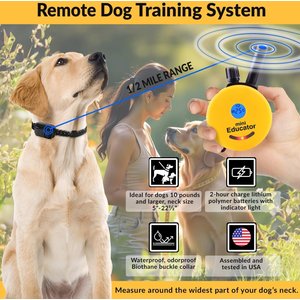
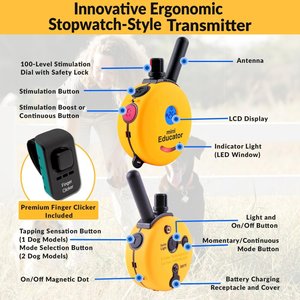
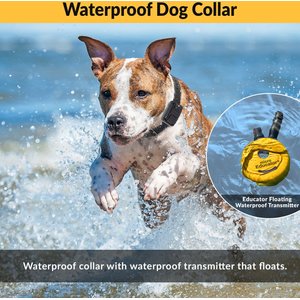
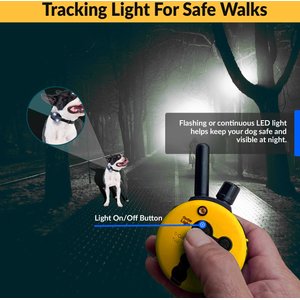
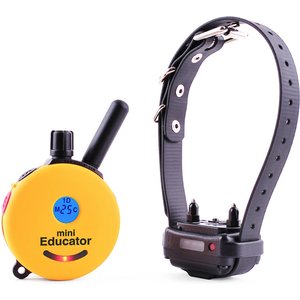
Educator By E-Collar Technologies Mini 1/2 Mile Range Remote Waterproof Dog Training Collar, 1 collar
$199.99 Chewy Price
Promo, New Customers Only: Spend $49+, get $25 eGift Card
Our ratings
Battery Life
4.0/5
GreatRange
4.2/5
GreatTraining Modes
4.5/5
GreatWaterproof
4.1/5
Great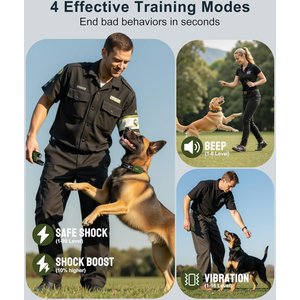
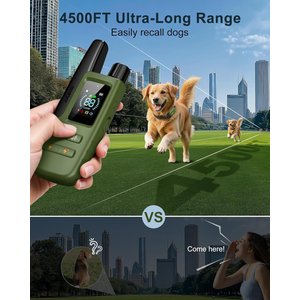
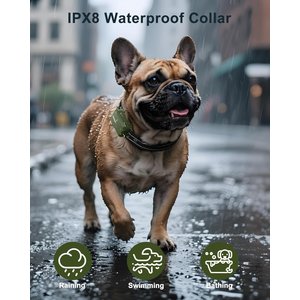
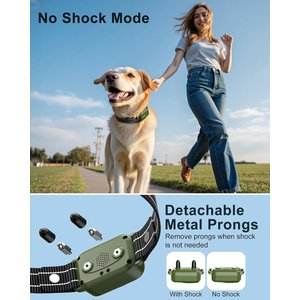
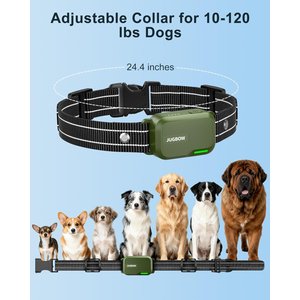
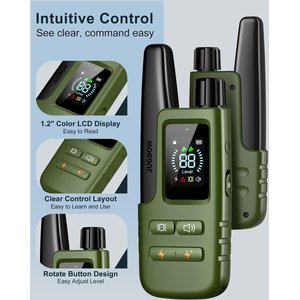

Our ratings
Battery Life
4.7/5
ExcellentRange
4.8/5
ExcellentTraining Modes
4.7/5
ExcellentWaterproof
4.8/5
Excellent
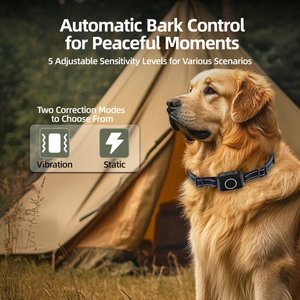



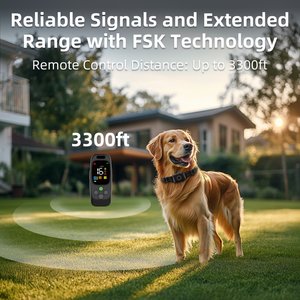


Hoistspark 3-in-1 Remote Dog Training Collar, Black, Medium
$69.90 Chewy Price
Promo, New Customers Only: Spend $49+, get $25 eGift Card
Our ratings
Battery Life
4.6/5
ExcellentRange
4.5/5
GreatTraining Modes
4.7/5
ExcellentWaterproof
4.6/5
Excellent