Sort
Filter

$12.99 Chewy Price
($0.22/ea) Price per Unit
- Contains Live Feed
$18.99 Chewy Price
($0.76/ea) Price per Unit
$18.04 Autoship Price
- Contains Live Feed


$16.37 Chewy Price
($0.02/ea) Price per Unit
$16.99 List Price
$15.55 Autoship Price
- Contains Live Feed

$21.99 Chewy Price
($0.88/ea) Price per Unit
$20.89 Autoship Price
- Contains Live Feed
$19.35 Chewy Price
($0.39/ea) Price per Unit
$19.99 List Price
- Contains Live Feed
$19.99 Chewy Price
($0.08/ea) Price per Unit
- Contains Live Feed

$9.32 Chewy Price
($0.19/ea) Price per Unit
$14.99 List Price
- Contains Live Feed

$15.36 Chewy Price
($0.16/ea) Price per Unit
$16.95 List Price
$14.59 Autoship Price
- Contains Live Feed
$18.14 Chewy Price
($0.19/ea) Price per Unit
$21.59 List Price
$17.23 Autoship Price
- Contains Live Feed
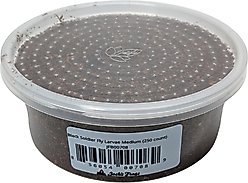
$16.49 Chewy Price
($0.07/ea) Price per Unit
$24.99 List Price
- Contains Live Feed
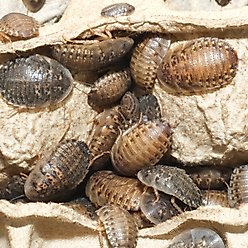
$16.99 Chewy Price
($0.68/ea) Price per Unit
$16.14 Autoship Price
- Contains Live Feed
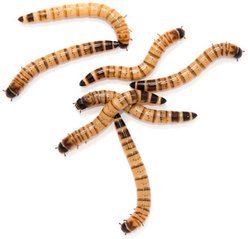
$22.99 Chewy Price
($0.05/ea) Price per Unit
- Contains Live Feed
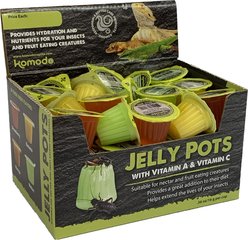
$22.02 Chewy Price
($0.56/ea) Price per Unit
$46.29 List Price
$20.92 Autoship Price
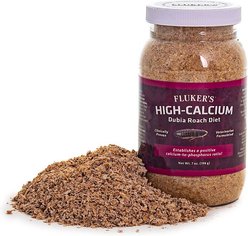
$5.49 Chewy Price
($0.79/oz) Price per Unit
$7.72 List Price
$5.22 Autoship Price
$25.99 Chewy Price
($0.11/ea) Price per Unit
- Contains Live Feed
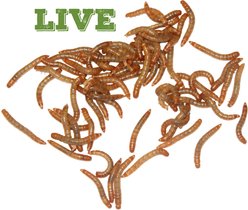
$16.43 Chewy Price
($0.04/ea) Price per Unit
- Contains Live Feed
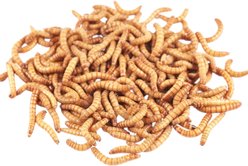
$13.99 Chewy Price
($0.06/ea) Price per Unit
- Contains Live Feed
$12.98 Chewy Price
($2.17/ea) Price per Unit
$17.85 List Price
- Contains Live Feed
$5.99 Chewy Price
($5.00/oz) Price per Unit
$6.99 List Price
$5.69 Autoship Price
$19.99 Chewy Price
($0.20/ea) Price per Unit
$23.99 List Price
$18.99 Autoship Price
- Contains Live Feed
$11.24 Chewy Price
($0.23/ea) Price per Unit
$16.99 List Price
- Contains Live Feed
$12.92 Chewy Price
($0.54/ea) Price per Unit
$12.99 List Price
$12.27 Autoship Price
- Contains Live Feed
$11.99 Chewy Price
($0.12/ea) Price per Unit
$11.39 Autoship Price
- Contains Live Feed
$5.31 Chewy Price
($0.89/ea) Price per Unit
$5.04 Autoship Price
$2.49 Chewy Price
($3.56/oz) Price per Unit
$3.65 List Price
$2.37 Autoship Price
$8.99 Chewy Price
($0.18/ea) Price per Unit
- Contains Live Feed

$38.40 Chewy Price
($0.39/ea) Price per Unit
$36.48 Autoship Price
- Contains Live Feed
$15.00 Chewy Price
($0.03/ea) Price per Unit
$14.25 Autoship Price
- Contains Live Feed
$6.23 Chewy Price
($5.20/oz) Price per Unit
$13.17 List Price
$5.92 Autoship Price
$5.99 Chewy Price
($5.00/oz) Price per Unit
$6.99 List Price
$5.69 Autoship Price
$16.70 Chewy Price
($0.02/ea) Price per Unit
$16.99 List Price
$15.86 Autoship Price
- Contains Live Feed

$26.99 Chewy Price
($0.85/oz) Price per Unit
- Contains Live Feed
$33.89 Chewy Price
($0.04/ea) Price per Unit
$49.99 List Price
$32.20 Autoship Price
- Contains Live Feed
$24.99 Chewy Price
($0.05/ea) Price per Unit
- Contains Live Feed
$36.00 Chewy Price
($0.04/ea) Price per Unit
$42.36 List Price
- Contains Live Feed
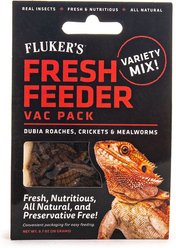
$2.99 Chewy Price
($4.28/oz) Price per Unit
$4.38 List Price
$2.84 Autoship Price
Chameleon Food
A varied, nutritious diet is key to a chameleon's health and well-being. Chameleons thrive on a diet of live insects, which provide essential protein and nutrients. Offering chameleon food that is a mix of gut-loaded, appropriately sized insects helps meet their nutritional needs and keeps them active. Popular Chameleon Food Options:
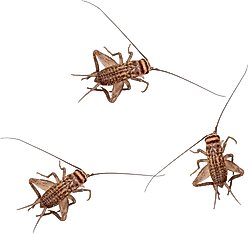
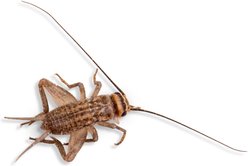
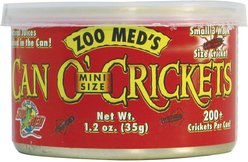
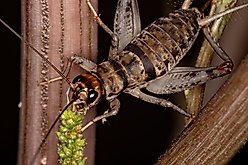
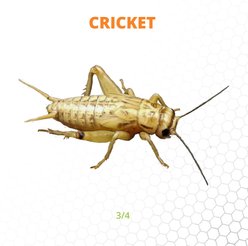
- Crickets: A staple in many chameleons' diets, rich in protein
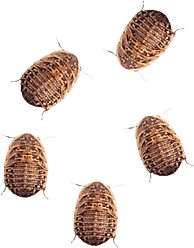
- Dubia Roaches: Nutritious and easy to digest
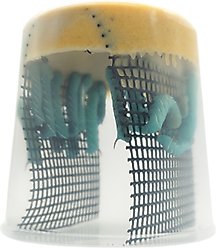
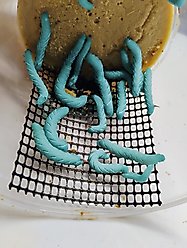
- Silkworms: High in calcium and moisture
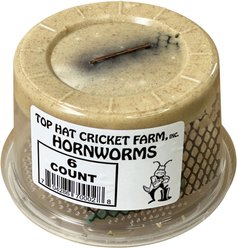
- Hornworms: Excellent for hydration due to their high moisture content
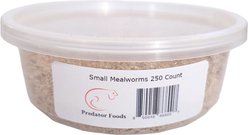
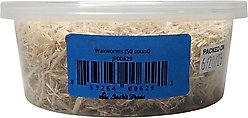
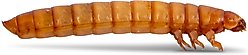
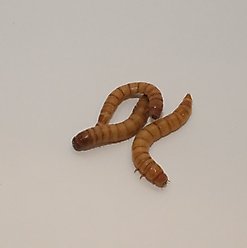
- Mealworms and Waxworms: Best offered as occasional treats due to their higher fat content
Rotating different feeder insects helps ensure balanced nutrition and keeps feeding time stimulating. Always gut-load feeder insects with nutritious greens and vegetables to boost their nutritional value. Many chameleons also require calcium and vitamin D3 supplements to support bone health.
Frequently Asked Questions about Chameleon Food
What do chameleons eat?
Chameleons are primarily insectivores, feasting on a variety of live insects such as crickets, dubia roaches, silkworms, and hornworms. Some species, like veiled chameleons, may occasionally eat plant matter, but a diet rich in gut-loaded insects is key to their health.
How often should I feed my chameleon?
Most juvenile chameleons should eat once or twice daily, while adults typically eat every other day. However, feeding frequency may vary based on species, activity level, and body condition.
How much do chameleons eat a day?
Juveniles typically eat around 10 to 20 appropriately sized insects per day. Adults usually consume about a dozen large insects every other day. Superworms, which are higher in fat, should be fed in moderation.
Do chameleons only eat live food?
Yes, chameleons rely on live, moving prey to trigger their natural hunting instincts. While some may occasionally nibble on plant matter, live insects should make up the majority of their diet.
Save 5% on repeat deliveries
Brand
7 Brands are shown below